Meaning
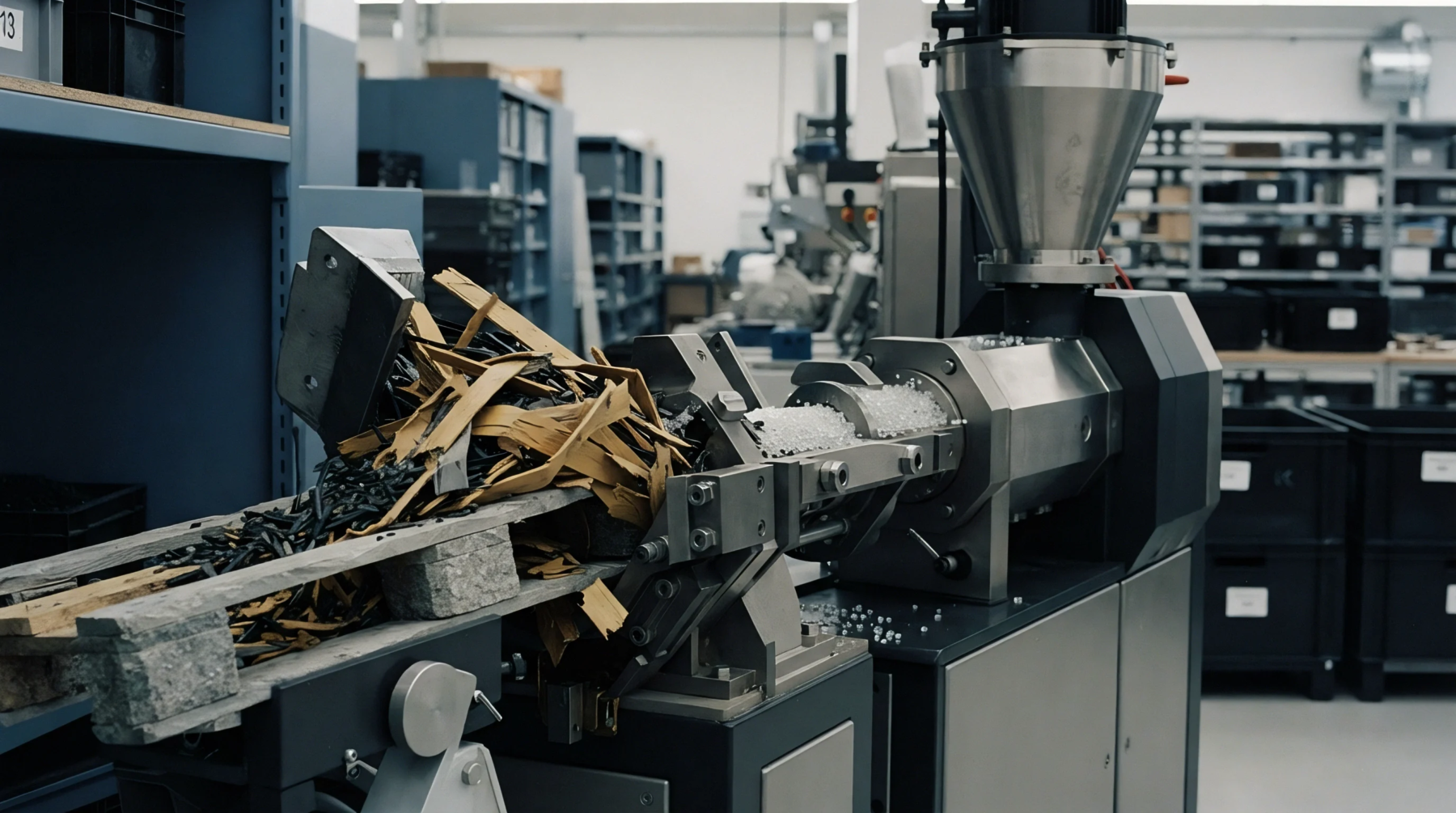
Post-consumer resin reprocessed from beverage bottles offers an alternative feedstock to virgin polyester for packaging applications. This material, abbreviated as rpet, is used in the manufacture of new beverage bottles, sheet extrusion, and strapping tape. It governs the carbon footprint of packaging and is dependent on effective collection and washing infrastructure.
The material must be free of contaminants to prevent degradation during subsequent processing cycles.
Material Sourcing
Sourcing clean bottles is critical to obtaining high-purity recycled flakes. The sorting step removes non-PET caps, labels, and adhesives that would otherwise contaminate the rpet stream. Washing and sorting technologies ensure that the final flake is suitable for extrusion and subsequent food-contact applications.
Viscosity Management
Moisture causes rapid hydrolytic degradation of polyester during extrusion, which reduces the molecular weight. To maintain the melt viscosity of rpet, the resin must be dried to very low moisture levels before processing. Solid-state polymerization can be used to increase the intrinsic viscosity of the recycled resin if it has degraded.
Color Quality
Repeated thermal cycles and impurities cause a yellowing or graying of the recycled material. Molders use color sorting and blue toners to counteract this discoloration and maintain the appearance of the molded bottles. Controlling this color shift is critical for premium brand packaging.