Meaning
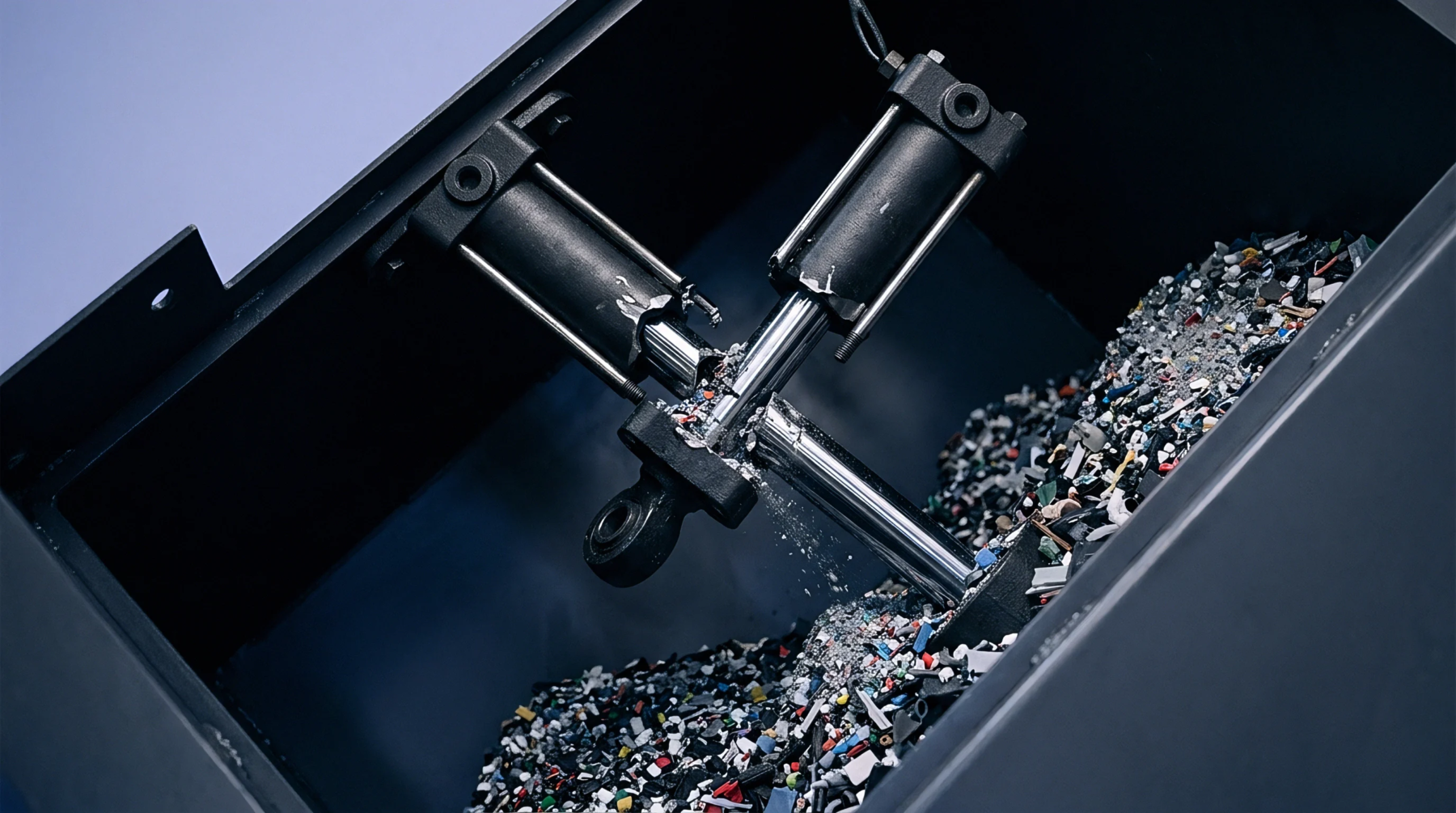
Purity metrics and physical properties that define shredded post-consumer polyethylene terephthalate material determine suitability for reprocessing into high-value applications. Bottle-to-bottle recycling relies on rPET flake quality to maintain structural integrity and optical clarity in extruded sheets and injected preforms. Contaminants such as polyvinyl chloride residues, adhesives, polyolefins and metals degrade melt stability and discolour finished products.
Datasheet specifications for recycled flake establish strict thresholds for moisture, intrinsic viscosity, particle size distribution and color values.
Contamination Profile
Residual non-PET materials introduce severe processing defects and chemical contamination during thermal re-melting. Polyvinyl chloride flakes decompose at PET processing temperatures, releasing hydrochloric acid that degrades molecular weight and turns the melt yellow or brown. Adhesives from bottle labels char inside the barrel, generating black specks that appear as visual defects in preforms or films.
Non-melting polyolefin cap material forms inclusions that weaken tensile strength and cause pinholes in thin packaging. Automated optical sorting, washing and metal detection reduce non-PET contaminants to acceptable parts-per-million levels.
Viscosity Retention
Intrinsic viscosity measures the polymer chain length and molecular weight of recycled flake streams. Water absorbed by stored flake causes rapid hydrolytic scission during melt processing, driving down intrinsic viscosity and compromising mechanical strength. Solid-state polymerization increases intrinsic viscosity by reheating flake under vacuum, re-joining broken polymer chains before extrusion.
Moulders blend recycled flake with virgin PET resin to maintain target viscosity levels across production runs. Inconsistent flake viscosity causes pressure fluctuations in injection barrels, resulting in part weight variations and wall thickness instability.
Processing Impact
Variations in flake size, bulk density and moisture content disrupt feeding behavior inside extruder hoppers. Non-uniform flake geometry causes bridging in feed throats, resulting in screw starving and melt temperature spikes. Higher melt filtration requirements increase back pressure and necessitate frequent screen pack changes.
Maintaining high flake purity standards minimizes machine downtime and stabilizes melt processing parameters.