Meaning
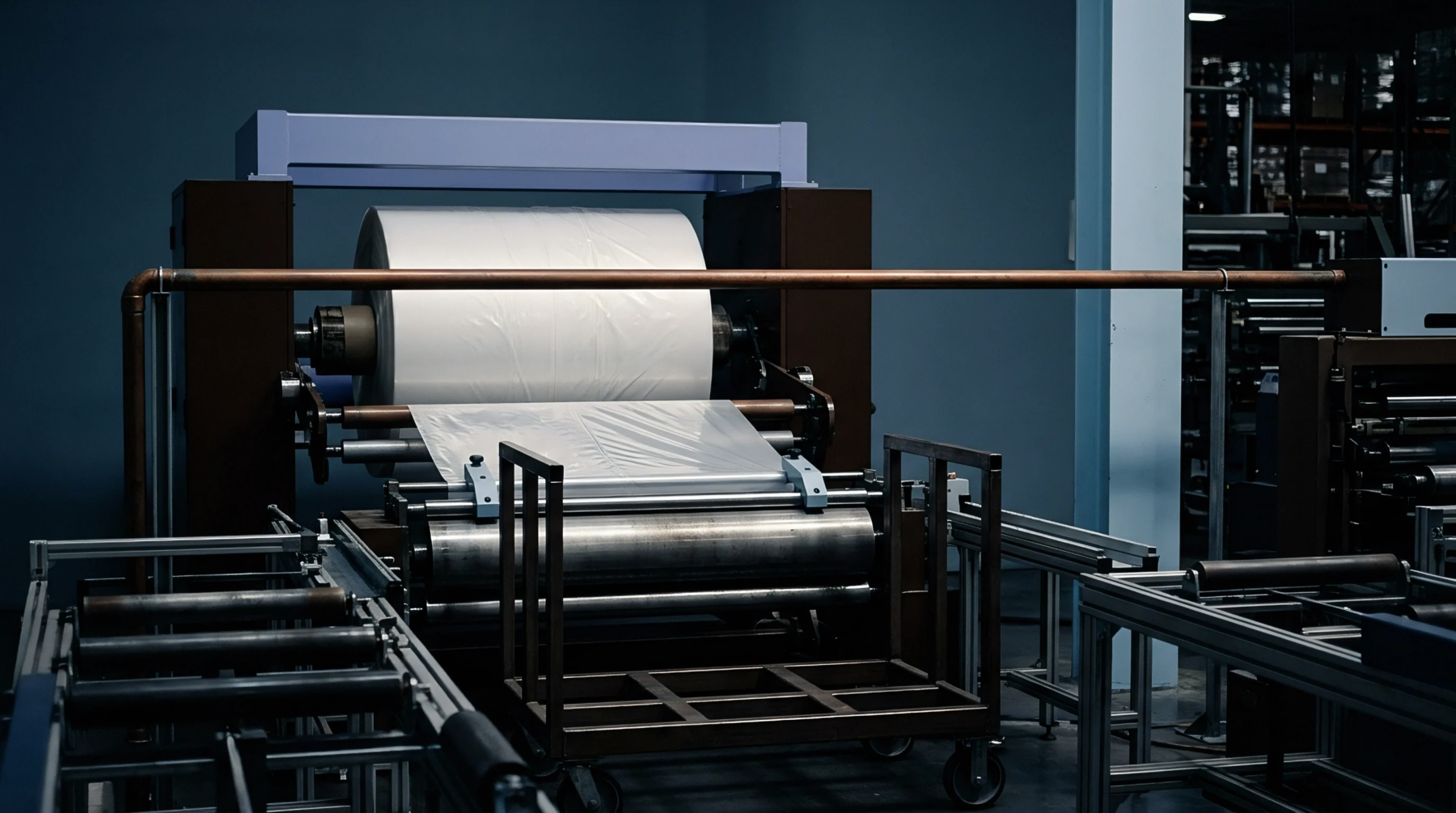
Manufacturing process used to create continuous lengths of unplasticized polyvinyl chloride with a specific cross-sectional shape. This technique is widely employed for producing construction components like window frames, cladding and electrical conduit. Rigid PVC profile extrusion requires a precisely controlled thermal profile because the resin is highly sensitive to heat and mechanical shear.
Compound Formulation
Blending of the raw resin with stabilizers, lubricants and impact modifiers is the first step in the process. This specific mix determines the weatherability and toughness of the final rigid PVC profile extrusion product. Lead-free stabilizers are now the industry standard in most regions to meet environmental regulations.
Tooling Design
Flow through the die must be balanced so that the melt reaches all parts of the complex shape at the same time. Because rigid PVC profile extrusion involves a high-viscosity melt, the die must be engineered to minimize dead zones where the material could stagnate and burn. Calibration units then pull the hot profile into its final dimensions using vacuum and water cooling.
Market Application
Durability and low maintenance costs make these products a preferred choice for external building elements. The rigid PVC profile extrusion process allows for the creation of intricate internal chambers that provide thermal insulation and structural stiffness. High-volume production lines can run for weeks at a time when the material and process are properly matched.