Meaning
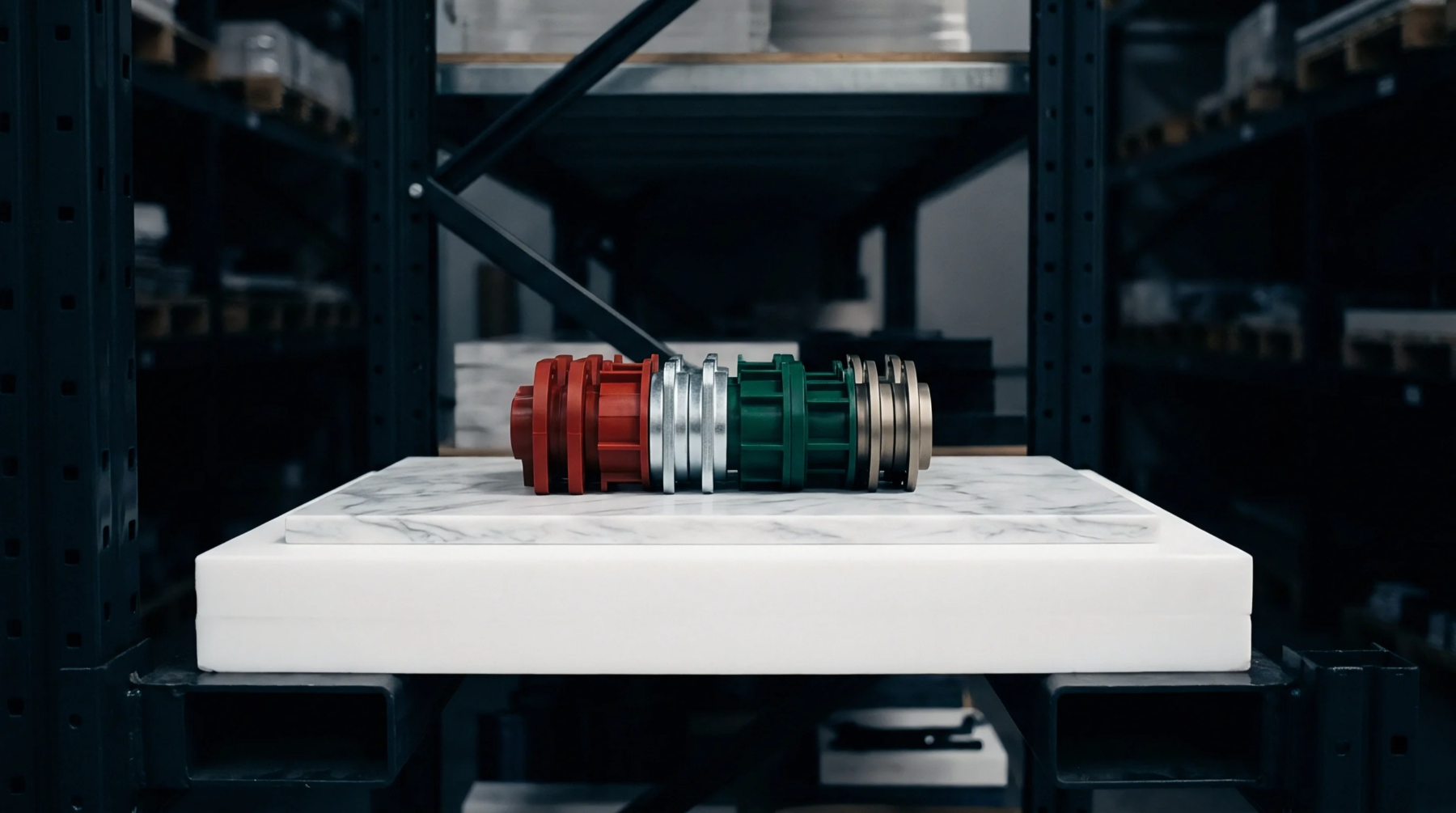
Modular mold components fit into pockets machined within primary mold steel plates to allow rapid replacement of high-wear or customizable cavity sections. Tooling engineers specify a replaceable pocket insert to produce part variants or localized wear resistance without constructing a new mold base. The component operates within injection molding and compression molding tooling, ending where structural mold frame connections begin.
Tooling Architecture
Precision machining secures modular insert blocks within hardened steel pocket recesses using bolts or wedge clamps. Installing a replaceable pocket insert allows molders to interchange logo plates or thread formers while keeping the main mold base in the press. Tight fit tolerances of micro-level clearance prevent polymer melt from flashing into pocket boundary seams during high-pressure injection.
Damaged gate areas or vented insert surfaces can be removed and repaired offline without stopping production on remaining cavity positions.
Operational Efficiency
Tooling maintenance costs drop significantly when high-wear mold areas are localized to small insert blocks. Utilizing a replaceable pocket insert reduces tooling downtime, as spare inserts can be pre-machined and installed immediately when wear occurs. Molders run multiple product options on a single mold base by changing inserts between production batches.
Thermal Control
Cooling channels within modular inserts must align precisely with main mold plate water passages to maintain uniform thermal distribution. Disruption of cooling near a replaceable pocket insert creates localized hot spots, leading to part warpage. Seals around water transfer interfaces prevent coolant leakage into cavity pockets.