Meaning
Rapid thermal reduction processes involve the fast cooling of a hot polymer melt to bypass the crystallization window. Applying quench cooling yields a highly amorphous structure in semi-crystalline polymers, which maximizes optical clarity and impact toughness. This method is frequently used in the production of cast films and thin-walled extruded profiles.
Structure Control
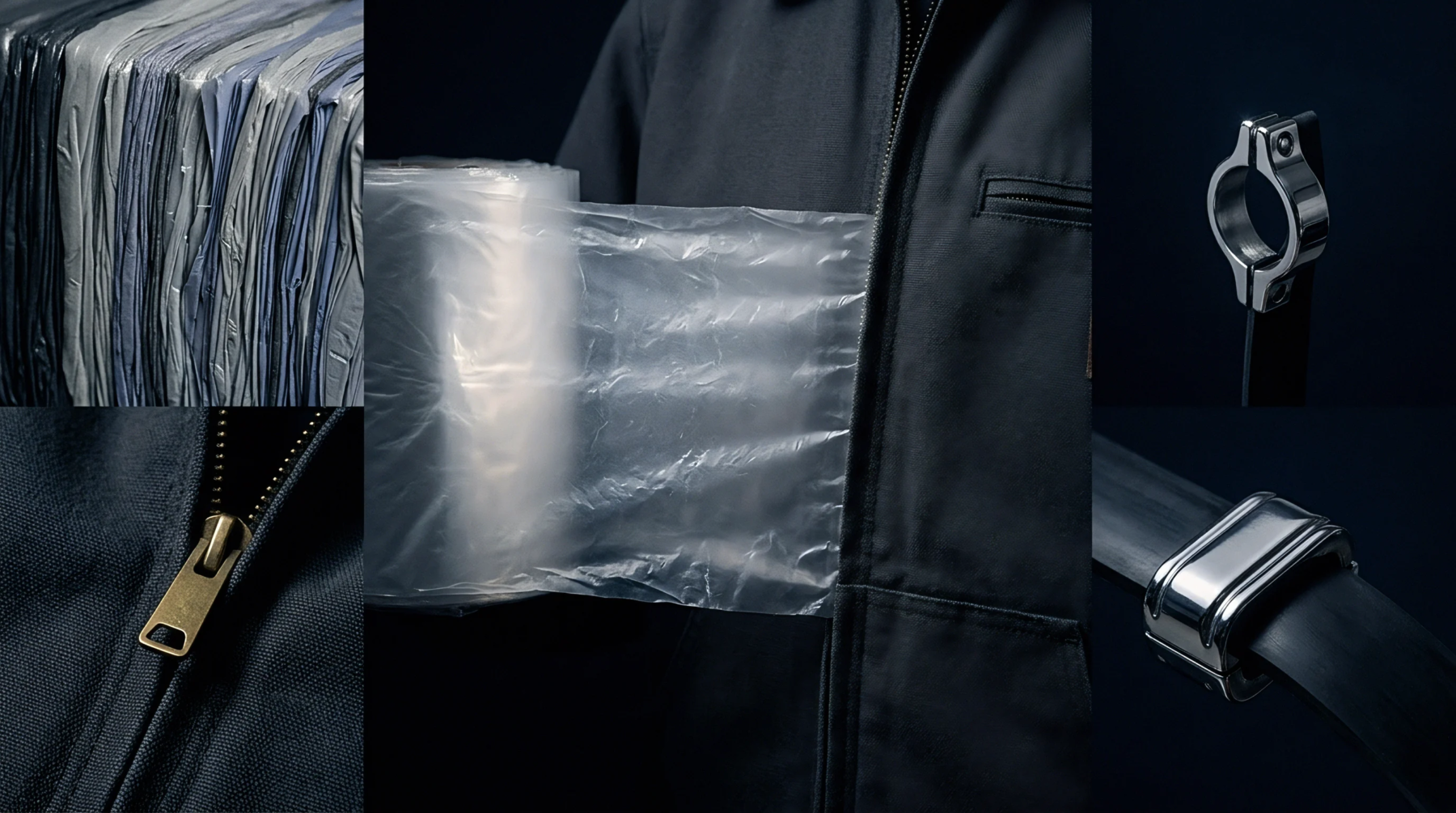
Preventing the formation of spherulitic crystalline structures requires the polymer to be cooled through its transition zone almost instantaneously. This rapid temperature drop freezes the disorganized molecular chains of the melt into a solid state. The resulting polymer film exhibits high flexibility and transparency, which are desirable properties for packaging applications.
Process Methods
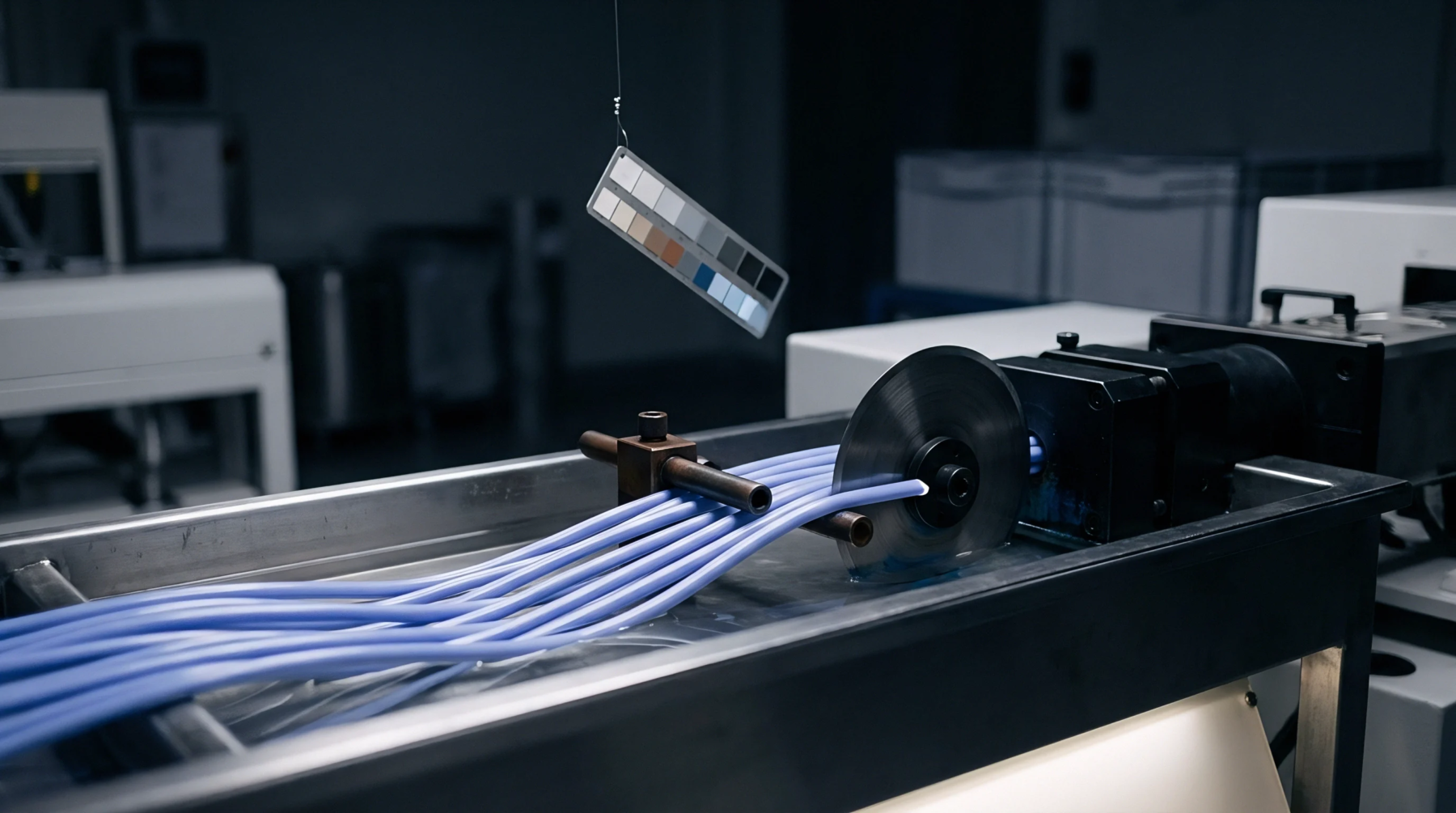
Industrial extrusion lines achieve this rapid cooling by running the extruded sheet directly onto a highly polished, water-cooled chill roll or through a specialized liquid water bath. The temperature and flow rate of the cooling medium must be carefully controlled to ensure uniform heat transfer across the entire web width. Minor variations in the cooling rate across the sheet create localized crystallization zones, which cause gauge variation and winding issues.
Economic Consequence
Slower line speeds are often required for thicker sections to ensure the core of the profile cools quickly enough. If the quench cooling is insufficient, the interior of the part develops high crystallinity, which leads to internal voids and warpage. This limitation balances the desire for high production rates against the physical performance requirements of the part.