Meaning
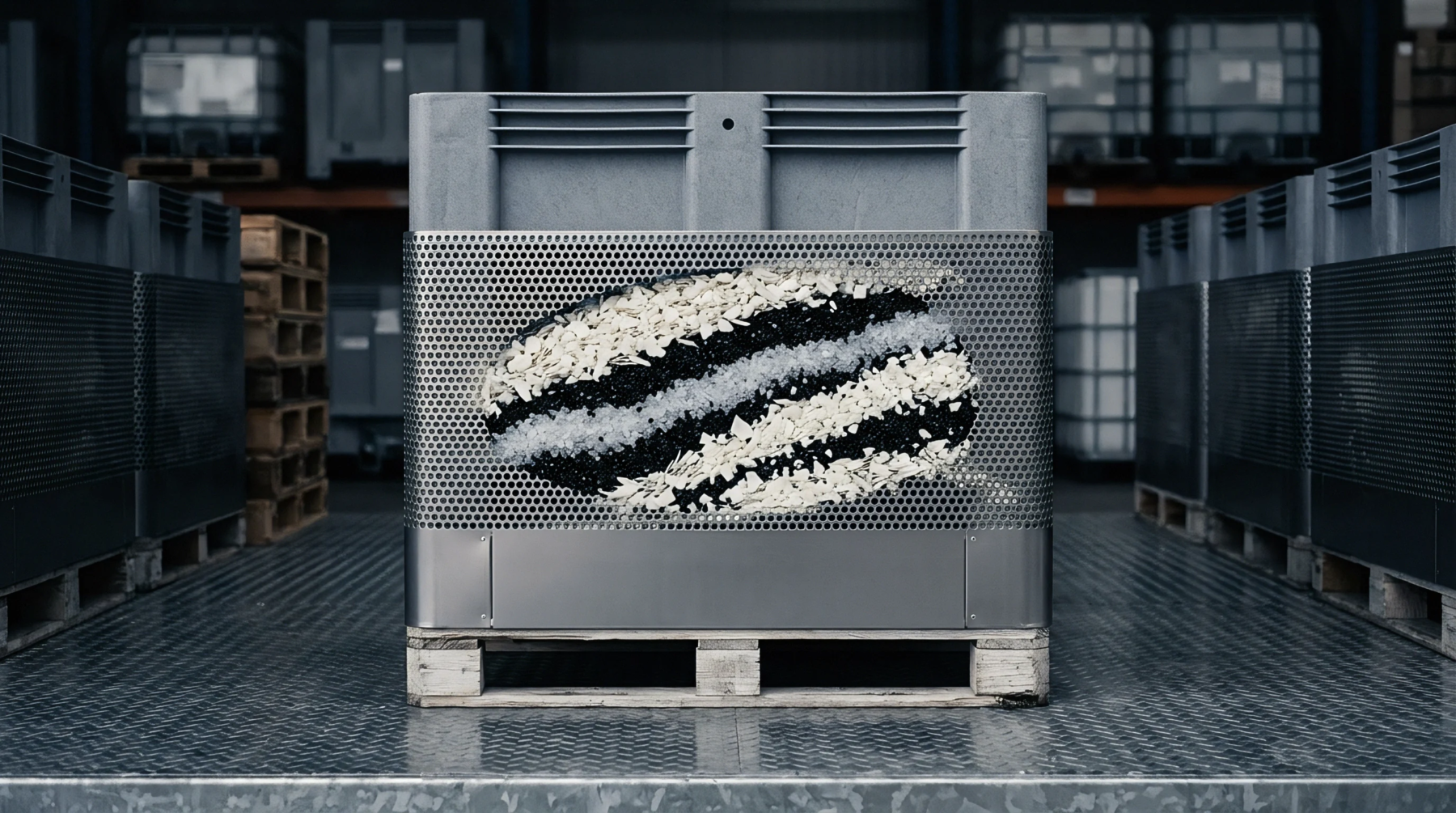
Testing and verification protocol monitors chemical purity, rheological properties, mechanical performance and contamination levels in recovered polypropylene and polyethylene streams. In circular polymer manufacturing, polyolefin recycling quality control validates that post-consumer and post-industrial resin lots meet processing specifications for injection moulding, blow moulding and film extrusion. The protocol assesses melt flow rate, density, volatile organic content and polymeric cross-contamination.
Its regulatory scope separates general industrial applications from direct food-contact packaging approvals.
Rheological Testing
Melt flow rate testing identifies batch-to-batch viscosity variations caused by polymer degradation and polymer blending. Multiple reprocessing cycles cause chain scission in polypropylene, increasing its melt flow rate, while high-density polyethylene often undergoes cross-linking that lowers flow rates. Differential scanning calorimetry measures melting peaks to quantify contamination from incompatible polymers, such as traces of polyethylene inside a polypropylene stream.
Processors reject or re-blend lots that fall outside defined rheological processing windows.
Purity Verification
Spectroscopic and chromatographic methods detect residual non-polyolefin contaminants, volatile compounds and particulate matter. Fourier-transform infrared spectroscopy determines the presence of unwanted polyamides, polyesters or ethylene-vinyl acetate resins that cause delamination during moulding. Thermogravimetric analysis measures inorganic ash content, quantifying residual calcium carbonate, talc fillers and pigment loads.
Automated optical sorters and melt filtration screens prevent particulate contamination from clogging hot runner nozzles.
Mechanical Specification
Tensile, flexural and notched Izod impact testing confirm that recycled compounds deliver required structural performance. Virgin polyolefins deliver predictable impact resistance, whereas post-consumer lots exhibit reduced toughness due to molecular degradation and rubber phase deterioration. Compounding recyclers add virgin polymer, virgin elastomers or antioxidant packages to restore baseline mechanical properties.
Procurement contracts specify rigid tolerance bands for density, melt index and impact strength to guarantee consistent moulding performance across long production runs.