Meaning
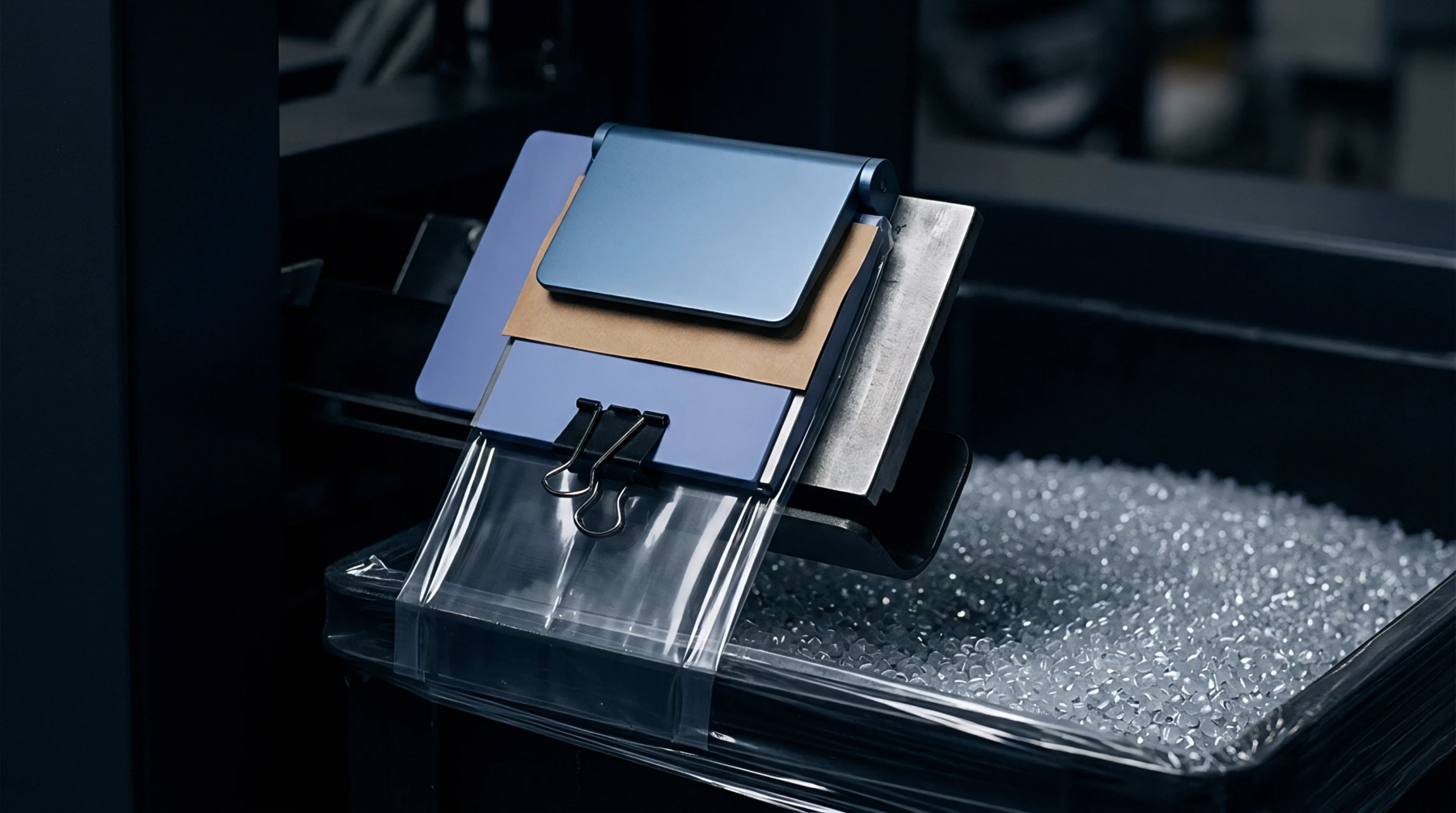
Biocompatible linear polyesters produced by bacterial fermentation of sugar or lipids represent a highly crystalline class of bioplastics. Despite its high melting point and stiffness, unprocessed P3HB suffers from high brittleness and a narrow processing window due to thermal degradation. This polymer, officially known as poly(3-hydroxybutyrate), is fully biodegradable in soil and marine environments.
It offers an alternative to petro-chemical plastics for single-use packaging and medical sutures.
Thermal Behavior
Crystalline domains within the polymer matrix give the material high rigidity but also make it brittle at room temperature. The melting temperature of P3HB is close to 180 degrees Celsius, which is very close to its degradation temperature. This proximity leaves a narrow temperature band for melt processing, meaning that even a small overheat can cause rapid thermal decomposition.
During cooling, the material crystallizes slowly, forming large spherulites that initiate microcracks under physical stress.
Processing Challenge
Melt processing of this polymer requires precise temperature control to avoid the loss of molecular weight that occurs through thermal degradation. If the molten resin remains in the barrel of the injection molding machine for too long, the chains break down, causing the melt viscosity to drop and leading to flashing or drooling at the nozzle. The slow crystallization rate also extends the cycle time because the parts remain too soft to eject without warping.
This behavior increases the cost of manufacturing and limits the use of unmodified resin in high-speed extrusion or molding operations.
Modification Method
Copolymerization and the addition of plasticizers or nucleating agents are used to overcome these material limitations. Blending the resin with other biodegradable polymers reduces the overall crystallinity and improves the impact strength of the molded part.