Meaning
Linear low-density polyethylene extrusions provide superior tensile strength, puncture resistance, and elongation characteristics compared to conventional branched polyethylenes. Polymerization using transition metal catalysts yields linear ethylene backbones decorated with short, uniform alpha-olefin branches such as butene, hexene, or octene. This molecular architecture suppresses dense crystalline packing without creating the long-chain branching typical of high-pressure low-density polyethylene.
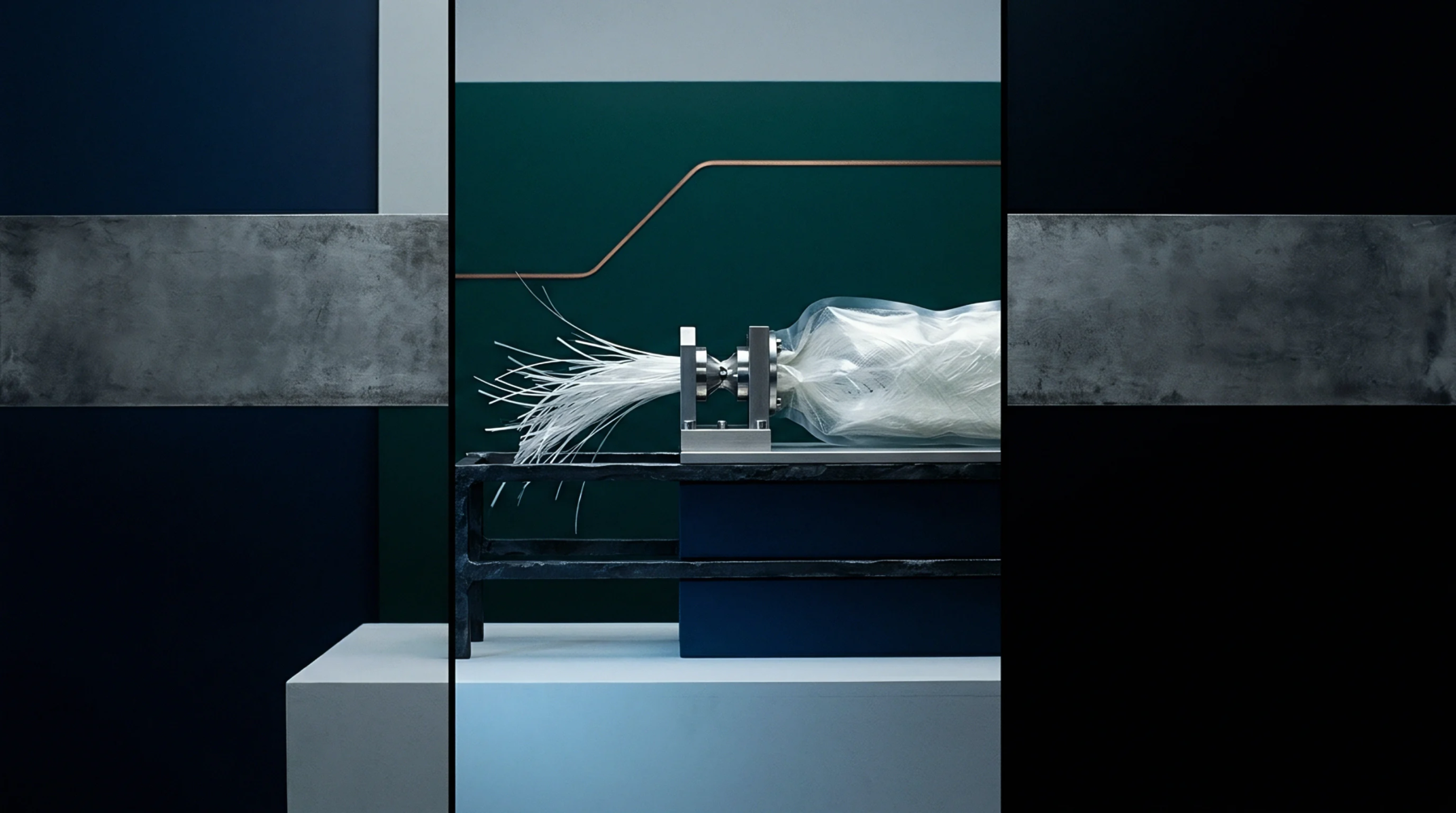
The resulting lldpe film combines high elongation before break with exceptional tear resistance across both machine and transverse directions. Pure grades exhibit high shear viscosity and low extensional viscosity in the melt, requiring rugged extrusion machinery and specialized die configurations.
Extrusion Dynamics
Melt processing properties stem from narrow molecular weight distributions and absent long-chain branches. Polymer melts exhibit minimal shear thinning inside the extruder screw, increasing motor torque and head pressure during blown film production. Extrusion lines run wider die gaps, typically between two and three millimeters, to alleviate high melt fracture risks and avoid interfacial instability known as sharkskin.
Dual-lip air rings and internal bubble cooling systems control bubble stability under high line speeds. Blending small fractions of low-density polyethylene into the formulation improves melt strength without degrading primary mechanical properties.
Mechanical Performance
Tensile yield, puncture propagation, and seal integrity govern conversion performance across commercial converting lines. Octene-based and metallocene-catalyzed resins yield superior puncture toughness and dart drop impact performance relative to commodity butene-based grades. Strong hot tack strength allows automated packaging lines to seal through contaminants and maintain pouch integrity under rapid filling speeds.
Optical clarity and haze levels depend on crystallization rates and alpha-olefin comonomer distribution along the polymer backbone. Puncture failures during wrapping indicate improper resin selection or excessive transverse direction orientation during blown film bubble expansion.
Economic Optimization
Down-gauging strategies reduce total material mass per package while preserving structural performance. Replacing thick conventional polyethylenes with high-performance linear grades lowers material expenditure across flexible packaging, pallet stretch films, and agricultural covers. Recycled resin incorporation increases melt elasticity variation, narrowing the stable processing window on high-speed blown film lines.
Regrind levels above twenty percent require screw torque adjustments and melt temperature management to avert bubble instability. Structural integrity under puncture stresses determines the commercial viability of down-gauged lldpe film.