Meaning
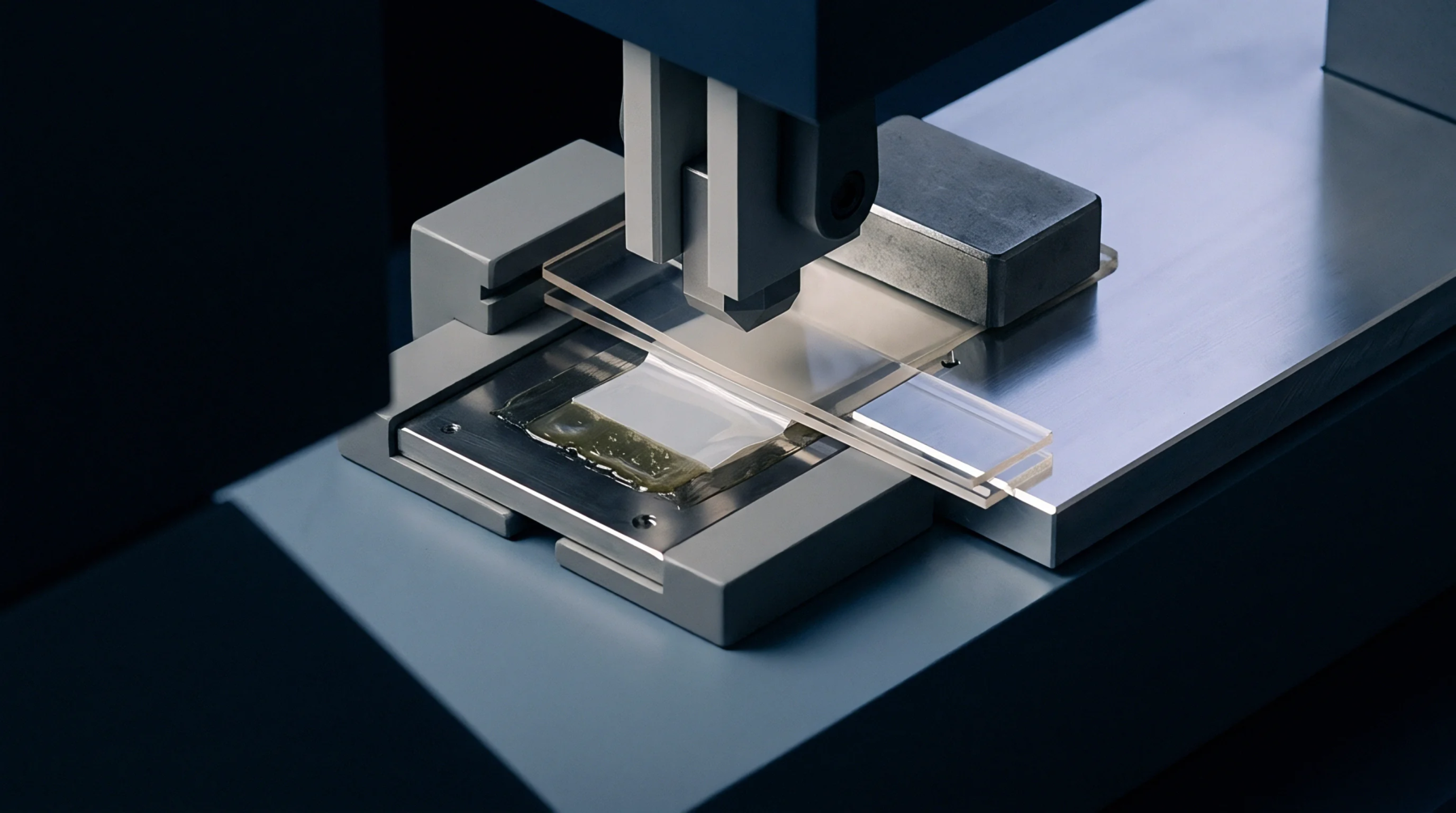
Frictional resistance between a solidified plastic part and the metal mold surfaces opposes the action of the ejection system during demolding. Overcoming this kinetic drag force requires a well-designed ejection system to avoid damaging the finished parts. This resistance arises as the polymer shrinks onto the mold cores, creating a tight mechanical grip.
Friction Level
Material shrinkage and surface finish directly influence the amount of resistance encountered during the ejection phase. When the kinetic drag force is too high, ejector pins can push through the part or cause severe stress marks on the plastic. Moulders must balance the mold temperature and cooling time to minimize this grip.
Mold Treatment
Applying specialized surface treatments to the tool steel reduces the friction coefficient. These coatings decrease the kinetic drag force by providing a smoother interface for deep ribs or zero-draft walls.
Ejection Pressure
High pressure ejector systems must be engineered with sufficient force to overcome this drag without causing mechanical wear on the tool. If the kinetic drag force exceeds the mechanical limits of the ejector assembly, the pins may bend or wear prematurely. Regular maintenance of the ejector pins and slides ensures consistent performance across millions of cycles.
Operators can monitor the hydraulic pressure on the ejection stroke to detect rising drag.