Meaning
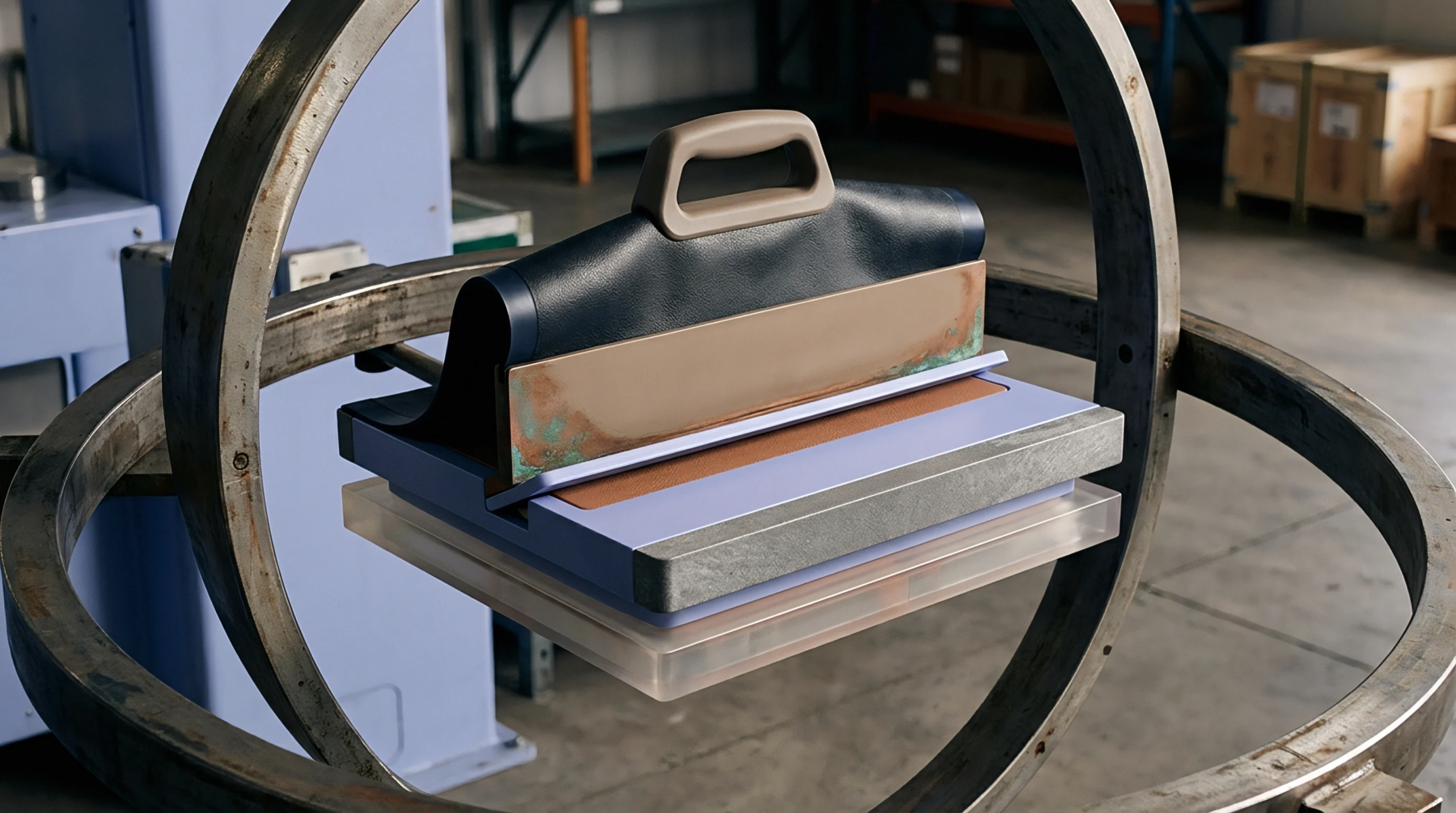
International testing protocols specify the method for determining the starting and sliding friction of plastic film and sheeting. Compliance with iso 8295 ensures that manufacturers and buyers use a consistent sled weight, speed and surface contact area when evaluating material performance. The standard defines the equipment requirements, including the flat bed and the force-measuring device.
It is primarily used for non-adhesive films that are meant to glide through packaging machinery. This consistency allows for the comparison of resins and slip agent packages across different suppliers and regions.
Test Procedure
Preparation involves cutting specific samples and securing them to both the horizontal test bed and the weighted sled. The sled is then pulled across the bed at a constant speed of one hundred millimeters per minute. A load cell tracks the resistance force throughout the duration of the test.
Two distinct values are extracted from the resulting data, the initial peak and the average force during steady motion.
Static Friction
Initial resistance represents the force needed to break the bond between two stationary surfaces. This value is often higher than the sliding friction and is a critical factor in machine startup and intermittent motion. If the static friction is too high, the film may jerk or snap when the packaging line begins to move.
The standard provides a clear method for identifying this peak value on the force-displacement curve.
Result Interpretation
Data output is expressed as a dimensionless coefficient calculated by dividing the friction force by the normal force of the sled. A report following this standard must include the thickness of the film and any specific conditioning the sample underwent. Variations in room temperature or humidity can lead to different results, so these variables are strictly controlled.
This transparency allows a processor to confirm that a material meets the technical datasheet requirements.