Meaning
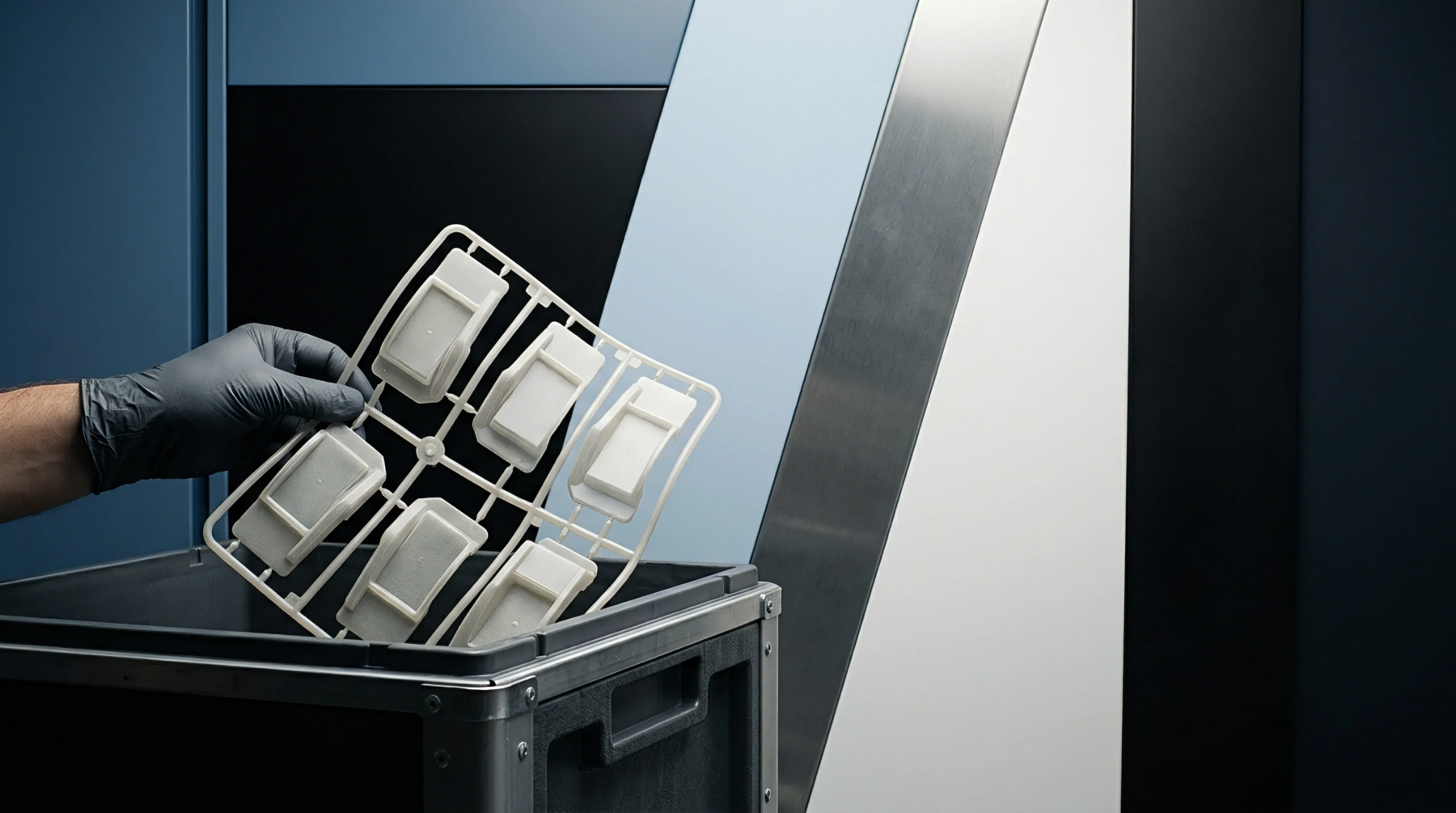
Cross-sectional geometry in a delivery system influences the efficiency of melt flow by defining the ratio of the flow area to the wetted perimeter. Hydraulic radius runner profile refers to the specific shape of the channels that transport molten plastic from the sprue to the gates in an injection mould. A full round profile provides the highest hydraulic radius because it offers the least surface area for heat loss relative to the volume of the flow.
This design ensures that the polymer stays hot and flows with minimal pressure drop.
Flow Efficiency
Resistance to flow increases as the surface area of the runner walls grows larger compared to the central melt stream. A full round runner minimizes this resistance and allows for lower injection pressures. Modified trapezoidal shapes offer a compromise that simplifies the machining of the mould plates while maintaining acceptable thermal performance.
Rectangular profiles are generally avoided because they create stagnant zones and lose heat rapidly.
The Insulated Core
Melt remains larger in profiles that maximize the hydraulic radius. This insulation prevents premature freezing of the polymer during the packing phase. Cold slugs are less likely to form in a system with a well-optimized hydraulic radius runner profile.
Consistent temperature throughout the runner system translates to more uniform part weights.
Machining Cost
Simplified geometry reduces the time required for mill cutters to form the runner channels in the steel or aluminium mould base.