Meaning
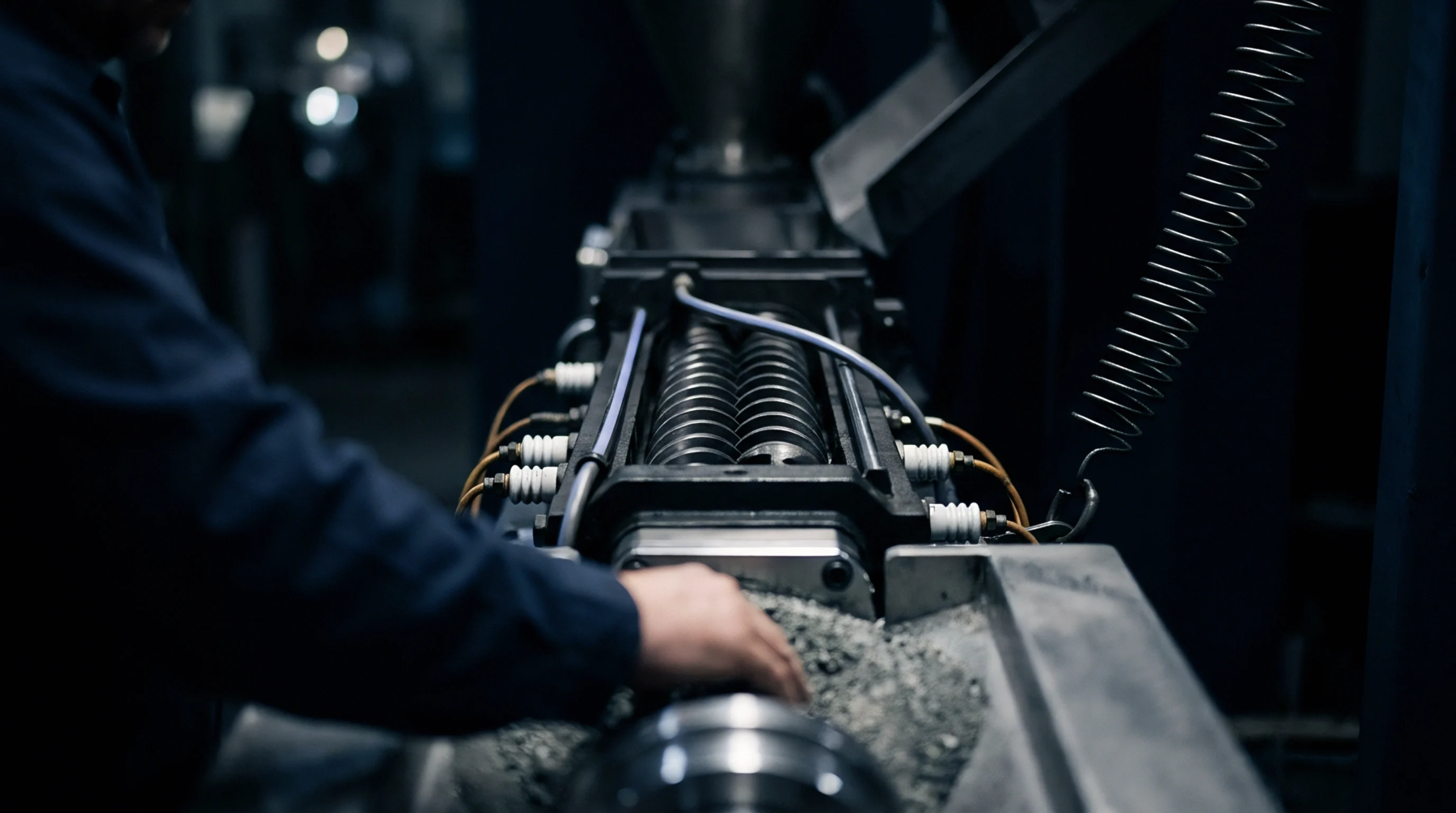
Gas removal during the continuous forming of molten polymers involves high vacuum extrusion. Mechanical forces drive the melt through a barrel chamber held at sub-atmospheric pressure to facilitate the separation of volatile substances. This operation pulls moisture and residual monomers away from the polymer stream before the material exits the die.
Effective removal prevents surface defects and internal voids in the final product.
Processing Mechanics
Lowering the internal barrel pressure alters the thermodynamic equilibrium of the polymer solution. High vacuum extrusion forces gaseous species out of the viscous liquid by increasing the concentration gradient at the surface interface. Specialized venting ports connect to an external pump system to maintain this negative pressure gradient.
Maintaining a stable seal at the feed throat and die head prevents atmospheric air from negating the system pressure.
Operating Variables
Temperature control determines the efficiency of the degassing process. Elevated heat levels lower the viscosity of the melt and accelerate the diffusion of trapped gases toward the vacuum ports. Excessive heat causes polymer degradation and creates new volatile byproducts that contaminate the stream.
Operators manage screw speed and barrel temperature to prevent premature solidification while ensuring sufficient residence time for thorough extraction.
Production Economics
Regrind utilization increases the requirement for advanced degassing capabilities to manage inconsistent volatile content in recycled feedstock. Virgin resin usually arrives with standardized moisture levels while post-consumer streams hold widely varying contaminants. High vacuum extrusion adds complexity to the line but allows manufacturers to utilize lower cost materials without sacrificing physical integrity.
Proper extraction performance reduces scrap rates caused by bubbling or surface streaks in critical extruded profiles.