Meaning
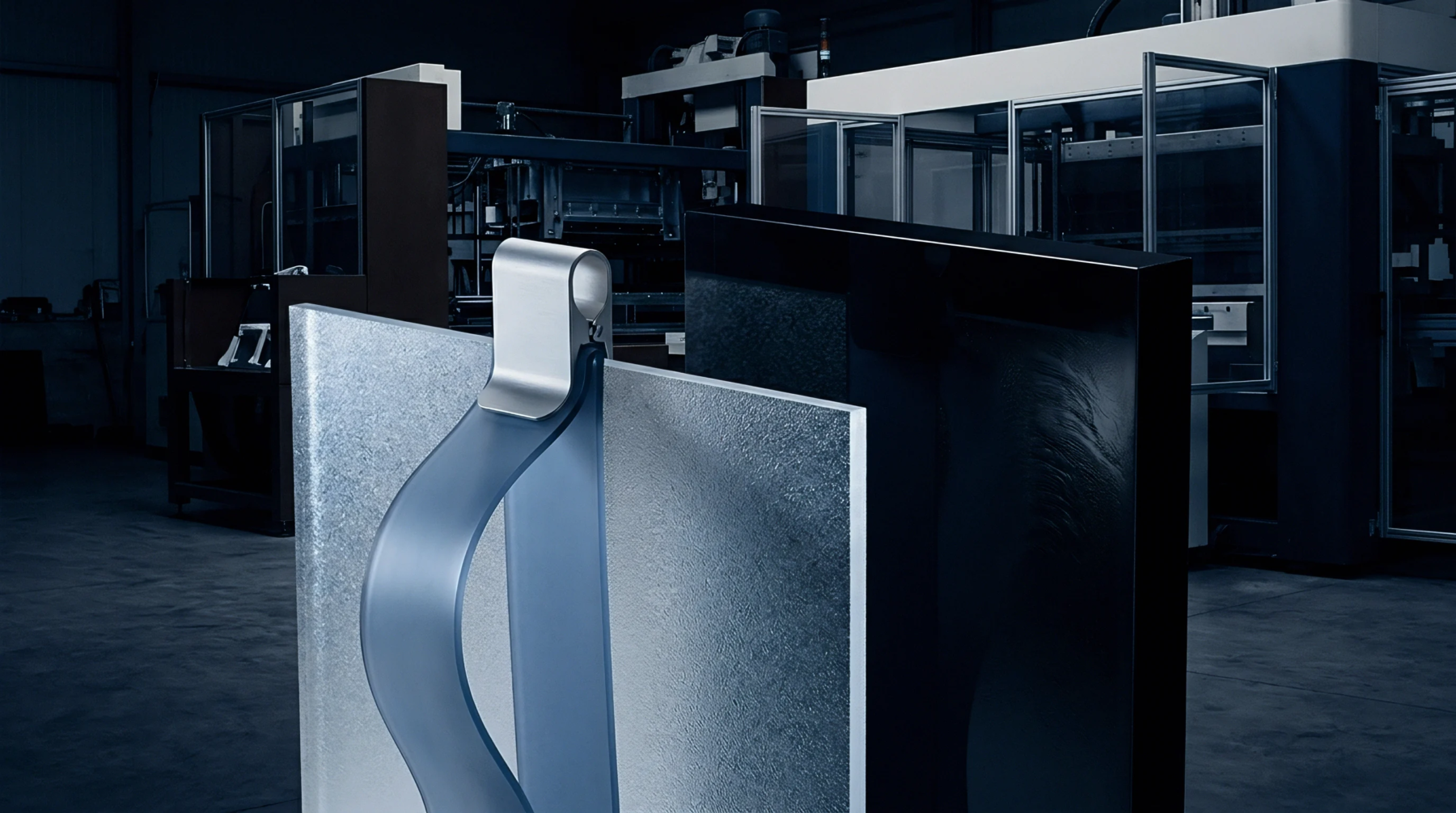
Thermal vertical deformation occurs when unsupported extrudate or extrusions soften during continuous shaping operations. Gravity sag describes this downward deflection of heated thermoplastic profiles before final quenching fixes the final geometry. Extrusion lines manage melt strength to counter this vertical displacement while raw polymers travel across calibration tables.
Pipe production and profile manufacturing track this dimensional shift to prevent ovality and wall thinning. Tooling engineers calculate die swell alongside downward pull to establish accurate cooling trough heights.
Thermal Deflection
Extrusion temperatures dictate the molten viscosity that resists gravitational pull inside the calibration zone. High melt temperatures reduce shear resistance and accelerate vertical dropping before water baths cool the profile. Moulders compensate for low melt strength by adjusting vacuum calibration levels inside sizing sleeves.
Thermal profiles govern how quickly molten extrudate transitions from fluid behaviour to solid structural integrity. Processing speeds must match the rate at which cooling water extracts heat from the outer skin.
Tooling Geometry
Die design incorporates upward offset angles to pre-compensate for anticipated vertical drop during cooling. Sizing plates support semi-molten tubes mechanically until peripheral cooling locks the radial dimensions in place. Roller heights on calibration tables dictate the exact catenary curve the extrudate follows during descent.
Unsupported spans between the extrusion die and the first sizing vacuum tank amplify the vertical shift. Equipment operators adjust support fixtures manually when heavier wall sections increase the downward load.
Economic Waste
Wall thickness variations degrade burst pressure resistance in finished pipes and conduit products. Scrap rates climb when downward stretching exceeds acceptable tolerances listed in product specifications. Regrind material addition lowers average melt strength and forces tighter temperature control to limit droop.
Resin selection determines the maximum drawdown ratio possible without triggering structural collapse in complex hollow profiles.