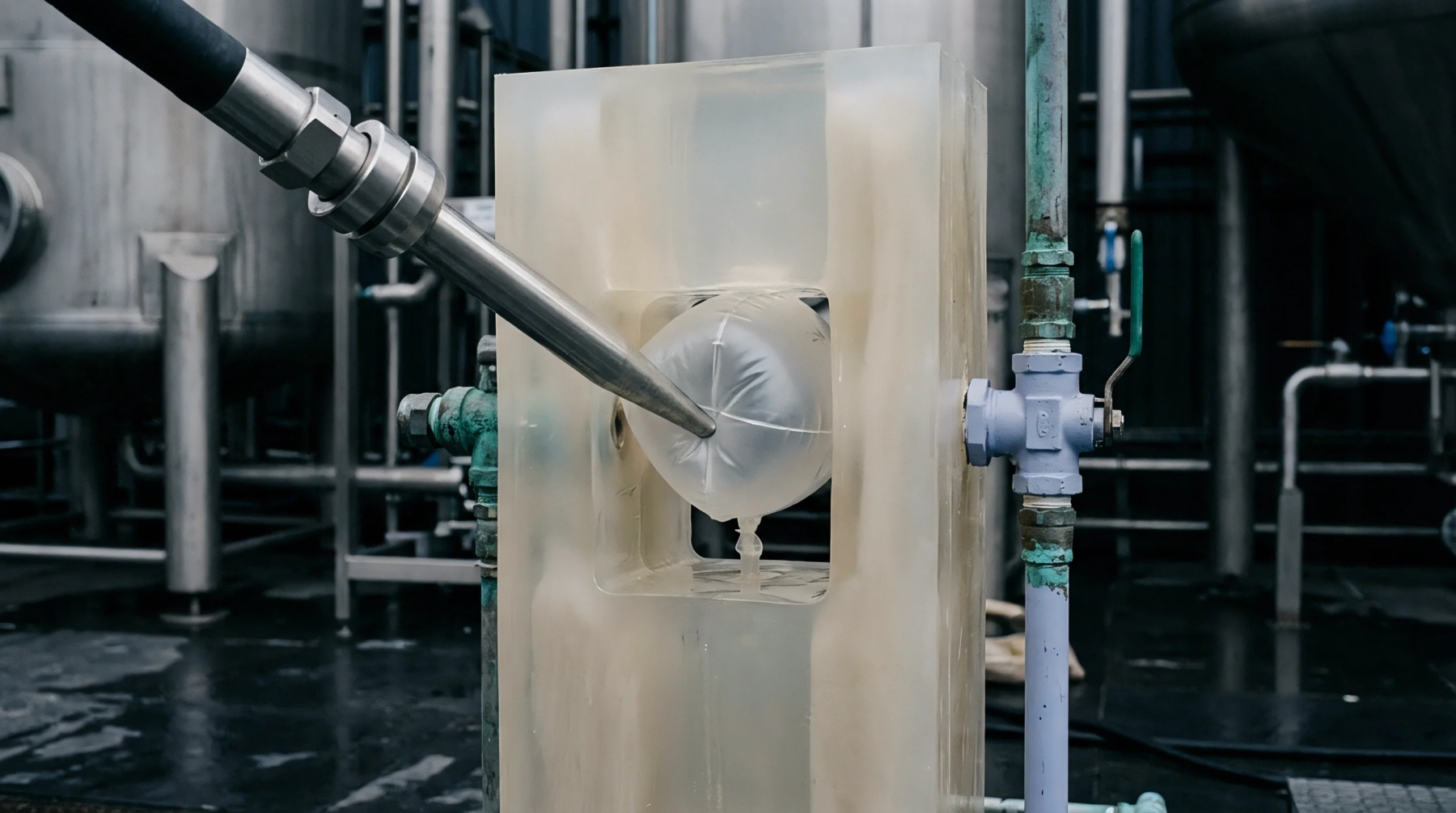
Micro Mould Cavity Pressure Sensor Placement Mechanics
Sub-millimetre cavity pressure sensor placement requires sub-two-micron pin clearances and end-of-fill installation to decouple micro-melt viscosity from V/P switchover.
Mechanical attachment requires fasteners or interference fits to fix a component directly onto a machine base or structural member without intermediate mounting plates or dampening hardware. This direct mounting method removes the thermal and mechanical buffer typically provided by sub-plates or secondary spacers. High stiffness gains arise from this configuration because the transmission path for structural vibrations shortens significantly.
Precise alignment remains the primary challenge during assembly because the lack of an intermediate buffer prevents minor adjustments of the component position after initial tightening. Such setups govern the transmission of static loads from the workpiece to the machine frame in precision injection moulding equipment. The technique applies to heavy stationary units where alignment accuracy rests on the flatness of the mating surface rather than on adjustable mechanical linkages.
Surface flatness tolerance defines the operational limit for this rigid connection during the installation of mold bases. Small gaps between the mating faces allow for localized pressure points that distort the plate or crack the casting under high clamping force. Manufacturers specify grinding operations to reach a parallelism of twenty microns across the entire contact zone to avoid uneven heat distribution.
When bolt tension exceeds the yield strength of the mounting holes, the assembly loses its rigidity and introduces vibration into the injection stroke. These forces degrade the positional accuracy of moving platens during rapid cycle operations. Material choices for mounting surfaces impact the wear resistance of the connection, as softer metals deform under the continuous fatigue of high frequency cycling.
Hardened steel inserts protect the seating area from deformation when the equipment requires frequent component replacement.
Heat dissipation depends on the conductive path between the mounted component and the massive heat sink of the main machine frame. Energy transfers move rapidly through the contact interface when physical contact remains uniform across the entire surface area. If air pockets form inside the connection due to surface pitting or debris, the component retains excessive heat and experiences premature internal seal failure.
Engineers calculate the expected heat flux to ensure the frame carries the thermal load without affecting the dimensional stability of adjacent precision sensors. Regrind plastic usage adds complexity to this energy balance because variations in melt viscosity create inconsistent back pressures that manifest as thermal spikes. Consistent clamp pressure across the mounting zone prevents the formation of hot spots that shorten the lifespan of sensitive electronic modules.
Dynamic stability during high-speed production cycles relies on the consistent tensioning of each bolt within the mounting pattern. Torque specifications remain the absolute authority for technicians who tighten these connections to maintain structural integrity. A cross-pattern sequence prevents the buildup of internal stresses that pull the component out of true verticality.
Misalignment risks damage to the drive train of the injection system as friction coefficients change during the first few hours of operation. Operators monitor the acoustic output of the assembly to identify loose fasteners before damage occurs to the mating steel surfaces. This rigid connection ensures that every unit of energy provided by the hydraulic system reaches the mould cavity without damping loss.
Sub-millimetre cavity pressure sensor placement requires sub-two-micron pin clearances and end-of-fill installation to decouple micro-melt viscosity from V/P switchover.
Expertise is a utility, not a secret. sentiention™ publishes its working knowledge as open reference: intelligence layer covering the materials it sources, the markets it enters, and the reference that serves both.