Meaning
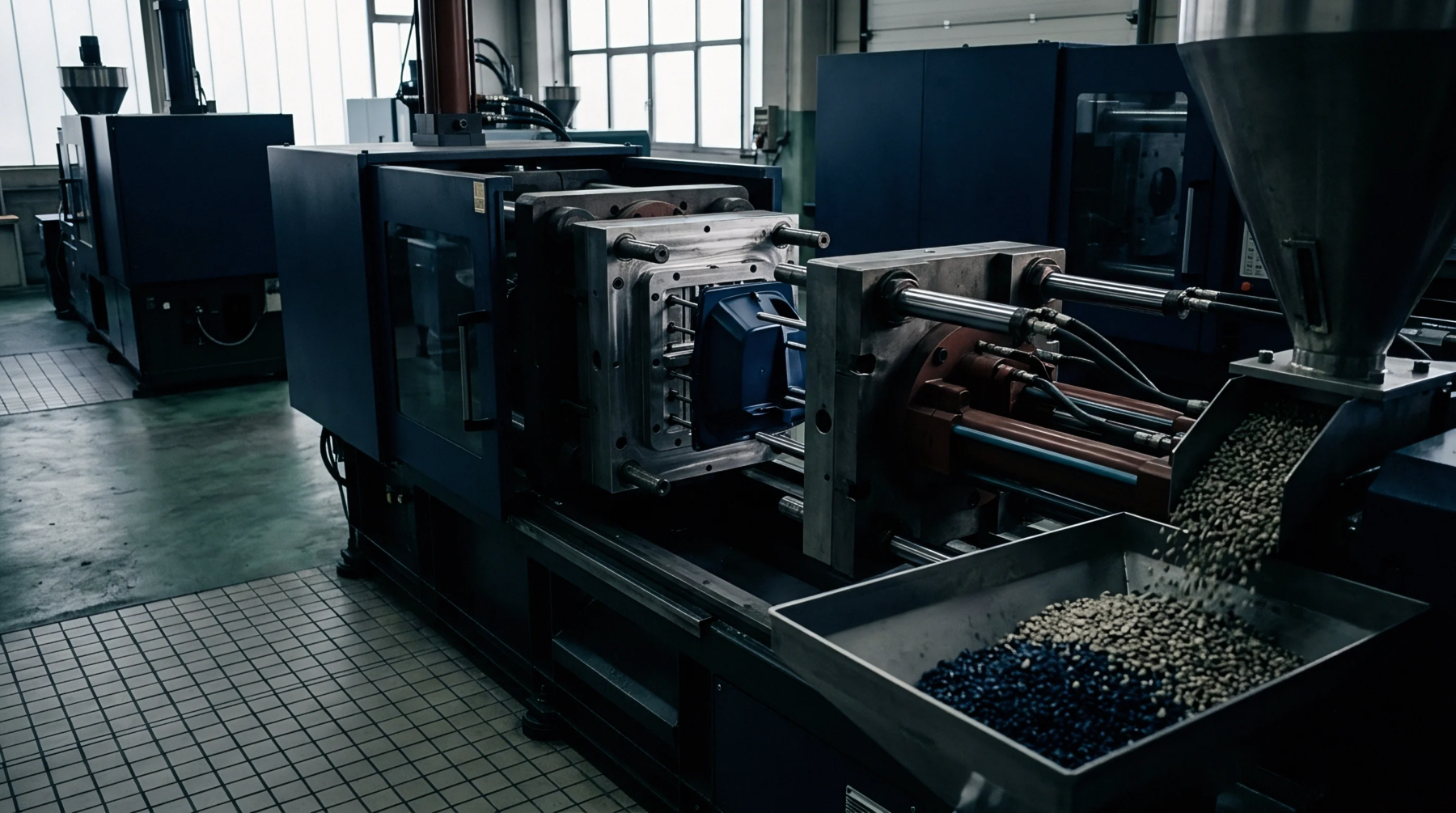
Standardized dimensional limits for plastic molded parts establish acceptable variation based on polymer shrinkage groups and tooling precision classes. Applying DIN 16742 mold tolerance rules allows tooling engineers to map resin contraction behavior directly into core and cavity dimensions. The framework accounts for anisotropy and post-moulding thermal shrinkage across semi-crystalline and amorphous resins.
Non-compliance results in binding assembly features or wall thickness variations outside design specifications.
Shrinkage Categorization
Dimensional stability depends heavily on resin crystallinity and cooling rate consistency. Under the DIN 16742 mold tolerance framework, materials are categorized into tolerance series according to free shrinkage rates, distinguishing unfilled amorphous polymers from highly filled engineering resins. Semi-crystalline compounds like polyamide 66 require wider tolerance bands due to secondary crystallization occurring days after ejection.
Regrind incorporation alters expected shrinkage values, shifting dimensions out of specified tolerance groups.
Tooling Implication
Machining tolerances on steel cavities compound with thermal expansion variations during active moulding runs. Toolmakers adjust nominal cavity dimensions using target resin shrinkage rates before hardening cavity inserts. Molders operating under tight DIN 16742 mold tolerance levels must maintain strict barrel temperature control to prevent volumetric drift.
Quality Boundary
Environmental condition changes during post-moulding storage shift part dimensions beyond target tolerance bands over time.