Meaning
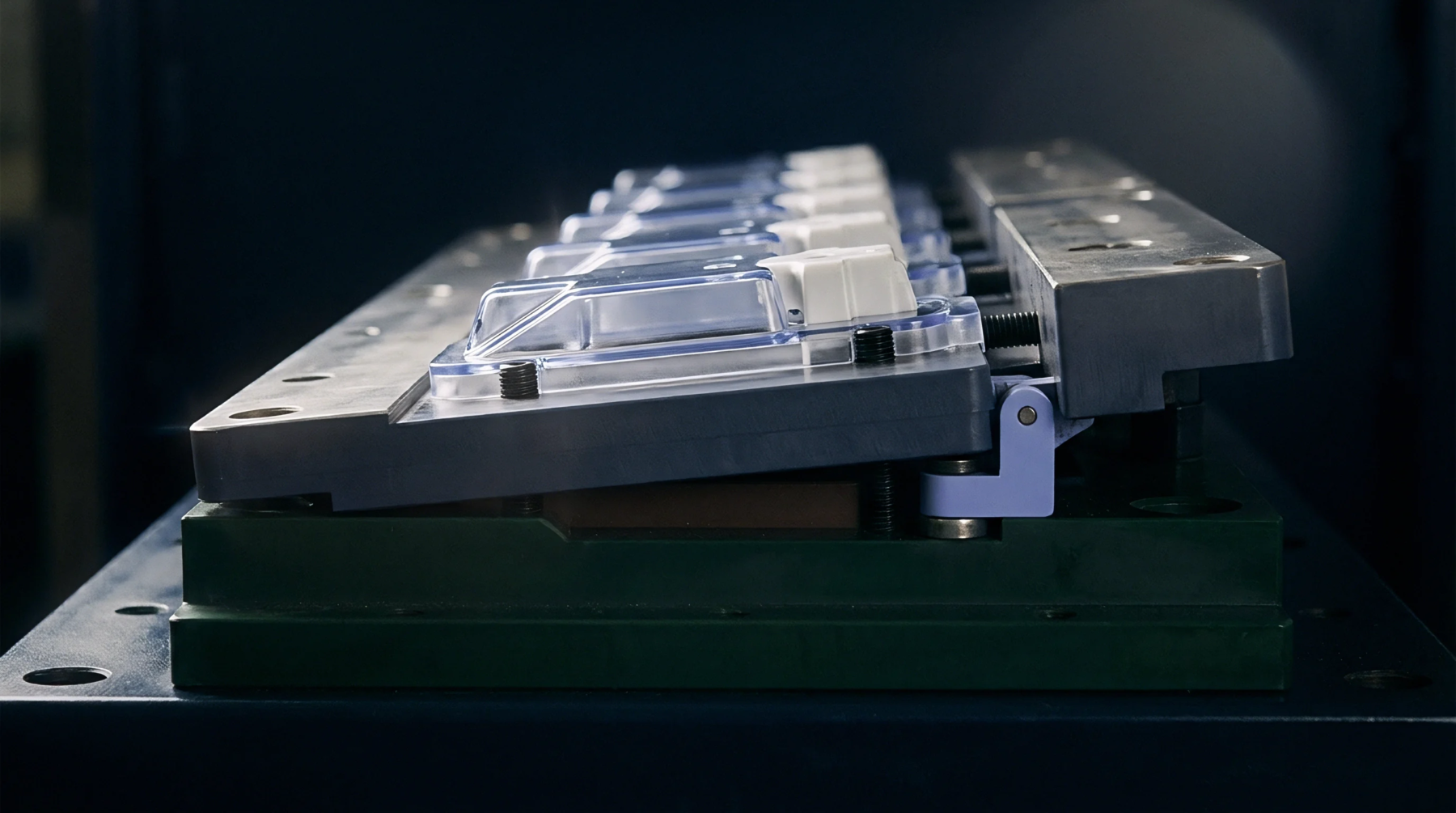
The total difference in diameter between a cylindrical bore and the internal pin or core operating inside that channel defines a mechanical fit tolerance. When precision tooling components operate under cyclic pressure, diametral clearance determines both the mechanical sliding resistance and the risk of polymer melt ingress. A tight dimension prevents liquid resin from entering the gap around ejector pins during high injection pressure.
Excess space allows molten plastic to creep into the radial gap, creating thin fins on ejected parts that demand manual trimming.
Tooling Fit
Moulding tools rely on precision grinding to maintain sliding alignment across thousands of production cycles. Machining tolerances on tool steel components establish a baseline diametral clearance between ejector sleeves and stationary cores. Steel wear increases this gap over extended runs, converting an acceptable specification into a source of part cosmetic defects.
Measuring tool wear requires bore gauges paired with micrometers to track changes before flash forms.
Thermal Expansion
Temperature differences between hot polymer melt and cooled mold steel alter physical dimensions during processing. Semi-crystalline resins like polyamide transfer heat rapidly, expanding the core pin while the surrounding tool plate remains cool. Localized thermal growth narrows the effective diametral clearance during steady production runs.
High tool temperatures can bind moving pins when thermal growth exceeds the cold clearance allowance.
Flash Risk
Melt viscosity dictates the minimum gap dimension needed to prevent polymer penetration. Low viscosity resins like unfilled liquid crystal polymers penetrate gaps as narrow as five micrometres under standard injection pressure. Maintaining proper diametral clearance limits maintenance costs by preventing pin seizing while eliminating secondary deflashing operations.