Meaning
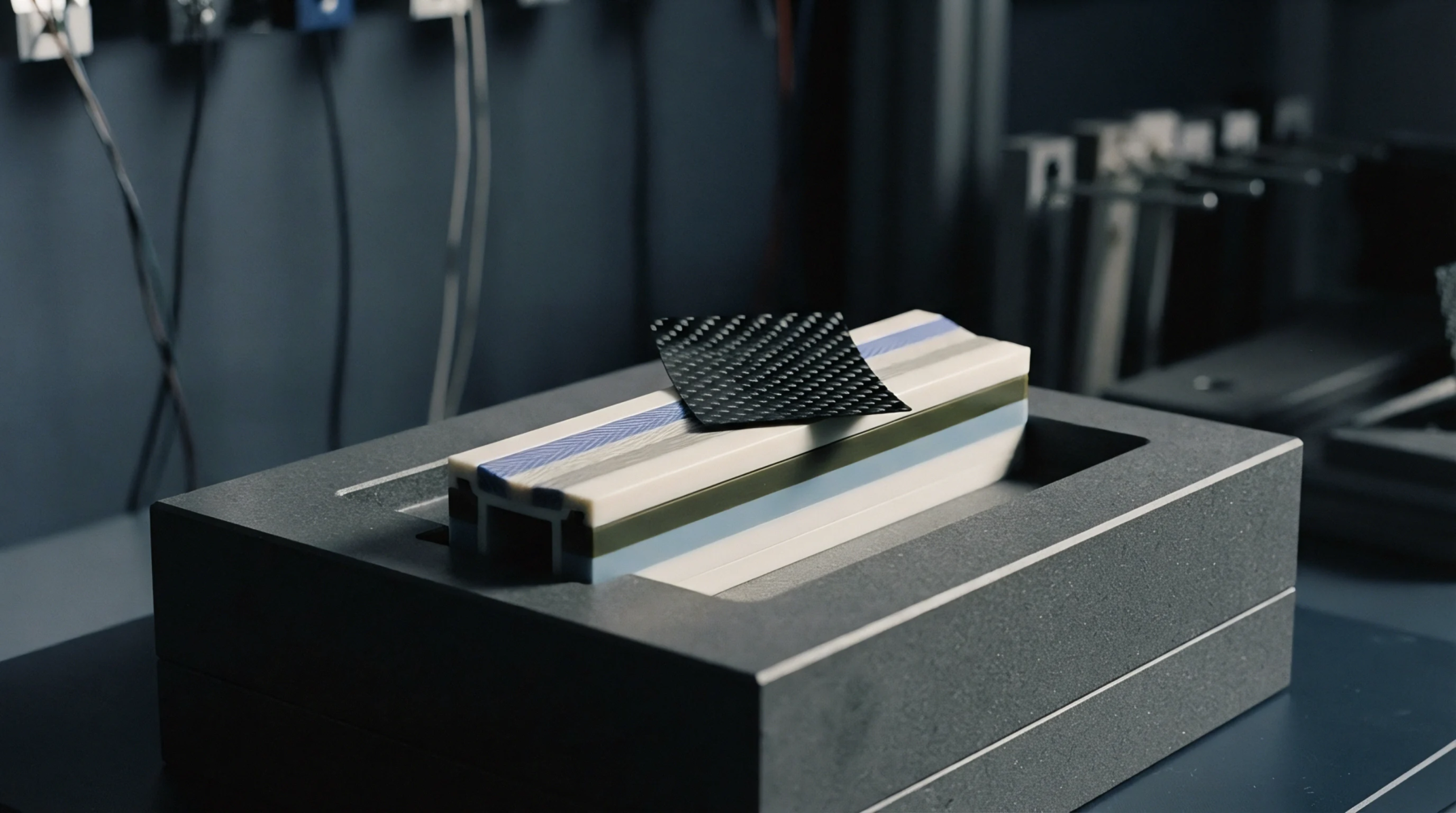
Injection moulding tools utilize separate, replaceable metal blocks that form the internal geometry of a hollow plastic part. Positioned on the moving side of the mould, the core insert defines the inner surface and dimensions of the moulded object during the cooling phase. This component must withstand high clamping forces and injection pressures.
Thermal Management
Cooling efficiency in the deepest areas of a moulded part directly determines the overall cycle time of the production run. The core insert often contains dedicated water channels or is made from highly conductive alloys to draw heat away from the hot polymer. Efficient thermal dissipation prevents issues like sinking and warping.
Properly managed temperatures yield stable parts with minimal internal stresses.
Wear Resistance
Repeatable contact with high-pressure polymer melts and sliding actions during ejection causes mechanical degradation over hundreds of thousands of cycles. Steel grades with high hardness or surface treatments are selected for the core insert to mitigate this deterioration. Friction and abrasive wear from glass-filled resins are concentrated on these replaceable parts rather than on the main mould base.
This selective wear protection extends the operating life of the entire tooling setup.
Tooling Economics
Machining complex geometries into a single large steel plate is both expensive and risky for a toolmaker. By manufacturing a discrete core insert, the machine shop can isolate the intricate detailing work and simplify the repair process if a feature is damaged. This modular approach reduces the initial tooling capital and lowers the long-term maintenance costs for high-volume production lines.
Block replacements are faster and cheaper than rebuilding an entire cavity plate.