Meaning
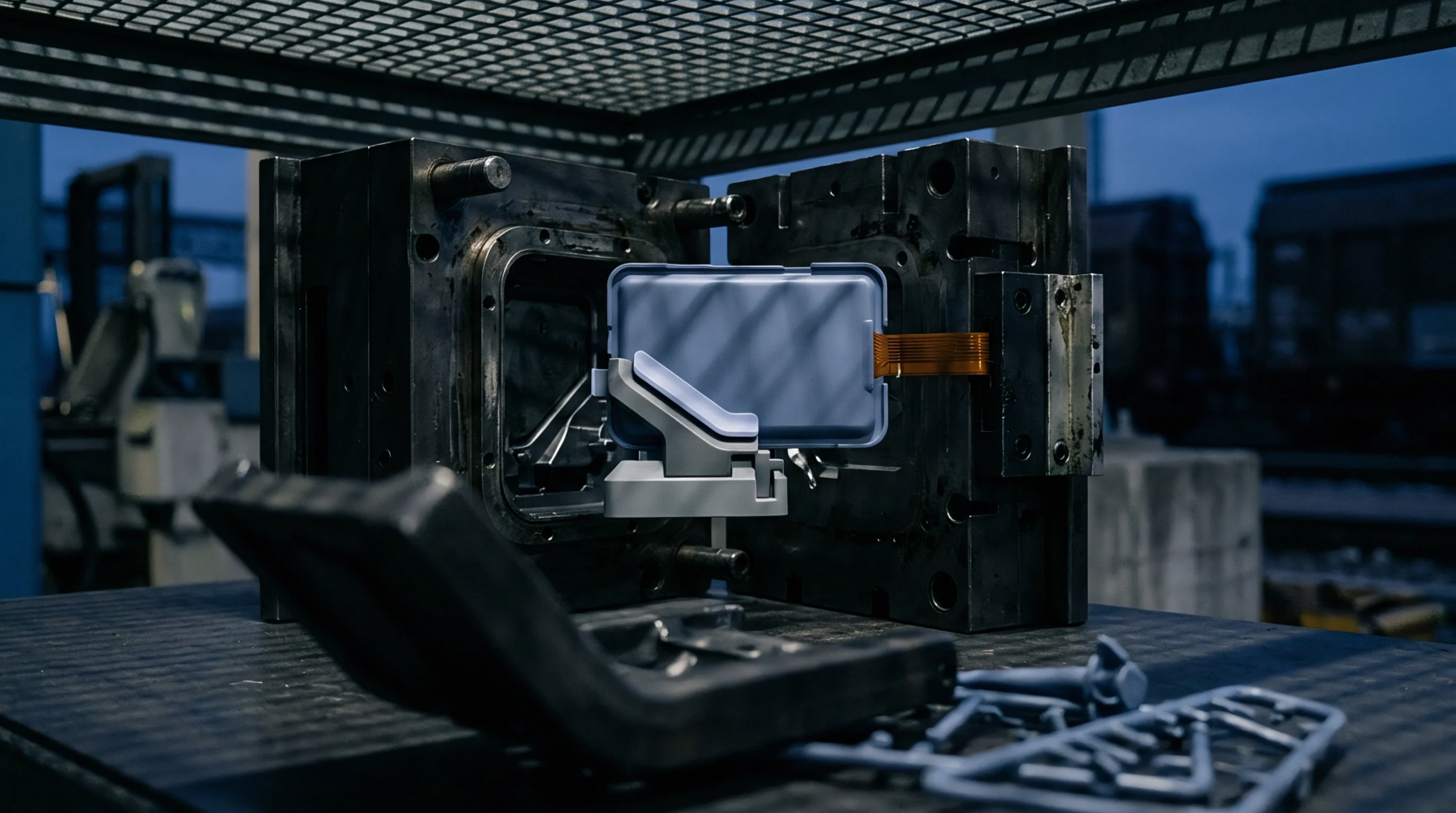
Thermal impedance occurring at the junction of two distinct surfaces limits the transfer of heat from the plastic melt into the mold cooling system. This phenomenon is prominent at the interface between a mold insert and the main mold base. Even when surfaces are clamped tightly, microscopic air gaps prevent the efficient movement of heat.
Reducing contact resistance is necessary to maximize the cooling performance of specialized alloys.
Interface Variation
Surface roughness and the flatness of the mating components change the magnitude of the thermal barrier. A smoother finish increases the actual area of contact, which lowers the resistance.
Tooling Constraint
High pressures during the injection cycle can compress these interfaces, slightly improving heat flow momentarily. However, the air trapped in the voids acts as an insulator that stays present throughout the run. Moulders often use thermal grease or conductive shims to fill these gaps and create a more continuous path for heat dissipation.
Efficiency Barrier
The presence of this resistance means the temperature of the insert will always be higher than the temperature of the cooled mold base. This delta can lead to uneven cooling and internal stresses in the molded part. If the contact resistance is not accounted for in the mold design, the cooling time will exceed the predicted values from the simulation.