Meaning
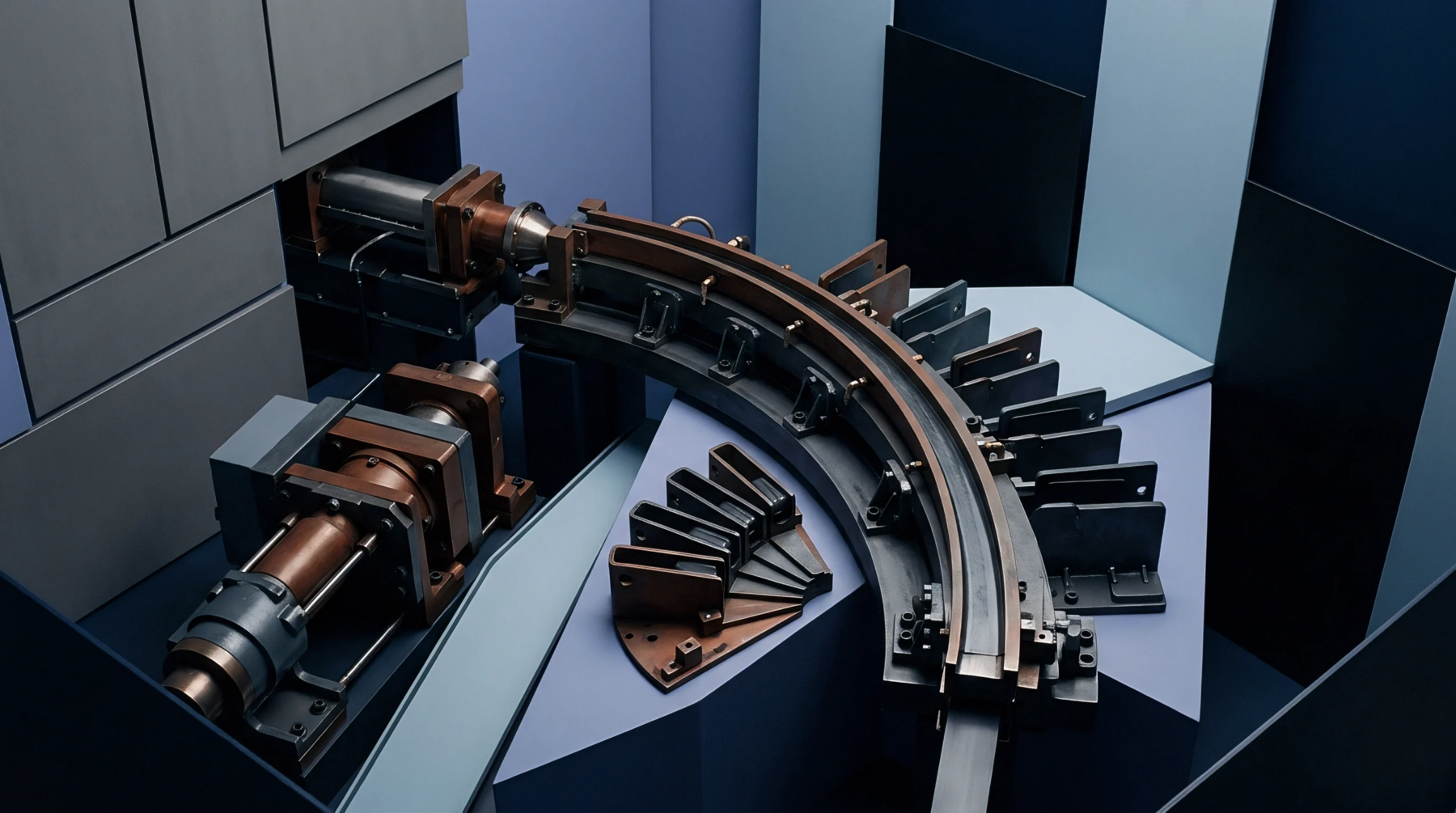
Linear growth along the longitudinal axis of a hot runner component occurs as the system reaches its operating temperature. This phenomenon, known as axial expansion, must be calculated to ensure that the nozzle tip seats correctly against the gate. Designers allow for this movement by including specific clearances in the tool assembly while the metal is cold.
Failure to account for the change results in leaked resin or damaged steel components.
Thermal Calculation
Predicting the exact change in length requires knowing the coefficient of thermal expansion for the specific steel grade used in the manifold. As the temperature rises from ambient to processing levels, axial expansion can move the nozzle several millimetres.
Seating Integrity
Correct pressure between the nozzle and the mould plate is maintained only when the system is at its target heat. If the axial expansion is underestimated, the nozzle will not press hard enough against the gate and plastic will bypass the seal. Overestimation leads to excessive force that can crush the nozzle tip or deform the manifold.
Clearance Management
Machining the tool with a cold gap allows the components to grow into their final positions without interference. This gap disappears as the hot runner warms up, creating a rigid and leak-proof assembly. Precise machining ensures that the axial expansion completes the seal exactly at the production temperature.
Predictable movement is the foundation of a successful hot runner installation. Maintenance teams verify these gaps during every tool teardown to ensure the expansion remains within the design limits.