Meaning
Quality control protocol that uses inline sensor data to divert non-conforming components without operator intervention. An automated part rejection system relies on signals from cavity pressure transducers or machine stroke sensors to identify deviations. These systems act immediately upon the detection of a cycle that falls outside of the established process window.
Signal Source
Data originates from transducers mounted within the tool or the injection unit. Every automated part rejection cycle generates a curve that the controller compares against a master template. If a peak pressure or cooling rate violates the limit, the software triggers a mechanical gate.
Diverter Mechanism
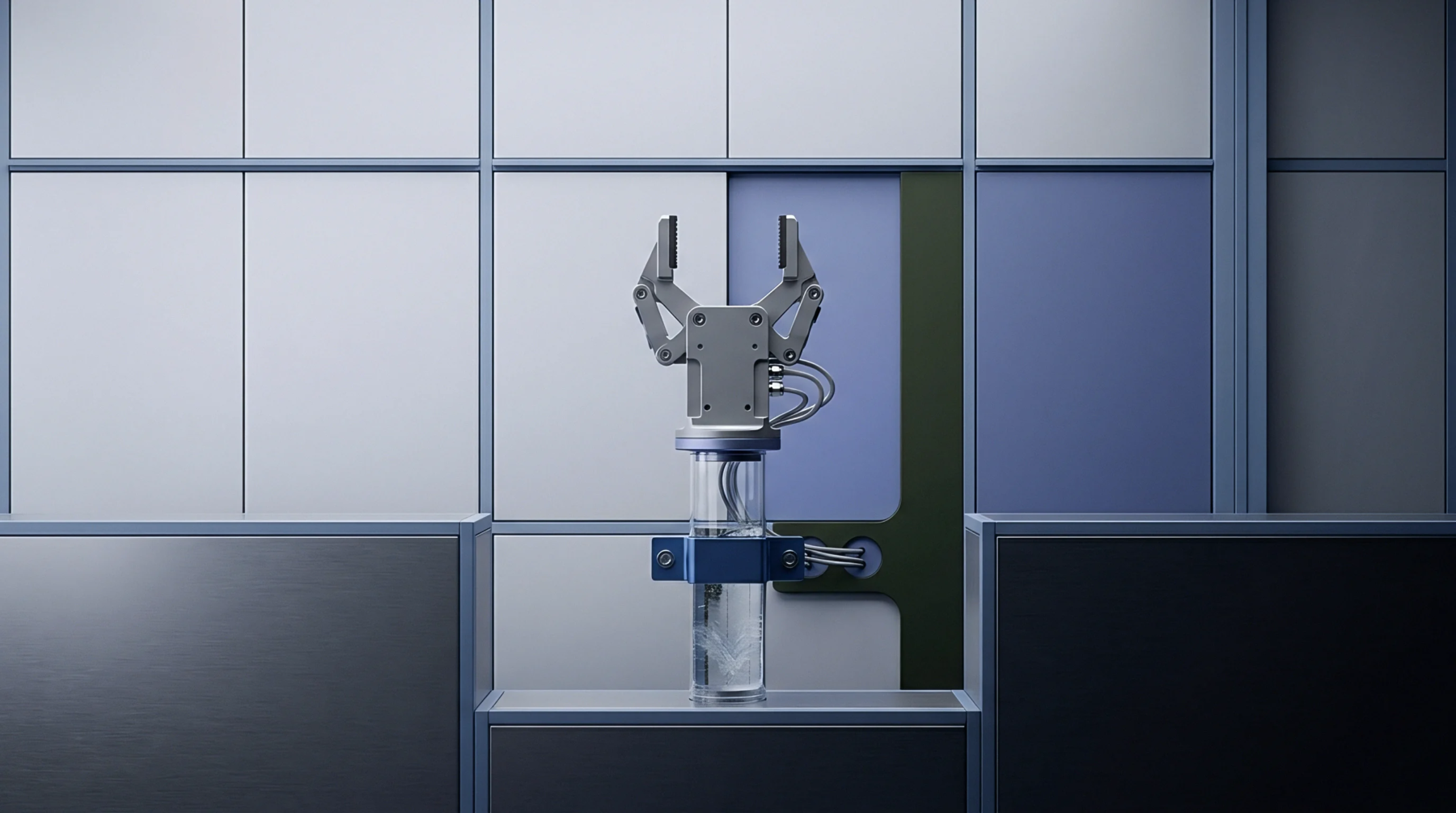
Hardware for sorting parts typically sits at the end of the conveyor or at the mould face. Gravity chutes or robotic arms move the suspect item into a separate bin. This automated part rejection mechanism ensures that regrind remains uncontaminated by suspect material.
Using such a method reduces the labor costs associated with manual inspection of large batches. It prevents the shipment of short shots or flashed parts to the assembly line.
Scrap Management
Effective sorting maintains the integrity of the production lot. A secondary benefit of automated part rejection is the isolation of material for reprocessing. Suspect parts are often ground back into resin for reuse if the material allows.
This loop supports the economics of virgin resin by minimizing permanent waste.