Meaning
Precipitation-hardened martensitic chromium-nickel alloy forms the metallurgical foundation for high-strength components used in corrosive environments. Manufacturers utilize 17-4 ph stainless steel housing designs to provide superior resistance to stress corrosion cracking while maintaining high fracture toughness in complex geometries. This material offers a distinct balance of high tensile strength and moderate ductility after final thermal treatment.
Processing Requirement
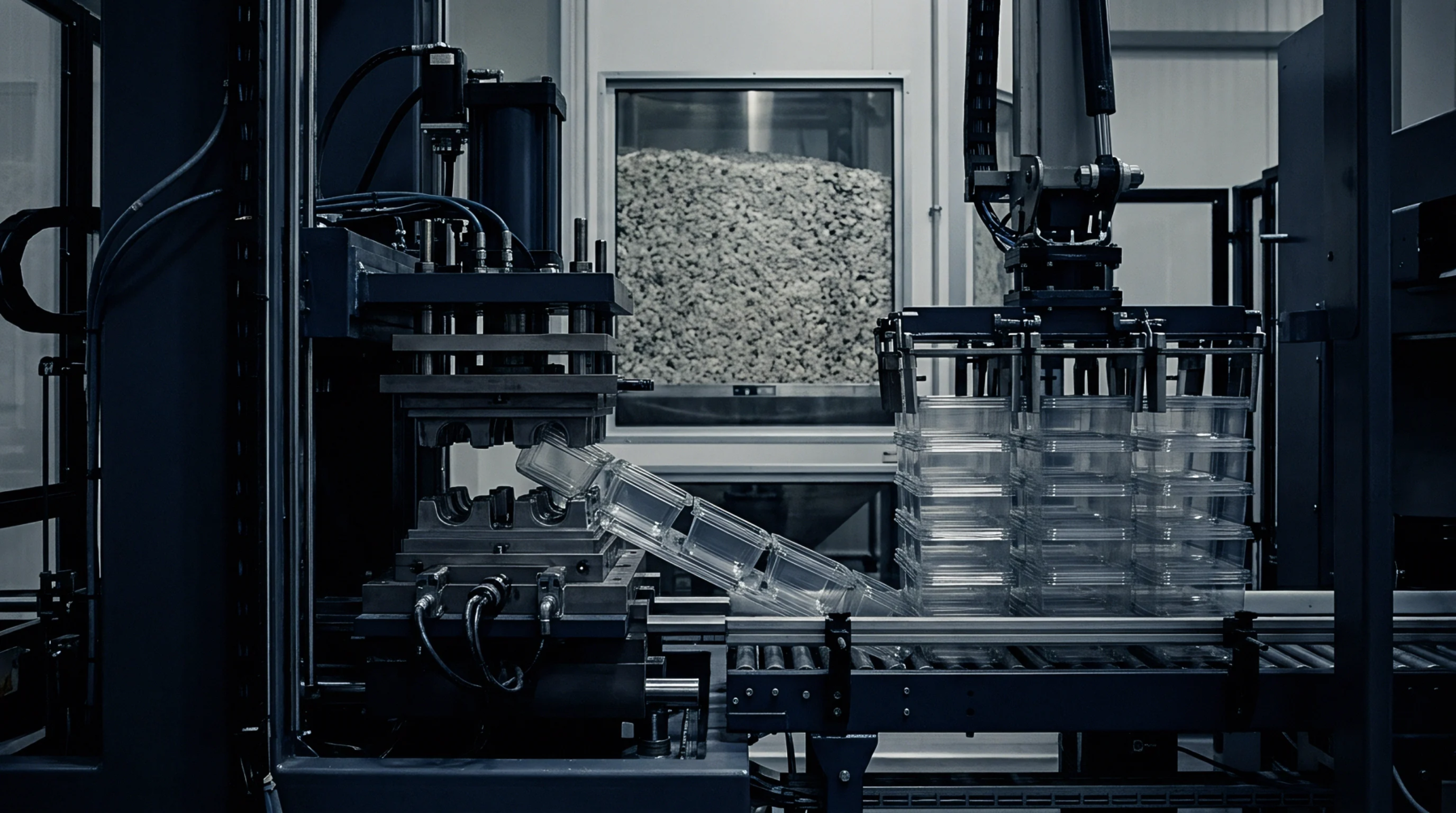
Moulding operations for polymer components often rely on these assemblies to ensure structural rigidity under high clamping forces. Precision machining ensures the 17-4 ph stainless steel housing maintains tight tolerances during the repetitive thermal cycling inherent to injection cycles. Engineers select this alloy to minimize dimensional instability where expansion coefficients must align with rigid steel moulds.
Improper annealing during fabrication cycles leads to unpredictable brittleness, which degrades the fatigue life of the entire assembly.
Production Boundary
Machine shops specify this grade to mitigate the risk of seizure when sliding metallic components move against hardened steel surfaces. A 17-4 ph stainless steel housing acts as the primary barrier against abrasive wear and chemical ingress during long-term production runs. Hardness values typically range from 30 to 45 HRC depending on the specific heat treatment cycle applied to the finished geometry.
Surface finish requirements demand consistent feed rates to avoid local overheating that alters the crystalline structure of the precipitation-hardened matrix.
Economic Logic
Virgin material procurement costs remain higher than standard austenitic grades due to the specialized niobium and copper additives required for property development. Regrind streams often introduce impurities that destabilize the microstructure of secondary alloys, so fabricators prefer clean feedstock for critical structural housings. Tooling investments represent a significant portion of project expenses because the high yield strength of 17-4 ph stainless steel housing parts necessitates slow metal removal rates.
High initial costs offset maintenance expenditures by extending the operational window before surface degradation forces a premature tool overhaul.