Meaning
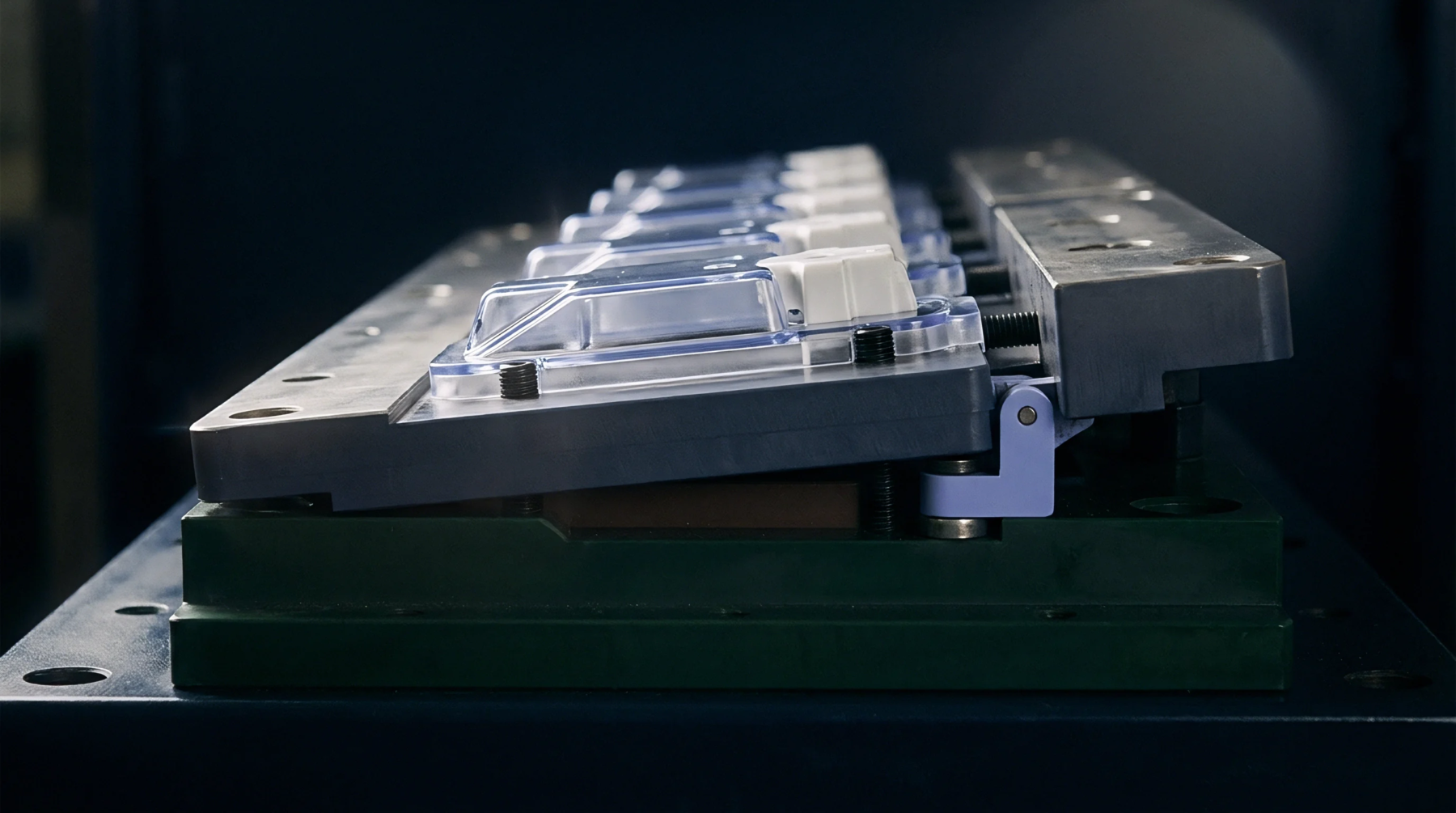
The system known as VDI 3400 Surface Finish functions as a standardized textural classification standard for electrical discharge machining cavities inside injection molds. Toolmakers apply this system to specify the exact degree of spark erosion roughness required on cavity walls for polymer release and aesthetic control. Spark erosion textures range from very fine matte finishes for optical components down to coarse grains for high friction grips.
Tooling Economics
Polishing tool steel to match high specification grades requires extensive manual labor that increases upfront capital expenditures. Moulders offset these fabrication costs by matching the texture grade directly to the ejection draft angle of the geometry. Parts featuring deep textured ribs demand higher draft allowances to prevent surface dragging and high ejection force failures.
Regrind polymer streams often mask fine grain imperfections better than virgin engineering resins because fillers scatter light reflection across the molded part.
Resin Shrinkage
Amorphous thermoplastics replicate fine electrical discharge machining patterns with high fidelity due to minimal volumetric contraction during cooling phases. Crystalline polymers shrink significantly upon phase change and soften the fine peaks of the texture, which alters the final gloss level of the molded product. Cavity wall temperatures dictate how completely the molten polymer packs against the microscopic valleys of the tool steel.
Melt temperature fluctuations during production alter viscosity and change the depth of polymer penetration into the textured grain.
Molding Control
Production technicians adjust injection pressure profiles to ensure complete filling of textured cavity details without generating sink marks on thick wall sections. Excessive injection speeds cause jetting over the textured surface and leave permanent cosmetic blemishes near gate locations. Datasheet values for volumetric shrinkage establish the baseline for mold scaling, but actual part texture depth determines the friction coefficient during part ejection.
Quality inspectors verify production compliance by comparing physical part textures against master reference plaques supplied by mold makers.