Meaning
Standardized dimensional accuracy class for injection moulded plastic components governs the permissible deviations from nominal dimensions for high-precision technical parts. Achieving a tg4 tolerance requires strict control over the material selection, part design, and moulding process parameters. This classification applies only to parts moulded from engineering resins that exhibit low and stable shrinkage behavior during the cooling phase.
Precision Level
Nominal dimensions that fall within this group must be held to tighter limits than the standard commercial tolerances used for consumer goods. The deviation limits are calculated based on the size of the part, with smaller dimensions having proportionally smaller allowable variations. This level of precision ensures that mating parts in complex assemblies fit together perfectly and function reliably over their service life.
Tooling Requirement
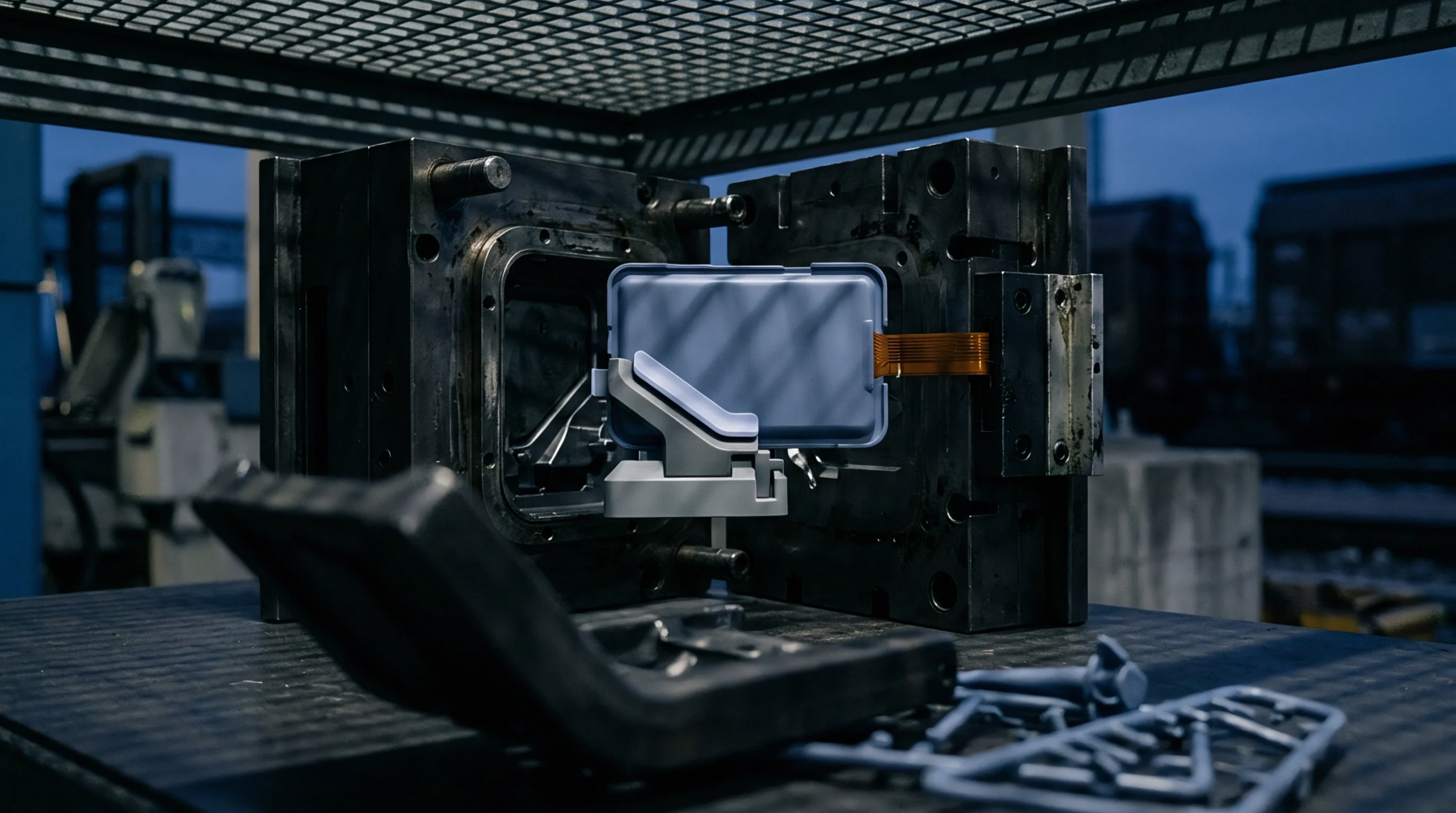
Molds designed to produce parts to this standard must be manufactured with exceptional accuracy and stiffness to prevent deflection under high injection pressures. The toolmaker must use high-quality steel and incorporate precise thermal management systems with balanced cooling lines to maintain a uniform temperature across the cavity. This construction prevents local variations in shrink rates that would push the dimensions outside the required limits.
Manufacturing Cost
Maintaining this level of consistency requires longer cycle times and more frequent quality inspections, which increases the overall cost of the part. The moulder must use closed-loop control systems on the injection press to monitor melt pressure and cushion size on every cycle. This high level of process control ensures that the parts remain within the specified range, but the narrow window of operation can lead to a higher scrap rate if the process drifts.