Meaning
Vapor adsorption and desorption paths diverge within porous media during pressure changes. Sorption hysteresis describes the gap between these paths that arises because moisture fills and empties capillary structures through different physical mechanisms.
Processing Dynamics
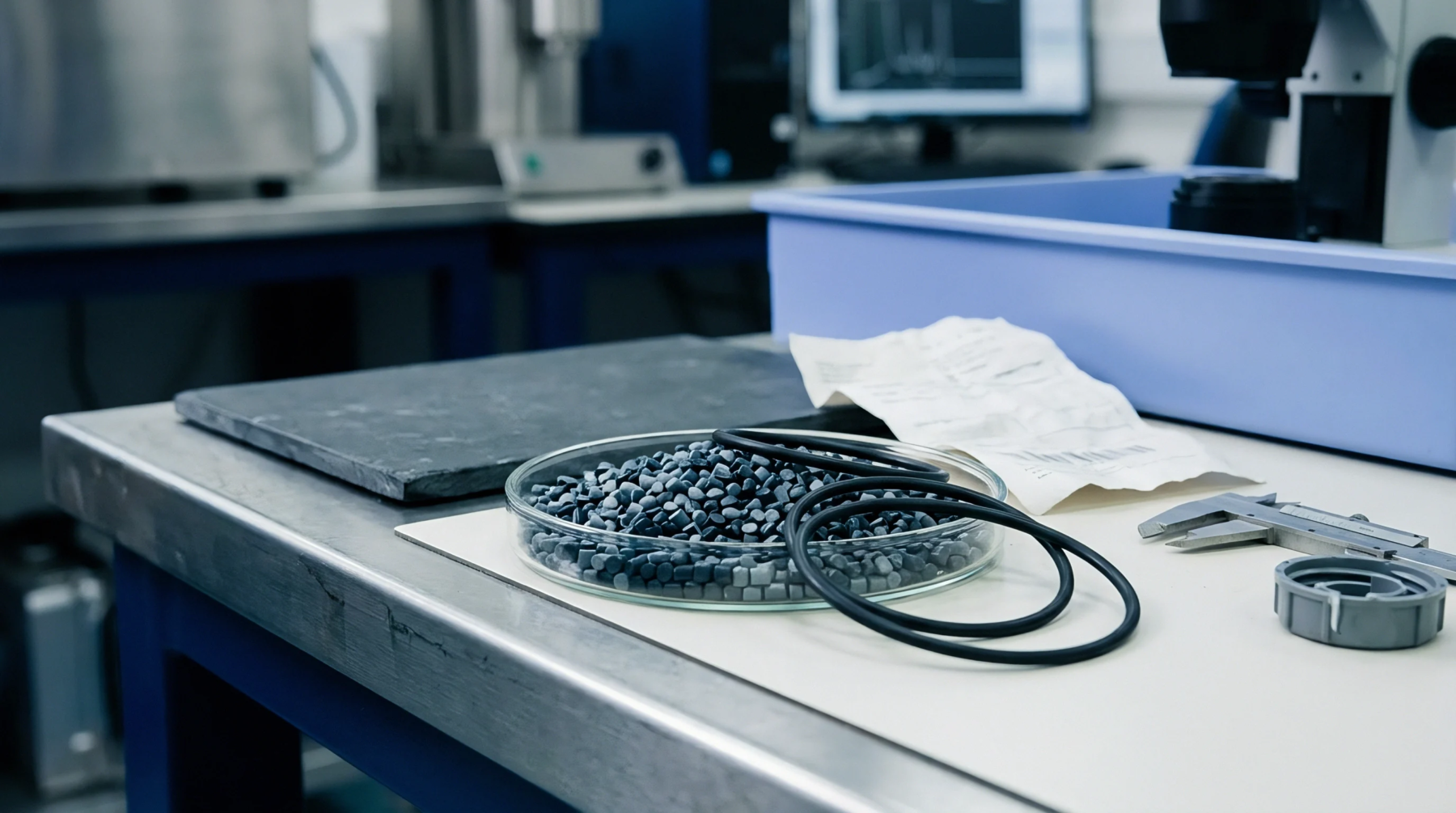
Polymer pellets retain moisture through surface adsorption and capillary condensation within internal voids. Sorption hysteresis influences the drying time required for hygroscopic resins before they reach a moisture content suitable for injection molding. Resin suppliers provide saturation curves based on equilibrium, but actual shop floor conditions often keep the material on the desorption branch while the dryer operates.
Economic Consequence
Excessive moisture leads to hydrolytic degradation during the melt phase and creates structural defects in finished parts. Accurate moisture control prevents the chemical breakdown of polymer chains which reduces the mechanical properties of the molded component. Regrind usage further complicates these dynamics because old material surfaces possess different capillary architectures than virgin resin particles.
Quality Assurance
Datasheet values represent ideal laboratory conditions that seldom align with the rapid atmospheric exposure occurring on a production floor. A calibrated moisture analyzer provides the only reliable data for setting dryer temperatures and throughput rates. Successful drying cycles depend on the state of the material rather than the theoretical saturation limit.