Meaning
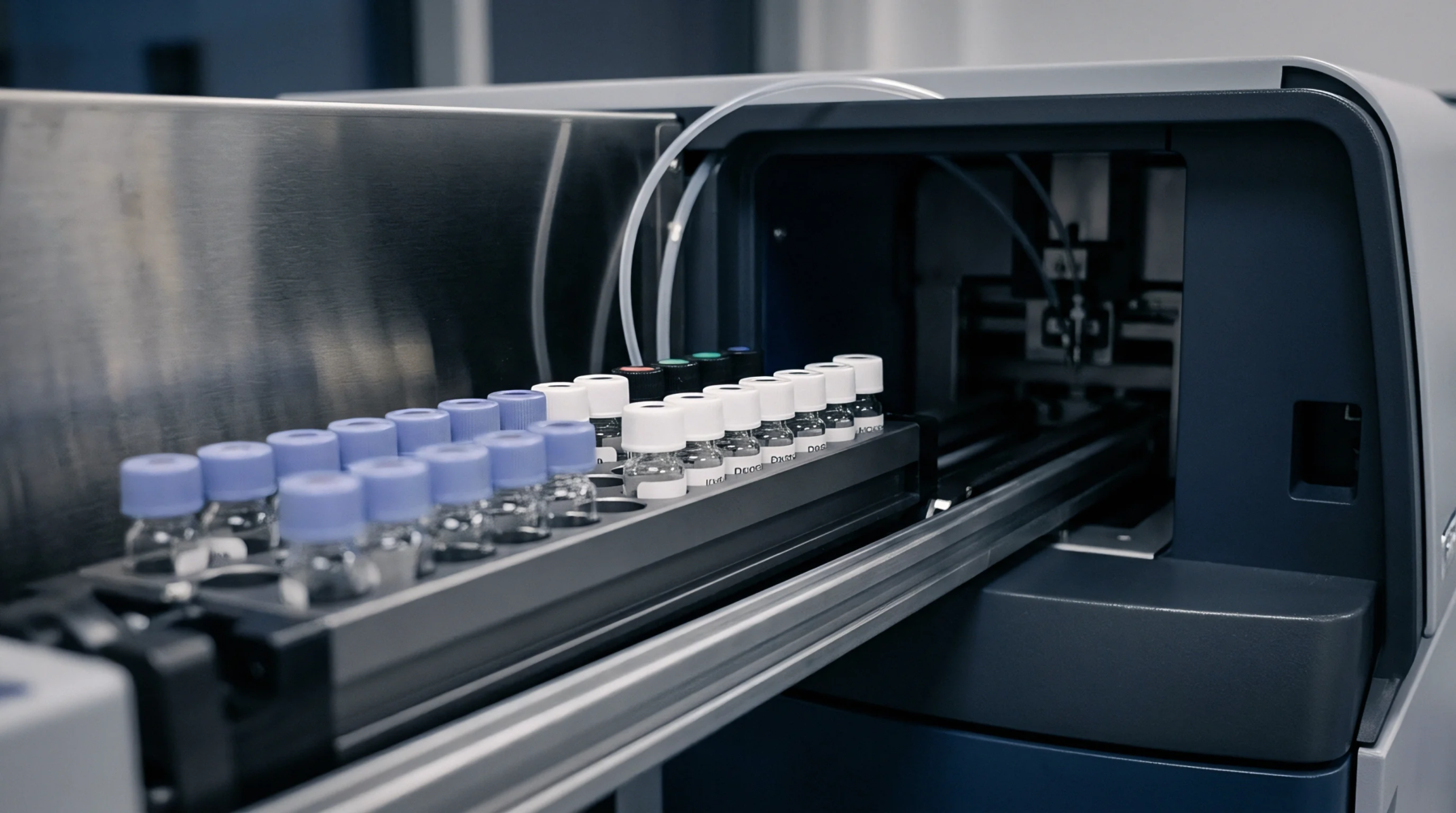
Physical specimens of raw polymer resin or finished parts kept in controlled storage for a specified period provide a reference point for quality audits and dispute resolution. Storing a retained sample allows processors and suppliers to trace the properties of a specific production lot if a defect is discovered later. This reserve is maintained under stable environmental conditions to prevent degradation that would alter test results.
The storage duration typically spans the shelf life or the active service life of the finished product.
Quality Archive
Traceability protocols in compounding and injection moulding require systematic archiving of production lots. When a retained sample is collected, it is labeled with the batch number, date, and production line identifier. This physical archive serves as a history of the plant’s output and is used during regular quality audits.
Compounding facilities must store these samples in sealed containers to avoid moisture absorption or dust contamination.
Dispute Resolution
Customer complaints regarding brittle parts or out-of-specification melt flow rates are evaluated by comparing the failed part with the original lot. Testing the retained sample allows the manufacturer to determine if the issue originated during the resin production or the subsequent moulding process. If the sample meets all datasheet specifications, the focus of the investigation shifts to the processor’s parameters, such as melt temperature or injection speed.
This objective comparison prevents blame from being misplaced and helps to resolve conflicts quickly.
Technical Analysis
Laboratory evaluations on the stored material can include gel count tests, moisture analysis, and molecular weight distribution. Having a retained sample ensures that engineers have access to pristine, unprocessed material from the exact lot in question. These tests can reveal if the resin was delivered with an incorrect stabilizer package or if the polymer had already degraded before molding.
Such analyses are completed using standard laboratory equipment to ensure that the results are legally and technically defensible. This process protects both the supplier and the buyer by providing clear, unadulterated evidence of the material’s initial state.