Recycled Content Claims Priced into a Packaging Tax Line
Recycled content tax claims require lot-specific EN 15343 audit trails and migration reports to withstand customs audits and avoid retroactive landed tax liabilities.
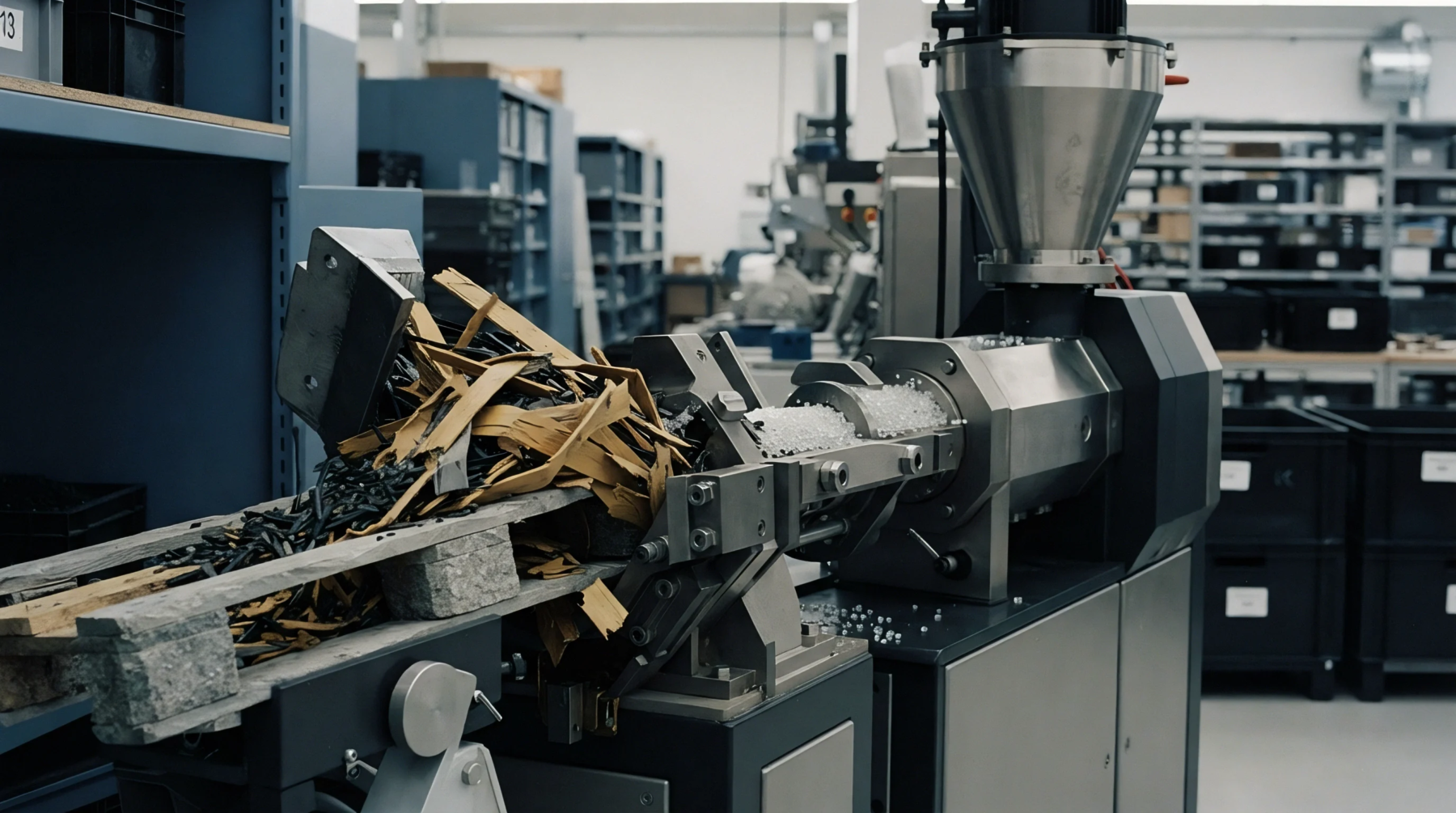
Resin sourced from plastic waste generated during industrial manufacturing processes, excluding materials that are reused within the same production cycle. Industrial waste streams are often much cleaner and more predictable than the waste collected from households. This category of material includes items such as off-cuts, rejected parts and the leftovers from the setup of a moulding machine.
Because the history and composition of the material are known, it is easier to maintain high levels of quality during the recycling process. This makes post-industrial recycled materials a preferred choice for manufacturers who need to meet sustainability goals without compromising on performance. The material is typically collected and processed on a large scale, ensuring a stable supply for industrial users.
The high consistency of these resins allows them to be used in a wide variety of technical parts. Moulders find that the processing parameters for these materials are very similar to those of virgin resins, which reduces the need for extensive process development. This stability is particularly important in industries like electronics or medical devices where part dimensions and mechanical properties must be held to very tight tolerances.
Even though the material is recycled, it can often match the strength and durability of its virgin counterparts. However, engineers must still account for the slight reduction in molecular weight that can occur each time a polymer is melted. This requires a deep understanding of the material properties and a disciplined approach to process control.
Using recycled industrial waste helps to close the loop in the manufacturing process and reduces the need for new fossil-based feedstocks. It also prevents valuable materials from being sent to landfills or incinerators. Many companies are now finding that they can reduce their material costs by using these recycled resins while also improving their environmental profile.
The adoption of this practice is being accelerated by new regulations and by the demands of customers who want to see more sustainable products. Moulders who can effectively integrate these materials into their production lines gain a significant competitive advantage. This requires a deep understanding of the material properties and a strong relationship with a reliable recycling partner.
As the industry moves towards a more circular model, the use of industrial waste as a raw material will become standard practice. This transition is a key part of the broader effort to make the plastics industry more sustainable and less reliant on non-renewable resources.
Collaboration between different players in the supply chain is essential for maximizing the recovery and reuse of industrial plastic waste. This involves sharing information about the material composition and the potential for recycling. By working together, companies can develop more efficient recycling processes and create a stronger market for recycled materials.
The success of these efforts is a key factor in the global transition to a circular economy. As technology advances, the quality and availability of recycled industrial resins will continue to improve, providing even more benefits for the environment and the economy.
Recycled content tax claims require lot-specific EN 15343 audit trails and migration reports to withstand customs audits and avoid retroactive landed tax liabilities.
Expertise is a utility, not a secret. sentiention™ publishes its working knowledge as open reference: intelligence layer covering the materials it sources, the markets it enters, and the reference that serves both.