Meaning
Small-molecule substances that move from the bulk of a polyolefin material to the surface or into a contacting medium.
Transport Mechanism
Additives such as slip agents, antioxidants, plasticizers and low-molecular-weight oligomers diffuse through the amorphous regions of the polymer matrix. These polyolefin migrants follow a concentration gradient that is influenced by both temperature and the solubility of the molecule in the surrounding environment. In food packaging, this process is heavily regulated to ensure consumer safety.
The rate of movement increases notably when the plastic is heated during microwave use or hot-filling.
Surface Quality
Manufacturers use controlled migration to impart specific properties like low friction or antistatic behavior. However, unwanted polyolefin migrants can interfere with printing, laminating or sealing processes. A greyish bloom on the surface of a part often indicates the crystallization of these molecules.
If the migration is too fast, the functional additives are lost before the product reaches the end of its life.
Regulatory Compliance
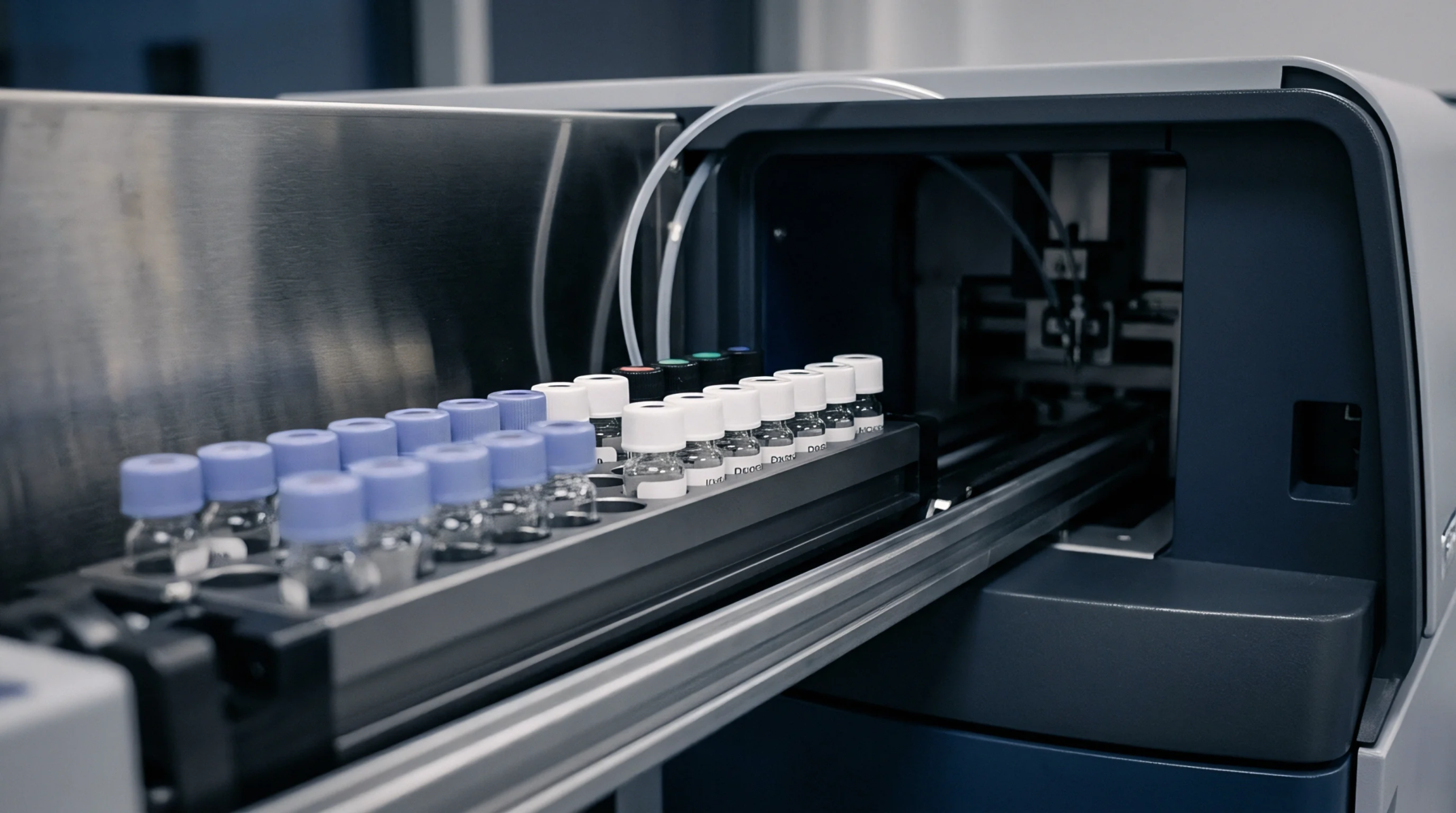
Testing laboratories perform extraction studies using food simulants to quantify the total mass of substances leaving the plastic. Monitoring polyolefin migrants is a requirement for meeting international food contact standards. These reports provide the basis for the declaration of compliance issued by the converter.