Meaning
Mass transport models assume that volatile molecules escape from a liquid or melt phase into a gas phase during brief, transient contacts at the interface. Applying penetration theory to polymer processing explains how volatile compounds diffuse out of thin polymer films that are continuously renewed by screw rotation. This model helps estimate volatile removal in devolatilizing extruders by calculating the rate of diffusion before the surface element is mixed back into the bulk melt.
Mass Transfer
Concentration gradients near the polymer melt surface drive the migration of trapped monomers and solvents. In penetration theory, the mass transfer coefficient is inversely proportional to the square root of the exposure time of the surface element. This relationship emphasizes the need to frequently renew the melt surface.
Devolatilization Rate
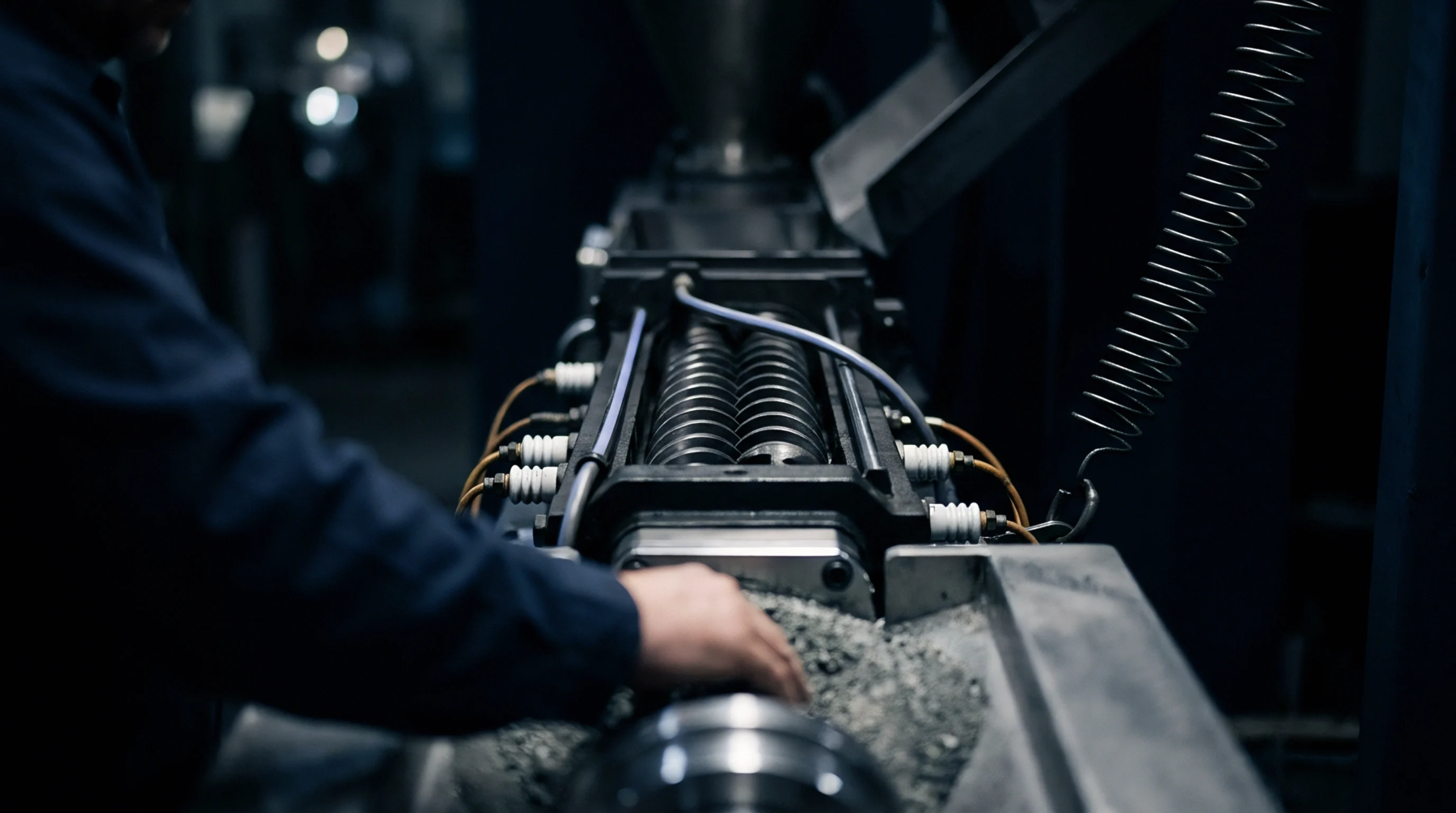
Extruders must generate high surface area renewal to maximize the extraction of volatile contaminants. As described by penetration theory, the devolatilization rate increases when mixing elements constantly expose fresh, un-depleted polymer to the vacuum. This renewal overcomes the slow rate of static molecular diffusion.
Process Design
Compounding lines are configured with specific screw designs to maximize surface renewal rates in the vacuum zones. Integrating penetration theory calculations allows engineers to size the venting zones and select screw speeds that ensure the resin meets residual solvent limits. This sizing prevents the manufacture of out-of-specification material.