Meaning
Import duties and environmental taxes levied on converted plastic containers and raw polymer resins alter global material sourcing economics. Commercial procurement strategies evaluate packaging tariffs when selecting foreign resin suppliers or choosing between virgin and recycled polymer grades. Customs duties directly increase unit material costs and modify the break-even point for capital investments in regional tooling.
Material Sourcing
Duty rate differences between uncompounded primary resins and fully converted plastic articles influence corporate supply chain structures. Factoring packaging tariffs into total cost models encourages manufacturers to import raw polymer pellets for local moulding rather than importing heavy finished parts across borders. Strategic resin purchasing balances primary material landed costs against regional trade agreement exemptions.
Recycled Content
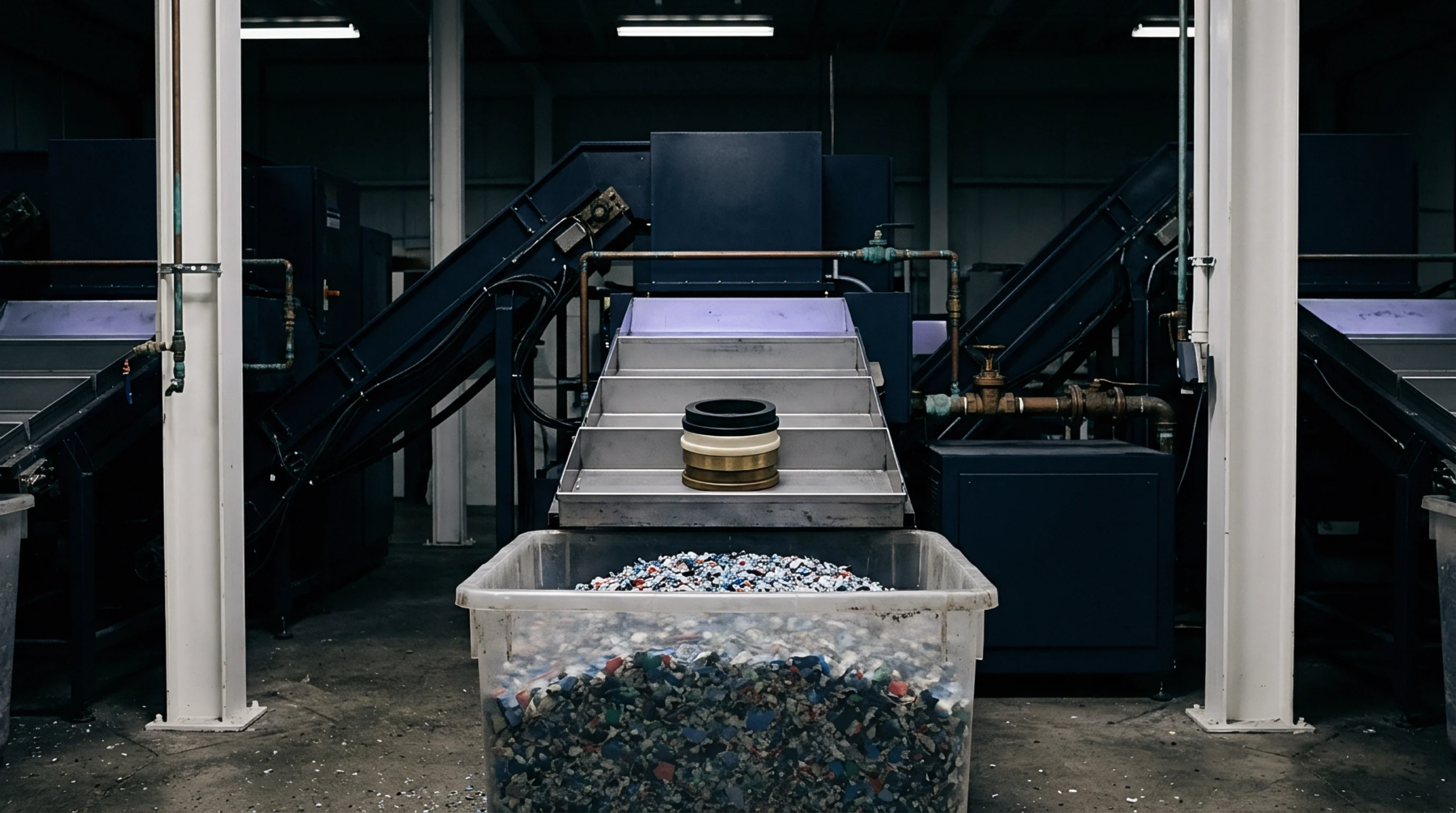
Regional trade policies increasingly impose punitive tax surcharges on single-use plastic packaging failing to meet minimum recycled content thresholds. Escalating packaging tariffs on virgin polymer structures incentivize converters to integrate post-consumer regrind into non-food containers and transport packaging. Financial liabilities under extended producer responsibility frameworks force brand owners to redesign packaging for enhanced recyclability.
Cost Mitigation
Supply chain managers utilize custom duty drawbacks, bonded warehousing, and regional sourcing offsets to reduce tax exposure on cross-border resin movements. Managing packaging tariffs requires continuous auditing of country-of-origin rules and classification codes for complex multi-material barrier structures. Shifts in international trade policy can eliminate profit margins on thin-margin flexible film and blow-moulded container production lines, prompting converters to re-route polymer shipments through duty-free trade corridors or establish joint ventures with domestic resin compounders.