Meaning
Multi-dimensional separation systems couple liquid and gas chromatography to analyze complex mixtures of chemical contaminants in polymeric matrices. Chemists apply liquid chromatography gc-fid to isolate and quantify mineral oil hydrocarbons that have migrated from recycled plastics into food-contact surfaces. This system provides a way to separate mineral oil saturated hydrocarbons from mineral oil aromatic hydrocarbons before quantification.
Instrument Configuration
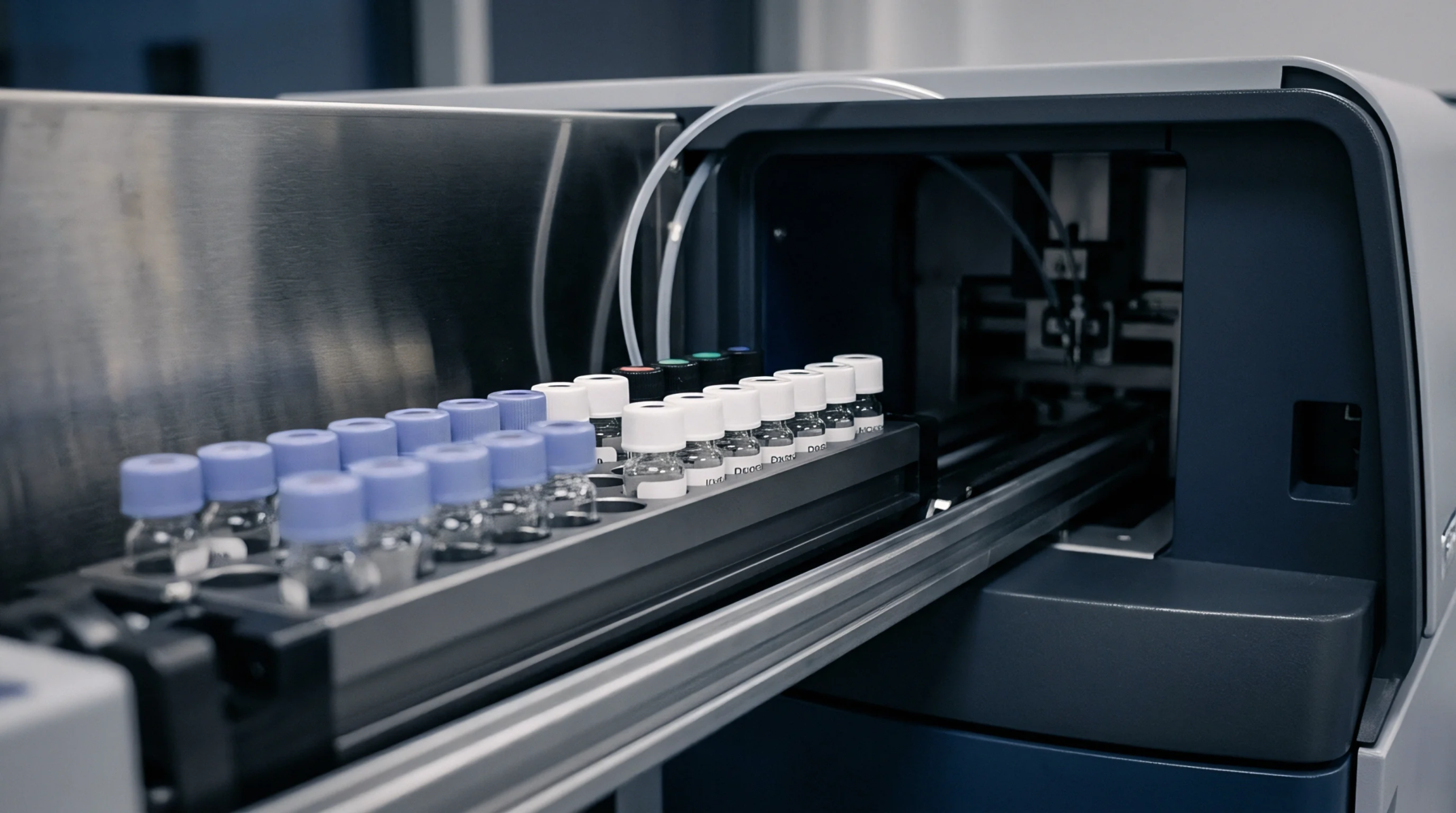
The method uses the liquid chromatography module to pre-separate the extracted sample into distinct chemical fractions based on polarity. Next, the transfer interface injects these fractions directly into the gas chromatography gc-fid module for final separation and high-sensitivity detection. This dual-stage approach prevents the interference from natural fats and waxes that typically obscures hydrocarbon contamination on single-stage analytical instruments.
Moulding Verification
Sourcing recycled resins for high-value applications requires proving that the plastic has been cleared of post-consumer chemical contaminants. Using liquid chromatography gc-fid allows plastic recyclers to verify that their decontamination processes have successfully removed oils and solvents from the plastic regrind. This testing supports the certification of recycled high-density polyethylene for food packaging.
Methodology Limit
High-performance chromatography requires expensive high-purity solvents and helium carrier gas. The equipment is complex to maintain, making it less suitable for quick, routine testing on the factory floor.