Meaning
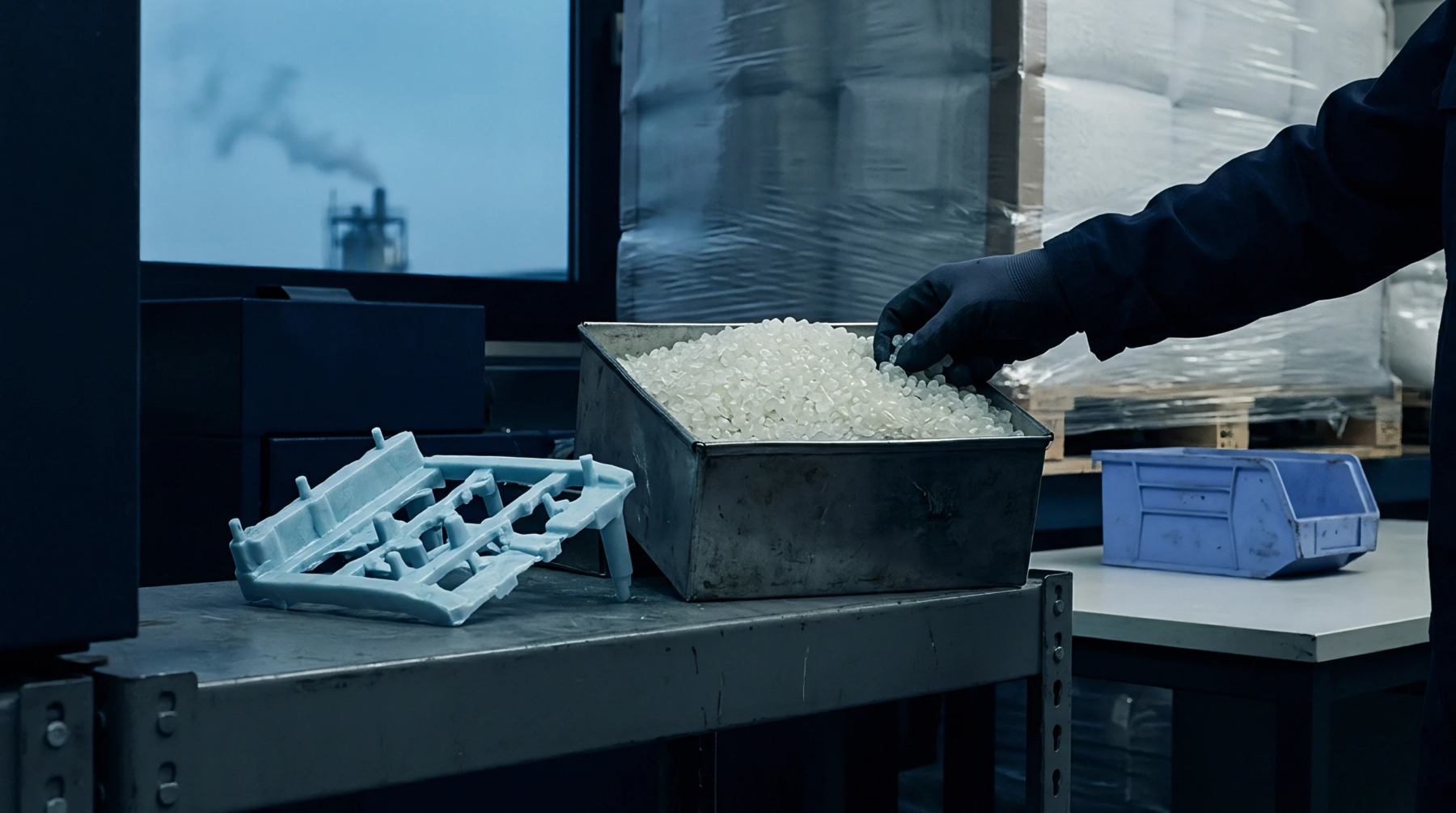
The total expense incurred to manufacture and deliver a finished plastic part to its final destination establishes the profitability of a molding program. This metric, known as landed cost per unit, governs sourcing decisions by including raw material, energy, labor, packaging, freight, and custom duties. It applies to high-volume contract manufacturing runs and excludes one-time tooling development or mold prototyping expenses.
Financial Baseline
Calculating the total delivery cost allows procurement teams to compare domestic production against overseas sourcing options. Landed cost per unit reflects both factory-level variables and transport charges. This total figure determines the actual profit margin of a product lines.
Sourcing Calculation
Material selection and cycle times are the primary factory-level drivers of this cost. Using recycled resin instead of virgin resin lowers the material component, while a multi-cavity mold decreases the cycle time contribution. Freight charges and import tariffs are then added to establish the delivered value of each component.
Yield Consequence
Scrap rates and startup reject volumes inflate the cost of every acceptable part delivered to the warehouse. A process that produces a five percent scrap rate distributes the cost of wasted resin and machine time across the surviving yield. Sourcing managers must balance low unit prices against the risk of receiving defective shipments that require sorting.