Meaning
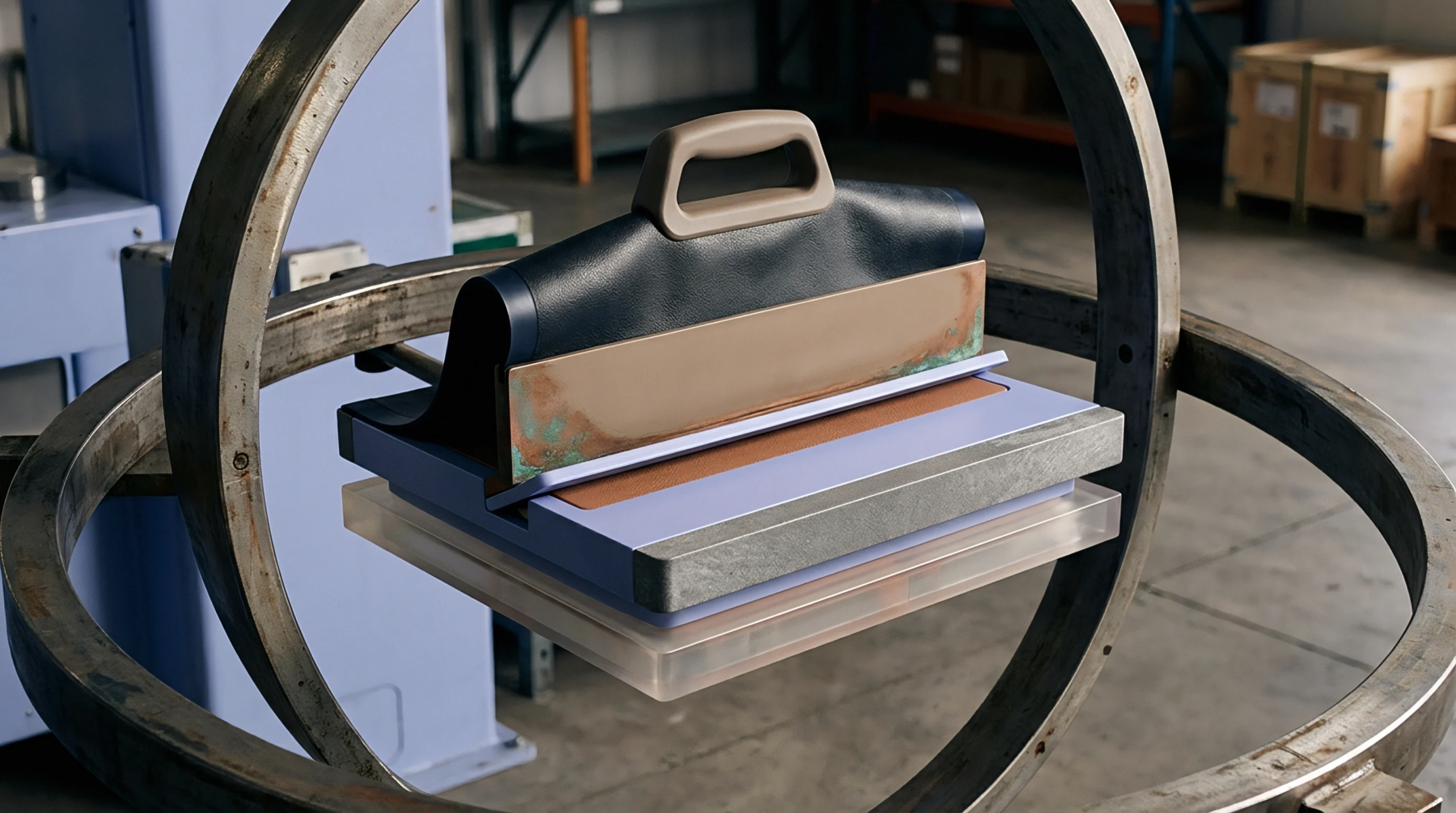
Thermal processes that apply heat and pressure to thermoplastic films using constantly heated metal jaws create hermetic seals in flexible packaging. During hot bar sealing, the heating elements run continuously to maintain a preset temperature, transferring heat through the outer film layers to the sealant interface. This method is highly effective for thick multi-layer laminates but requires precise control to prevent burn-through or inadequate bonding.
Heat Transfer
Energy flows from the hot metal bar through the protective outer carrier layer to melt the inner sealant layer.
Process Variable
Optimization of the process requires balancing jaw temperature and dwell time. If the temperature is set too low, the polymer chains do not diffuse across the interface, resulting in low peel strength. Excessive dwell times or high pressures squeeze molten sealant out of the joint, reducing the thickness and strength of the final seal.
Material Limitation
Thermoplastic films with low thermal resistance can melt or shrink excessively when contacting the heated metal bars. Utilizing a protective release film or a non-stick coating on the bars prevents the polymer from sticking and ensures clean jaw release. Molders and packagers must match the jaw temperature to the specific resin chemistry of the sealant layer.