Meaning
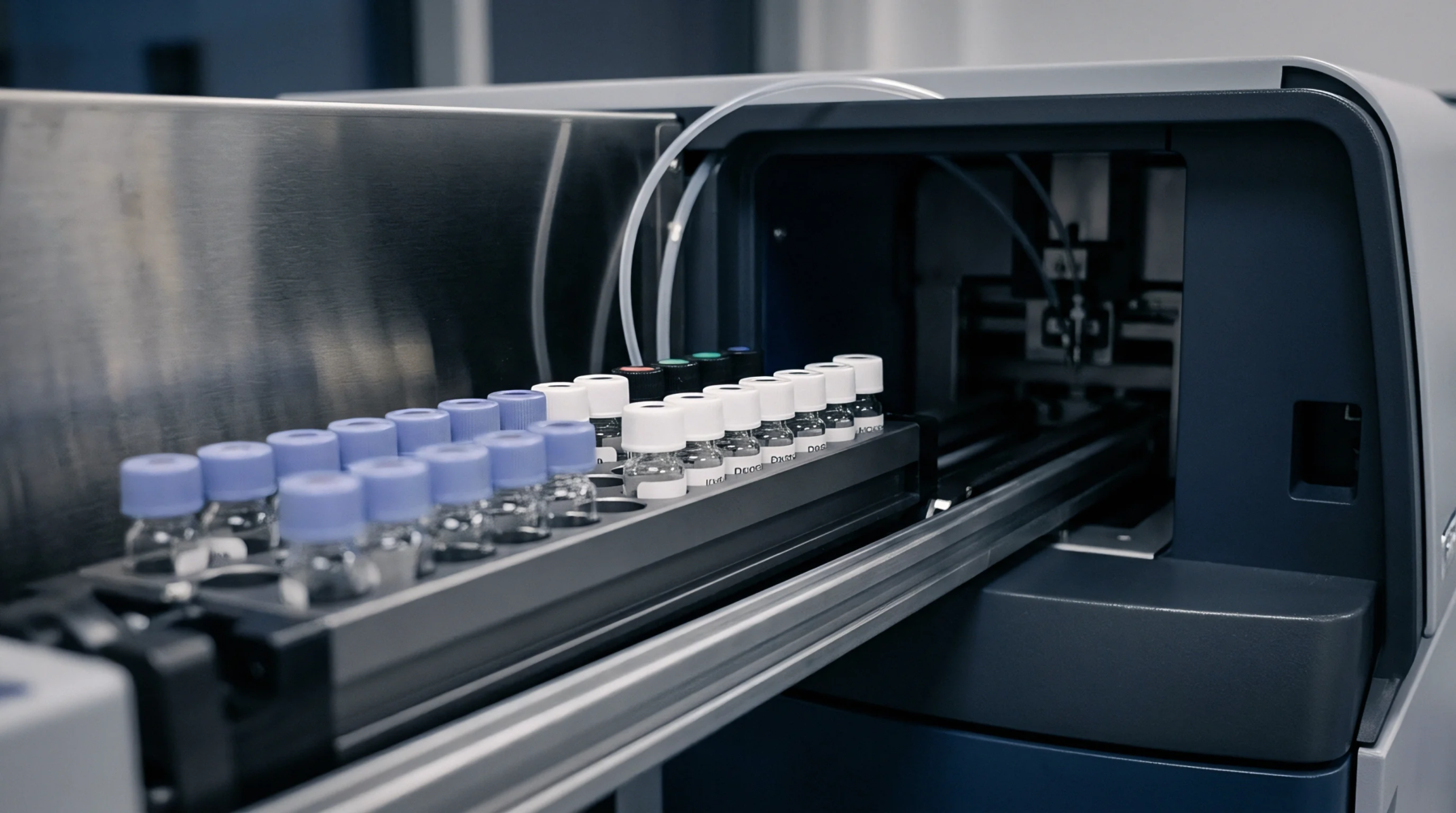
Analytical instrumentation systems separate and quantify volatile organic components extracted from polymer samples. Scientists use gas chromatography flame ionization to measure residual monomer concentrations or processing solvents in moulded plastic components. This technique provides high sensitivity and a linear response for a broad range of hydrocarbons.
Detection Mechanism
Separation of compounds begins by vaporizing the dissolved sample and driving it through a capillary column using an inert carrier gas. As the separated compounds exit the column, the gas chromatography flame ionization system burns them in a hydrogen-air flame to produce ions. These ions generate an electrical current that is proportional to the carbon content of each eluted compound, allowing for precise quantification.
Moulding Assessment
Molders of medical devices and food packaging must ensure that residual compounds do not exceed strict health limits. Utilizing gas chromatography flame ionization allows quality control laboratories to monitor the level of unreacted monomer in polystyrene or acrylic parts before they are shipped. It also helps in identifying when processing temperatures have run too high, causing thermal degradation of the polymer chain.
Analytical Limitation
The system relies on the combustion of carbon atoms to generate the output signal. Consequently, the method cannot detect inorganic compounds or gases that do not burn, such as water or carbon dioxide.