Meaning
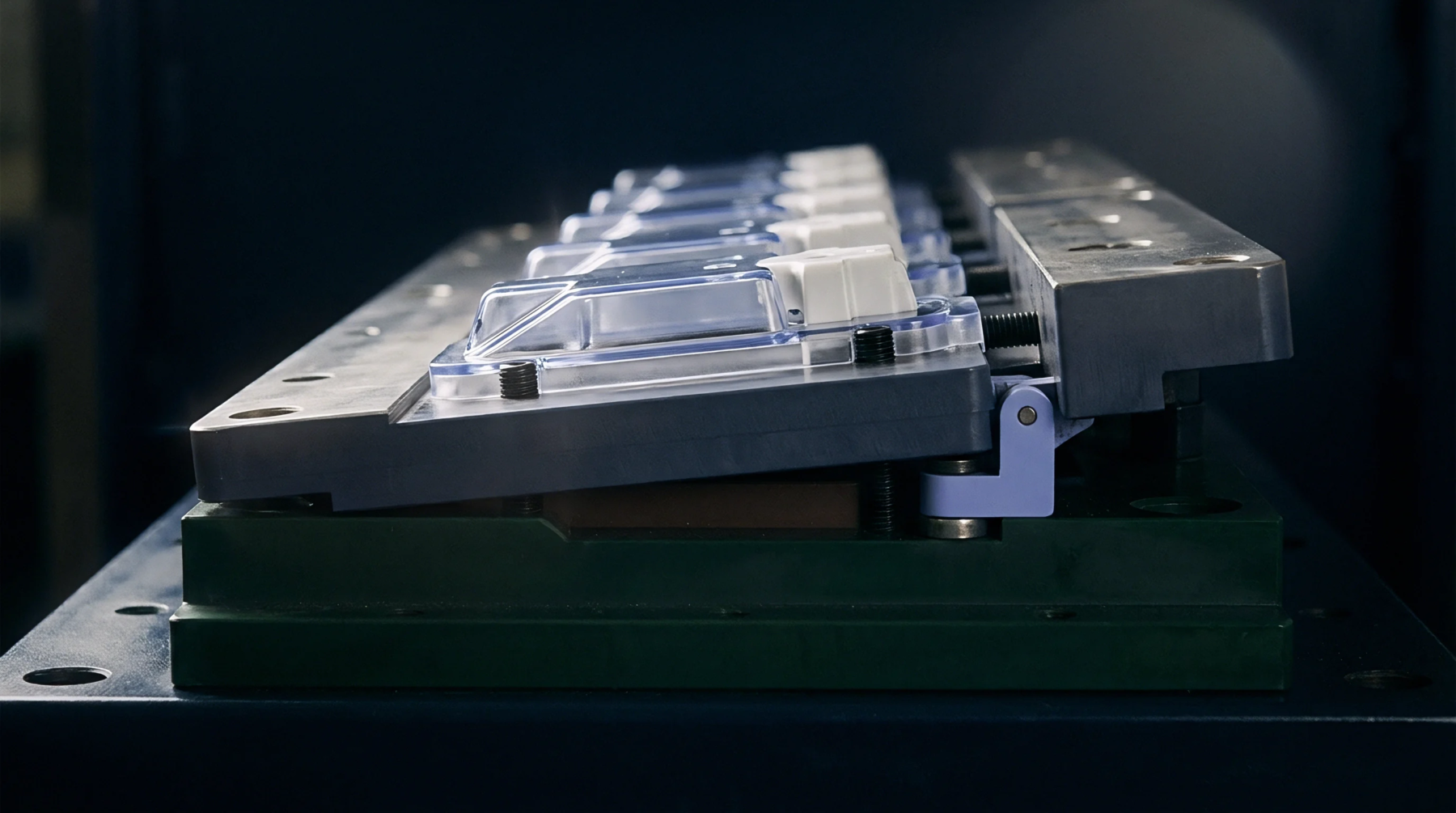
Prototyping tools and reference models machined or cast from thermosetting polymers to represent the final molded part shape are classified as epoxy resin positive. A fabricated epoxy resin positive provides the physical master pattern for creating silicone molds or composite production tooling. It allows engineers to verify assembly clearances and cosmetic features before investing in steel molds.
Master Pattern
Physical modeling requires materials that can be easily shaped yet remain durable under duplicating pressures. An epoxy resin positive is often selected for this role because of its excellent surface finish and ease of hand-finishing or CNC machining. The material can be sanded, polished or painted to replicate the exact surface texture of the planned production component.
Tooling Fabrication
Composite and silicone molding operations rely on the master model to transfer fine details to the soft tool cavity. During this casting step, the epoxy resin positive must withstand the exothermic reaction of the curing silicone or secondary resin without softening. This high thermal resistance ensures that the mold cavities produced from the master remain true to the original design dimensions.
It also prevents surface defects from transferring to the soft tooling material, ensuring high-quality prototype runs.
Dimensional Stability
Environmental resistance is another attribute of these cured thermoset structures. They resist humidity and minor temperature shifts, meaning that the master model can be stored and reused for subsequent tool replication cycles. This consistency ensures that replacement molds match the original specifications exactly.