Meaning
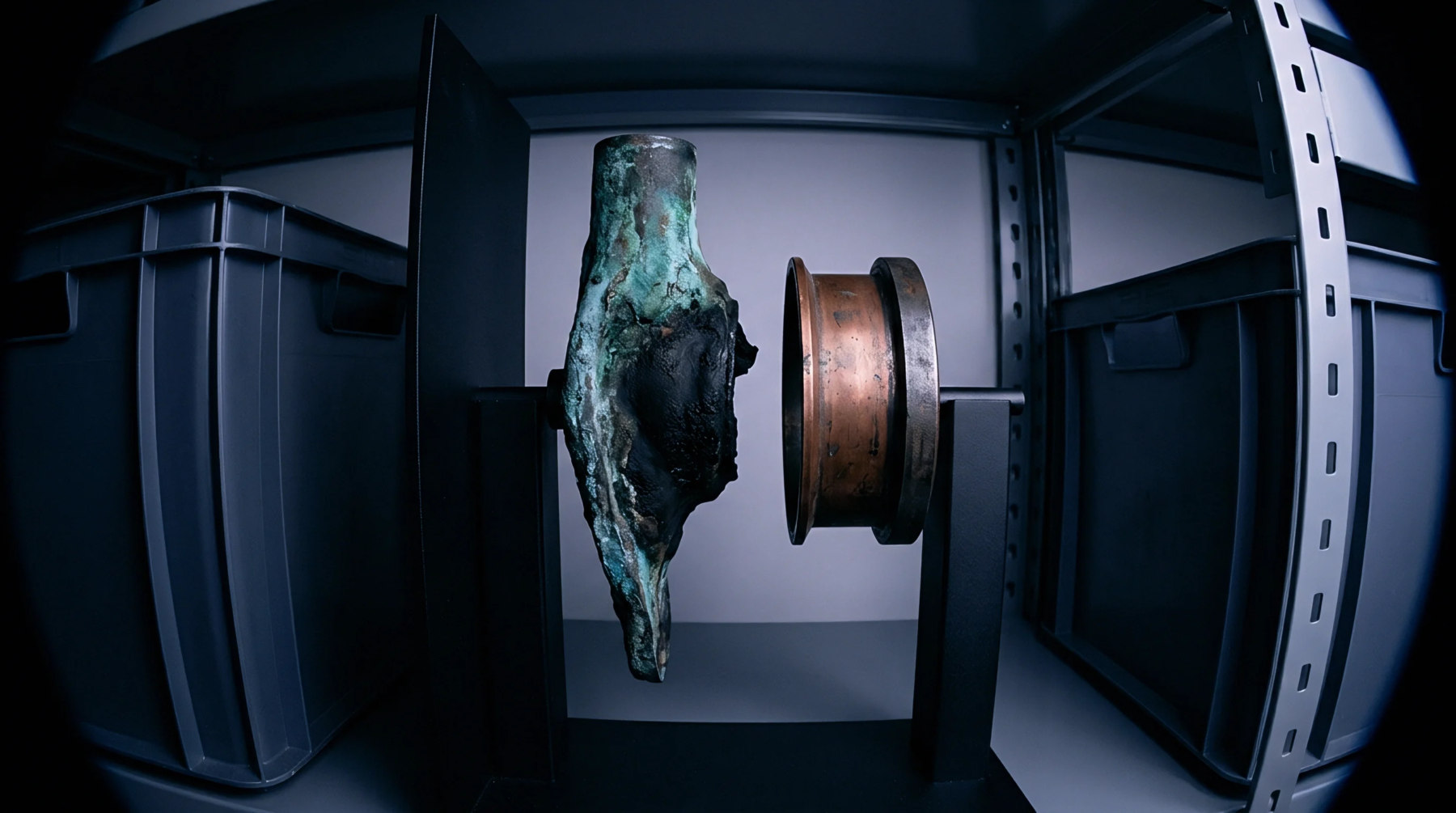
Localized regions of high molecular weight or chemically bonded polymer chains appear as solid imperfections in a smooth melt. Crosslinking gels are often the result of excessive heat or residence time in the extruder, causing the polymer to form a network that no longer flows. These spots are visible in thin films as fish eyes or in moulded parts as hard lumps on the surface.
Thermal Degradation
Prolonged exposure to high temperatures in stagnant areas of the machine promotes the formation of these defects. While crosslinking gels can originate from the resin manufacturer, they are frequently created in the adapter or the die when material hangs up and cooks. Cleaning the screw and barrel regularly helps to minimize the occurrence of these oxidized particles.
Visual Defect
Appearance of a finished part is ruined by the presence of unmolten or charred material. When crosslinking gels are found in a production run, they cause rejection of the parts due to surface roughness or optical flaws. In film blowing, these particles can cause bubbles to pop or create holes that compromise the barrier properties of the packaging.
Structural Impact
Weakness in the polymer matrix occurs around each inclusion because the gel does not bond well with the surrounding plastic. Small crosslinking gels act as stress concentrators that can lead to premature failure under mechanical load. Managing melt temperature and ensuring a steady flow through the equipment are the primary methods for preventing these defects from reaching the customer.
Regular inspection of the melt stream and the use of fine screen packs can capture the largest gels, but the root cause must be addressed by optimizing the stabilization package and the processing conditions.