Polyethylene Film Slip Additive Migration and Surface Accumulation Principles
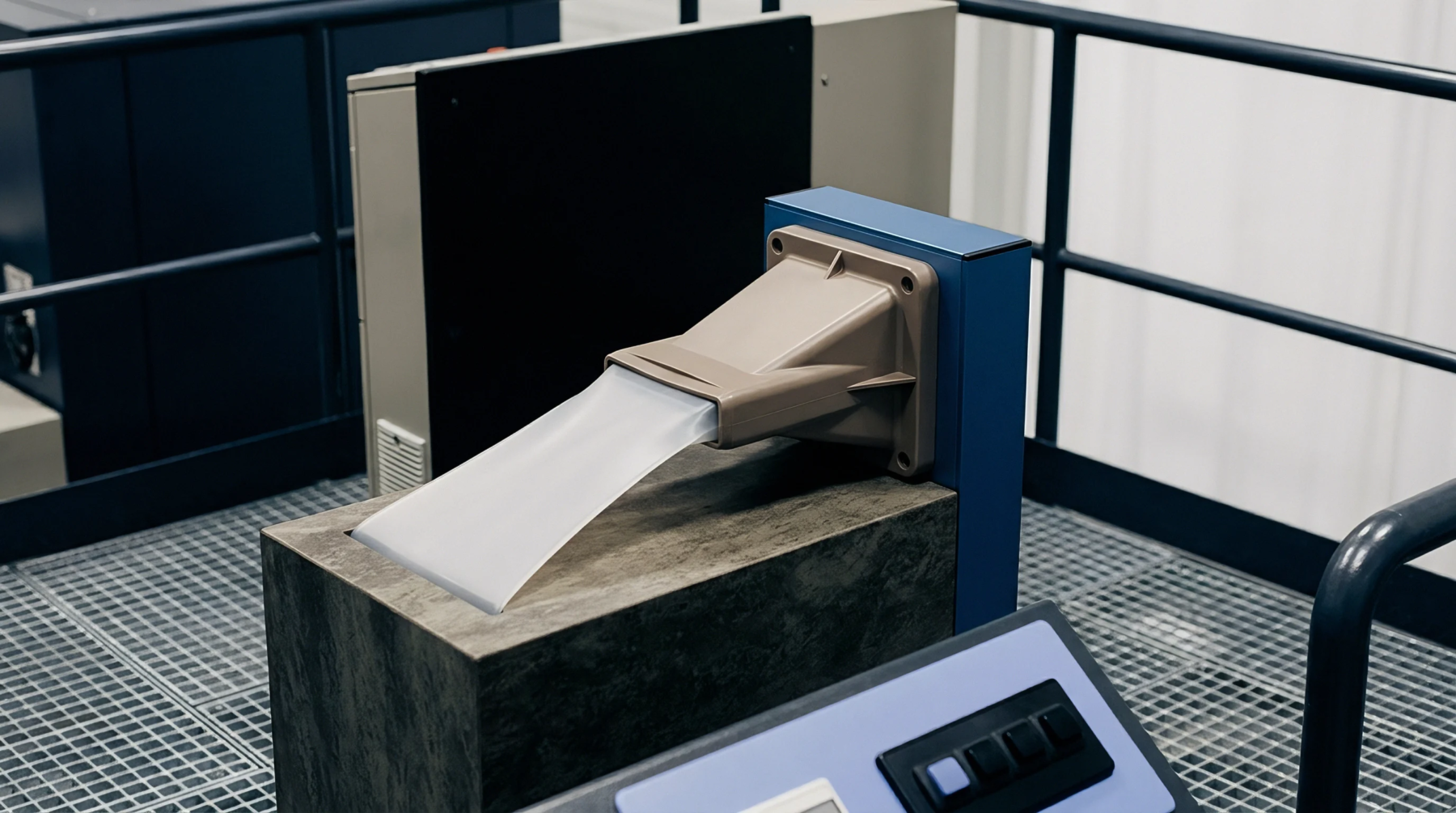
Polyethylene slip amides migrate via matrix supersaturation, dropping film kinetic friction below 0.22 through surface crystallization within 72 hours.
Standard test methods for determining wetting tension of polyethylene and polypropylene films quantify the surface energy of polyolefin substrates through the application of specified liquid mixtures. The procedure in ASTM D2578 establishes whether a non-polar film surface has received sufficient oxidative modification, such as corona or flame treatment, to accept printing inks, coatings, or laminating adhesives. Measurements rely on a series of formulated formamide and ethylene glycol monoethyl ether solutions calibrated to known dynes per centimetre ratings.
Testers apply each liquid mixture across the film using a clean cotton applicator and observe the behaviour of the fluid layer under ambient conditions. The wetting tension corresponds to the highest dyne level of test solution that remains continuous across the substrate for exactly two seconds without rupturing into droplets. Application boundaries terminate at chemically modified surfaces where additives or plasticizers distort wetting behaviour, and the protocol does not evaluate mechanical bonding or chemical adhesion directly.
Surface energy values obtained under this testing protocol correlate with functional polarity introduced during secondary processing. Corona discharge generates polar carbonyl, carboxyl, and hydroxyl groups on the inert polyolefin chain backbone, elevating surface energy above the baseline level of untreated polymer stock. Untreated polyethylene commonly exhibits values near thirty-one dynes per centimetre, whereas effective flexographic printing or polyurethane lamination generally demands values reaching or exceeding thirty-eight to forty dynes per centimetre.
Insufficient treatment yields low readings under astm d2578, manifesting downstream as pinholing, ink flaking, or delamination along sealed interfaces. Conversely, over-treatment induces back-side treatment on wound rolls or degrades the skin layer into low-molecular-weight oxidised materials that weaken peel strength. Additive formulations containing fatty acid amides such as erucamide complicate measurements by migrating to the film exterior, progressively depressing the observed wetting tension as inventory ages.
Environmental variables dictate precision during reagent preparation and execution. Test fluids are hygroscopic and alter their effective tension through atmospheric moisture absorption when containers remain unsealed. Technicians must conduct checks within controlled laboratory conditions, holding temperature at twenty-three degrees Celsius and relative humidity at fifty percent.
Rapid fluid evaporation alters solute ratios on warm film webs, producing false wetting readings that mislead line operators. Cotton swabs cannot be reused between passes, as cross-contamination shifts calibrated dyne thresholds.
In-line production monitoring relies on accurate test translation to avert conversion failures during downstream processing runs. Inadequate corona treater output results in entire master rolls failing downstream lamination quality gates, generating costly scrap or unsaleable printed film. Material specifications stipulate minimum initial dyne thresholds alongside aged values, compensating for natural decay caused by additive bloom and environmental exposure.
Processing facilities balance treat levels against thermal heat-seal degradation, because aggressive surface oxidation narrows the effective heat-sealing temperature window on vertical form-fill-seal packaging equipment.
Polyethylene slip amides migrate via matrix supersaturation, dropping film kinetic friction below 0.22 through surface crystallization within 72 hours.
Expertise is a utility, not a secret. sentiention™ publishes its working knowledge as open reference: intelligence layer covering the materials it sources, the markets it enters, and the reference that serves both.