Meaning
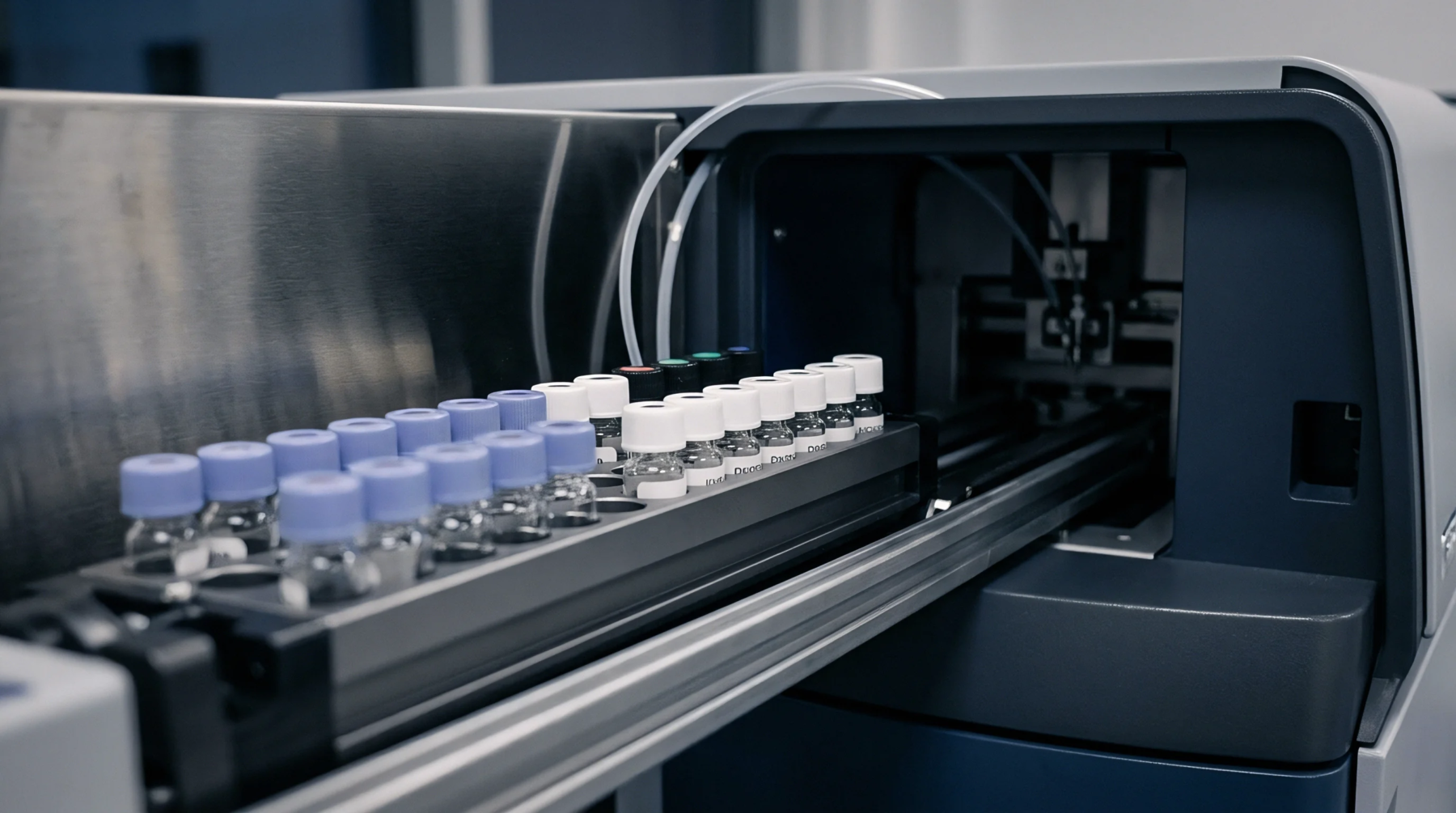
Quantitative solubility assessment classifies polymer mixtures by separating individual components based on their distinct affinity for a heated solvent bath. xylene solvent fractionation determines the weight fraction of crystalline and amorphous regions within semi-crystalline materials like polyethylene or polypropylene. This procedure requires the slow cooling of a solution to promote selective precipitation at specific temperature intervals.
Extraction Mechanism
Careful thermal control allows the resin to exit the dissolved state as the temperature drops. As cooling progresses, high density chains with higher melting points solidify and deposit from the xylene medium. Low density or highly branched molecules remain suspended in the solvent due to increased solubility at lower temperatures.
Separation occurs when the analyst filters these precipitated portions from the supernatant liquid at designated set points.
Material Specification
Resin producers use this analysis to define the tactical composition of thermoplastic grades intended for high performance end uses. A manufacturer confirms the structural consistency of virgin feedstock by checking the ratio of these soluble and insoluble phases against baseline target values. Regrind contamination often appears as a variance in the expected solubility profile compared to clean production batches.
Laboratory results from these tests provide a reliable predictor of the impact strength and long term durability of the finished product.
Processing Impact
Inconsistent polymer morphology shifts the cooling curve of a moulded part, which leads to unpredictable shrinkage patterns inside the tool. Excessive variation in the solubility distribution results in internal stresses that weaken the moulded geometry and force a higher reject rate during quality inspection. A moulder maintains part tolerances by verifying that incoming material exhibits stability across these fractionation stages throughout every production run.