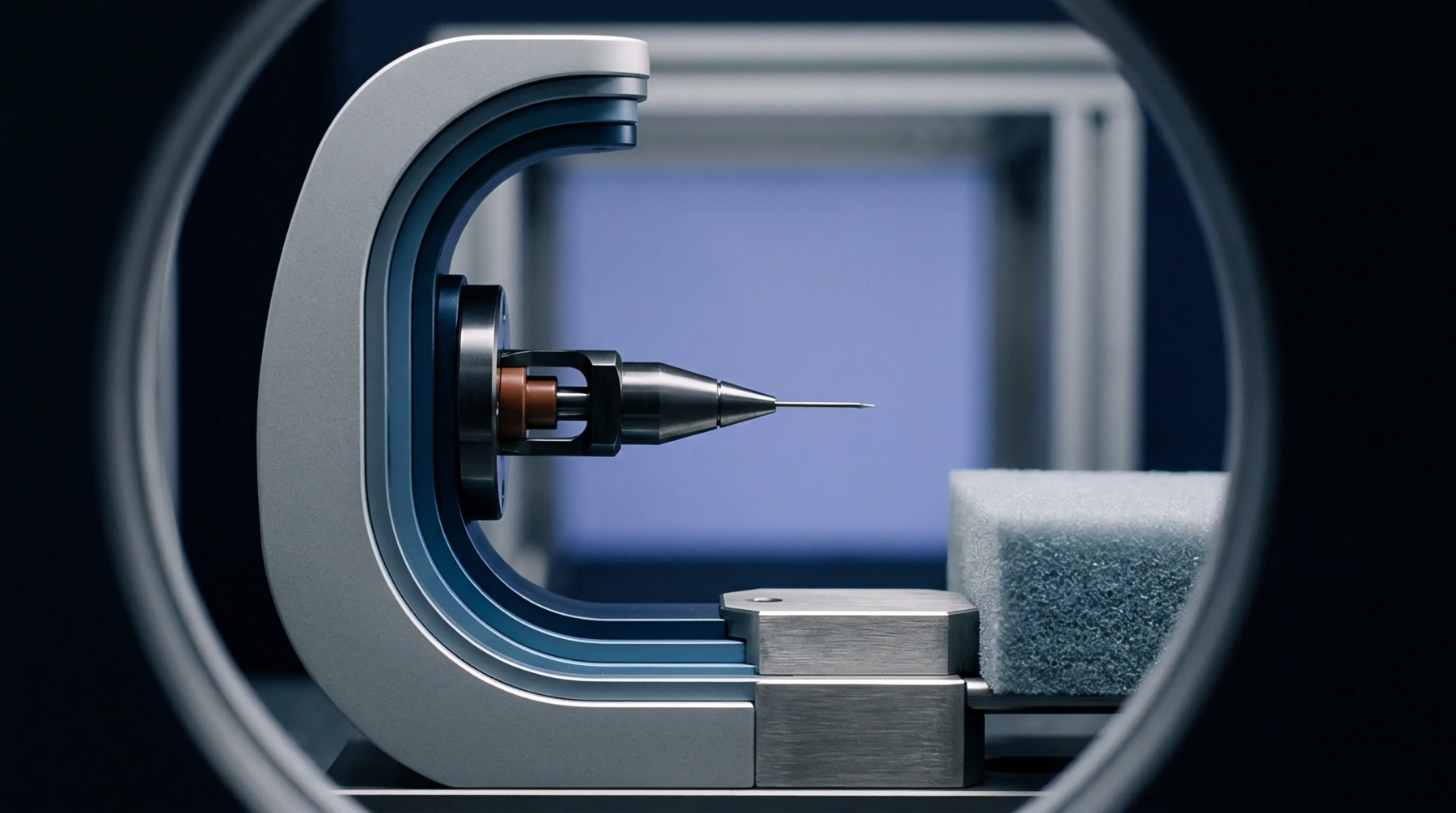
Meaning
High-pressure liquid separation represents an analytical technique that uses extremely small particle columns and high operating pressures to separate and analyze the components of a complex chemical mixture. In the polymer industry, ultra high performance liquid chromatography allows for the rapid identification of migrating substances and residual monomers in moulded plastic components. This method helps manufacturers ensure that their products comply with regulatory limits for chemical migration, which prevents the contamination of food or medical liquids that contact the finished parts.
Quality Inspection
Rapid separation allows laboratories to analyze dozens of resin samples every day. Using ultra high performance liquid chromatography to monitor incoming polymer shipments ensures that any incorrect additive level is detected before processing starts.
Moulding Application
Moulders can optimize their processing parameters by tracking the degradation of heat-sensitive stabilizers during production. If the stabilizer levels in the molded part are significantly lower than in the virgin resin, it indicates that the melt temperature or residence time is too high. Adjusting the machine parameters preserves the additive and ensures long-term part durability.
Operational Constraint
The high cost of columns and ultra-pure solvents limits the use of this technique to specialized quality control labs. It cannot be used directly next to the moulding machine, which means results must be waited for. However, the high speed and resolution of the scan make it a necessary tool for high-volume moulders who require absolute chemical certainty.