Meaning
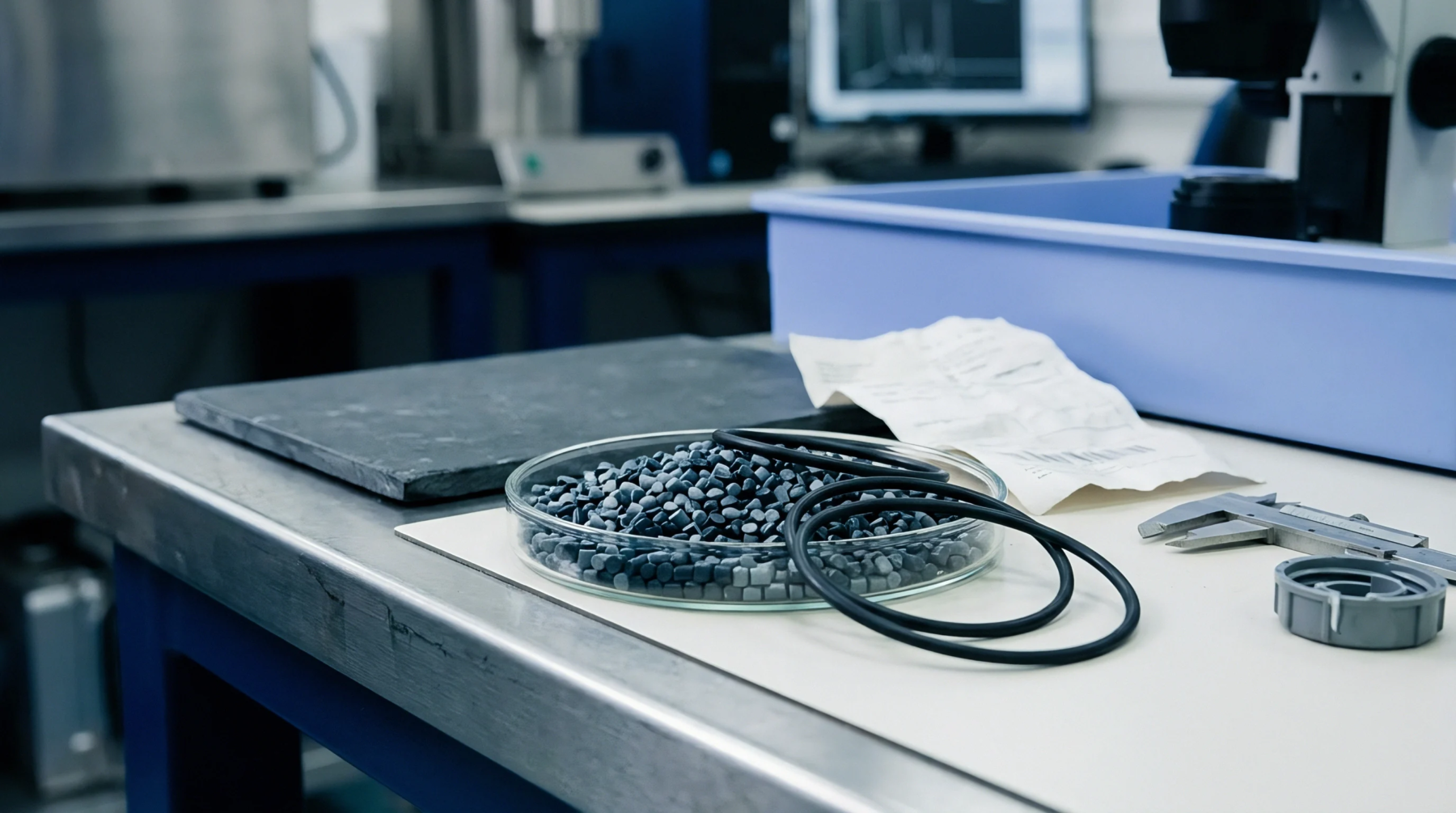
Batch mixer characterization methods measure the resistance to flow of a polymer melt under controlled temperature and rotational speed. In compounding laboratories, torque rheometry provides a practical way to analyze the processing behavior of resins and compounds. This methodology records the torque required to rotate the mixing blades as a function of time.
Process Simulation
Compounding in a twin-screw extruder can be simulated in a laboratory batch mixer. Through torque rheometry, researchers can replicate the shear forces and thermal conditions of production-scale equipment. This simulation generates a torque curve that reflects the energy required to melt and compound the polymer.
Melting Behavior
Fusion characteristics of rigid polymers are evaluated by tracking the torque peaks during the initial mixing phase. As the polymer pellets melt, torque rheometry records a sharp increase in torque that corresponds to the compaction and fusion of the material. After complete melting, the torque decreases to a stable plateau as the melt viscosity equilibrates.
Additive Optimization
Evaluating the performance of lubricants and processing aids is simplified by comparing these curves. By analyzing the time and torque at the fusion point, torque rheometry helps compounders select the correct concentration of internal and external lubricants. This testing prevents problems such as over-lubrication, which can cause screw slippage in subsequent production steps.
This optimization is crucial for maintaining consistent melt flow and preventing degradation during long production runs.