
Polyolefin Low Molecular Weight Extraction and Migration Testing
Polyolefin migration compliance requires batch-specific testing for low molecular weight hydrocarbons using accredited simulants, exact temperatures, and GC-MS.
Polyolefin migration compliance requires batch-specific testing for low molecular weight hydrocarbons using accredited simulants, exact temperatures, and GC-MS.

Automated baseline correction with airPLS and spectral deconvolution resolves coeluting NIAS peaks in polymers down to the 10 ppb toxicological threshold.

High-resolution mass spectrometry screening paired with surrogate semi-quantification establishes food-contact compliance for post-consumer polyolefins.
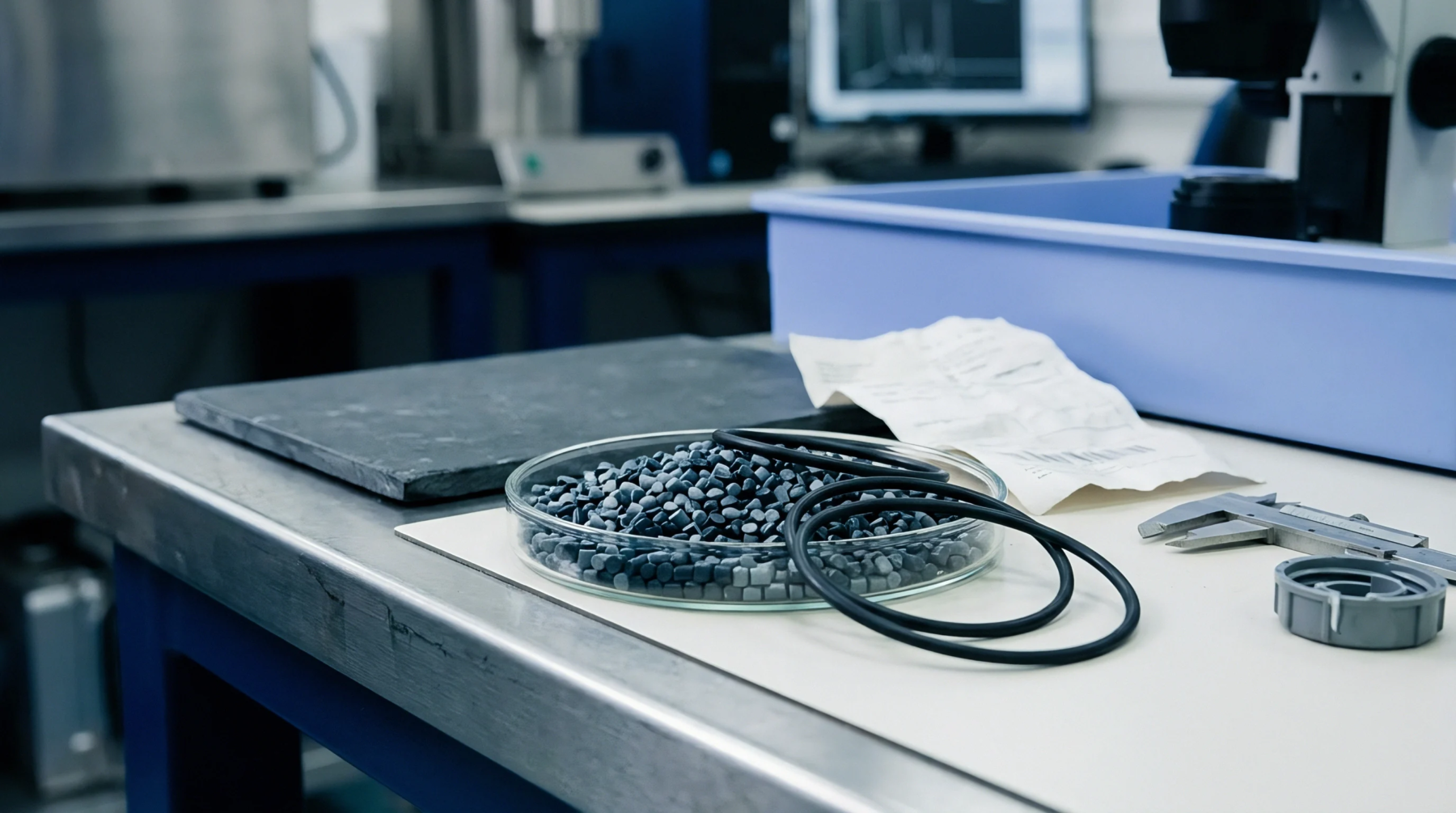
Mass spectrometry NIAS risk analysis quantifies unknown contaminants in recovered polypropylene using TTC thresholds to defend food-contact compliance dossiers.
Expertise is a utility, not a secret. sentiention™ publishes its working knowledge as open reference: intelligence layer covering the materials it sources, the markets it enters, and the reference that serves both.