Meaning
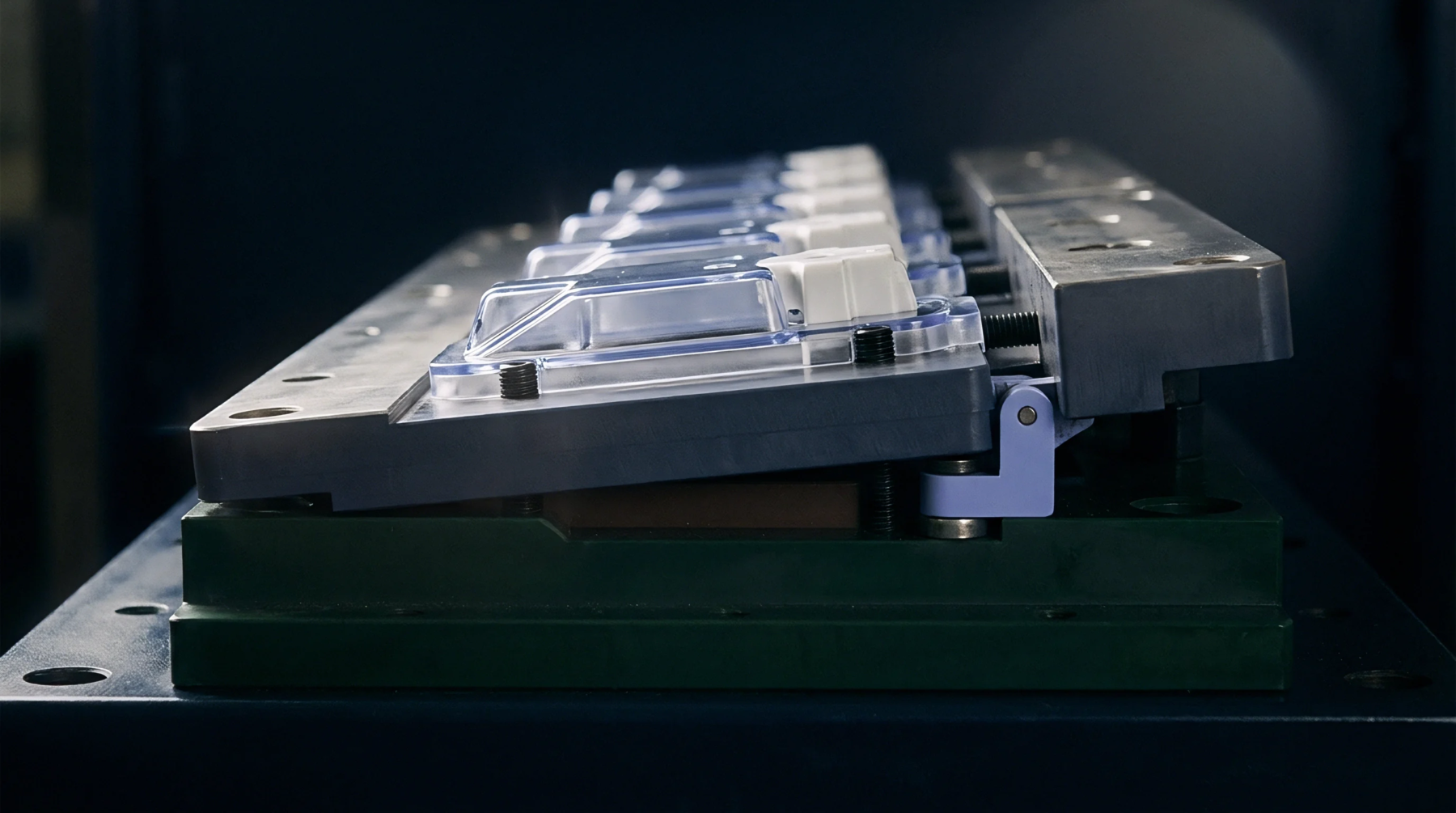
Mechanical resistance forces oppose the forward linear motion of ejector pins and stripper plates during part demoulding. Excess ejector force friction occurs when shrinkage grip and low draft angles create high mechanical resistance against tool steel walls. The resistance increases hydraulic pin stress and can cause pin deflection or flash formation during ejection.
The boundary of this phenomenon stops when parts fully detach from core inserts and clear the parting line.
Interfacial Shearing
Dynamic contact between cooling polymer surfaces and hardened steel cores generates reactive drag forces during mechanical demoulding. High ejector force friction forces ejection pins to exert localized pressure against the cooling polymer shell, risking pin indentation or white stress marks. Smooth core polishing reduces mechanical interlocking between plastic and steel.
Increasing draft angles lowers the required mechanical work needed to break interfacial adhesion.
Process Stability
Automated monitoring of ejection hydraulic pressure curves provides real-time detection of mechanical binding and core deposit buildup. Elevated ejector force friction indicates insufficient mould release or excessive packing pressure that forces resin into tool micro-grooves. Machine safety circuits halt automated cycling when ejection force thresholds breach programmed safety limits.
Consistent force profiles confirm stable cycle execution without mechanical drag.
Defect Prevention
Proper mold maintenance and localized core lubrication mitigate pin wear while preventing part deformation during demoulding. Uncontrolled ejector force friction leads to bent ejector pins and damaged core inserts. High thermal expansion of pins relative to cavity plates causes binding within slide guides.