Meaning
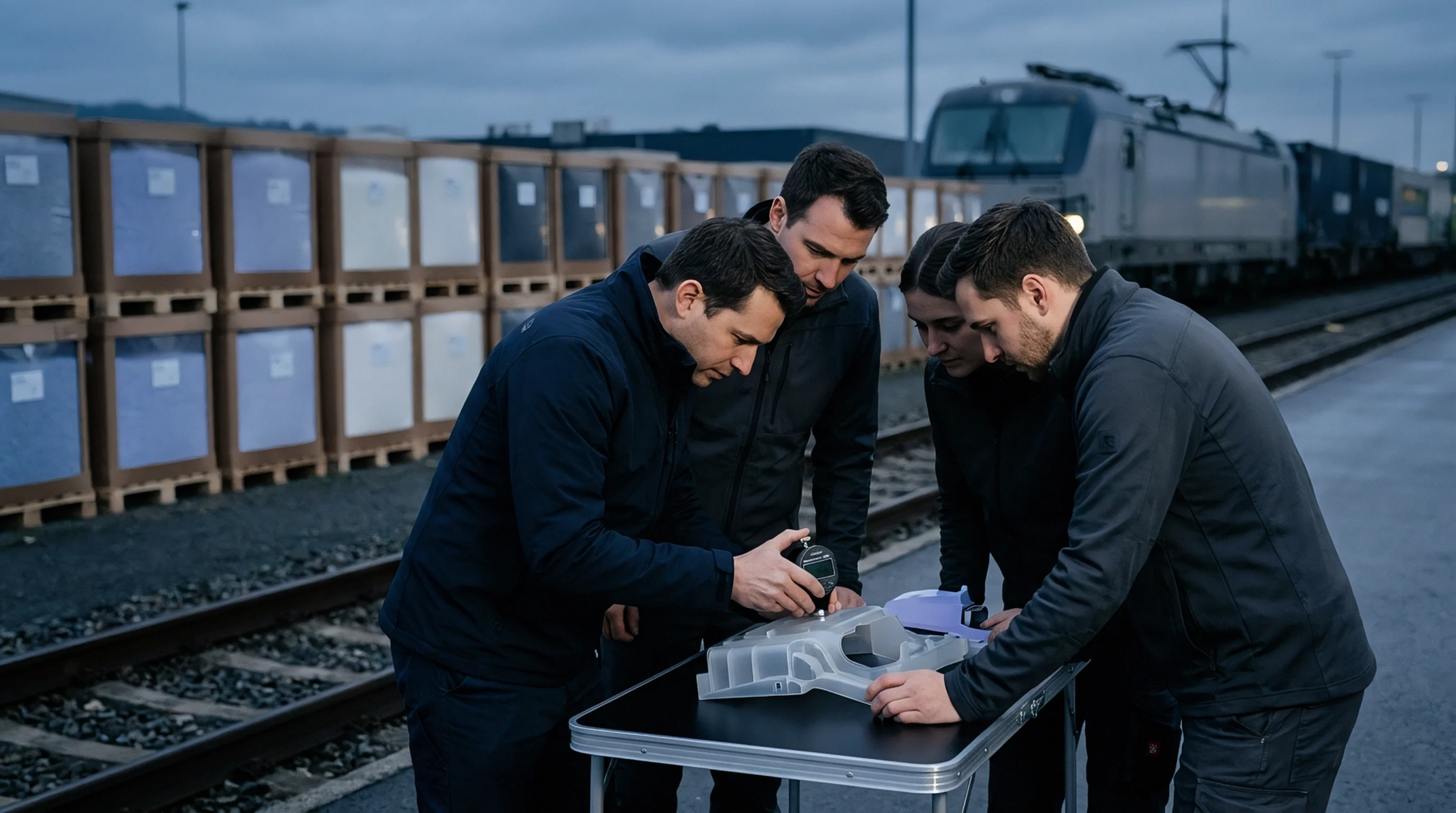
Quantification of physical displacement over time forms drift measurement when tooling dimensions shift during high pressure thermoplastic moulding. Injection pressure and barrel temperature create continuous mechanical stress that deforms steel cavities beyond acceptable dimensional limits. Production cells apply tactile probes and optical scanners to track these deviations against the baseline CAD model.
Dimensional stability depends entirely on how well the machine operator controls barrel temperature during extended production cycles.
Thermal Variance
Processing temperatures govern molecular relaxation rates inside amorphous polymers like polycarbonate and semi crystalline resins like polybutylene terephthalate. Molten material entering the cold steel gate experiences rapid contraction that produces internal residual stress fields. Thermocouples embedded inside the mold base record thermal gradients that directly indicate impending dimensional creep.
Cooling channels blocked by mineral scale cause localized hotspots which accelerate cavity wall expansion.
Resin Economics
Virgin polymer pellets maintain consistent melt flow indices that yield predictable volumetric shrinkage rates across standard cooling cycles. Regrind material introduces molecular chain degradation which alters viscosity and shifts the final shrinkage factor downward. Recycled feedstock compounds lower raw material expenditure while simultaneously increasing dimensional variance during cavity packing.
Process technicians adjust holding pressure profiles to compensate for batch variations in melt density.
Part Specification
Finished component tolerances separate raw material properties from final geometric requirements defined on engineering drawings. Nominal dimensions established for automotive housings dictate allowable shrinkage limits before structural assembly interference occurs. Datasheet values published by resin manufacturers represent ideal laboratory conditions rather than the actual performance of a worn production tool.
Tooling adjustments counteract systematic geometric deviation before rejected parts accumulate in the production stream.