Meaning
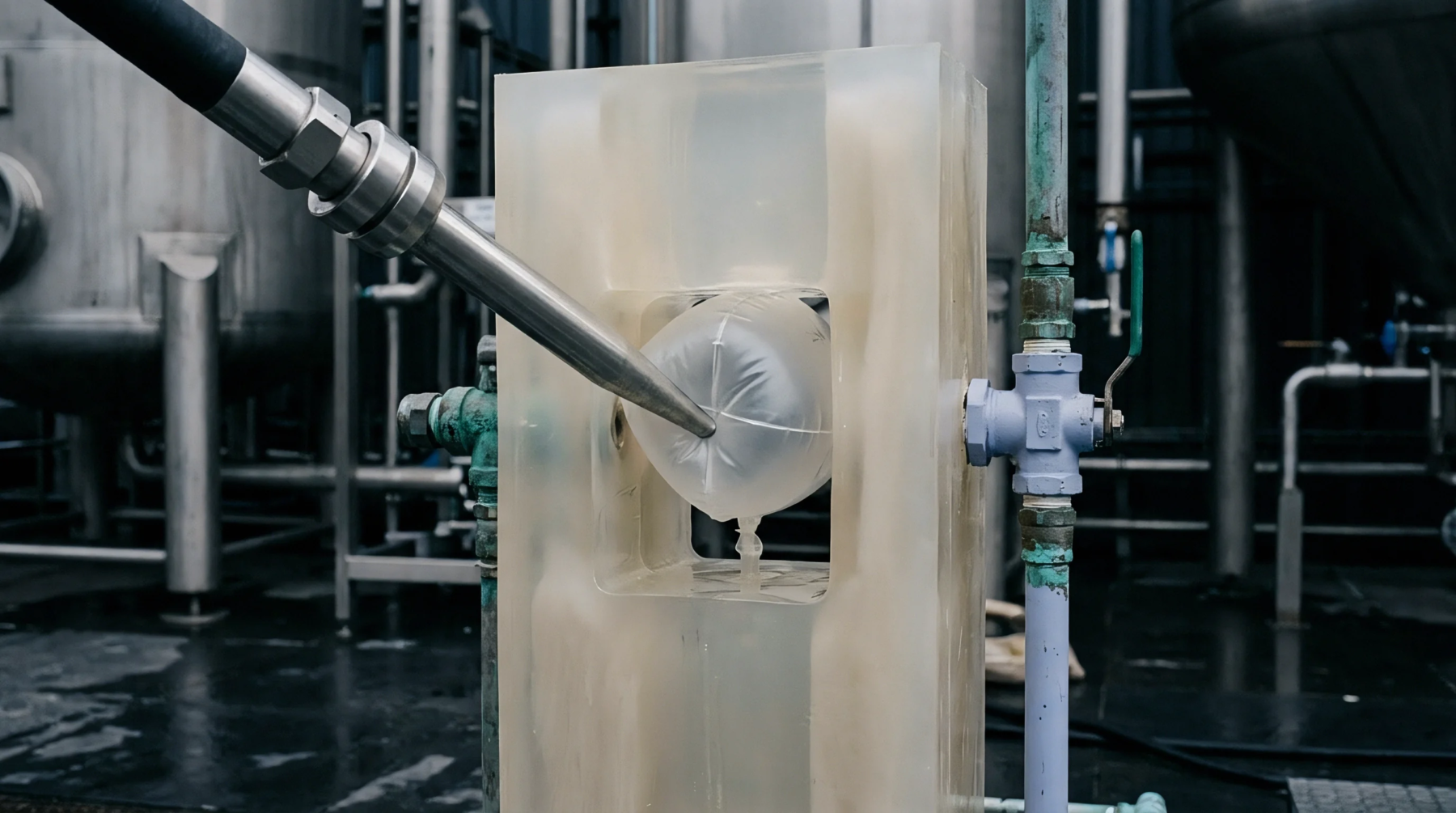
An aromatic diisocyanate monomer used in the synthesis of polyurethane elastomers, foams, and adhesives provides the chemical basis for high-performance reactive molding compounds. In the reaction injection molding sector, diphenylmethane diisocyanate reacts with polyols to form tough, durable polymer networks. This material is highly valued for its reactivity and the mechanical strength it imparts to the finished components.
Polymer Synthesis
Polyurethane networks form through the addition reaction between the isocyanate groups of the monomer and the hydroxyl groups of a polyol. This exothermic reaction proceeds rapidly without the generation of volatile byproducts, making it ideal for reaction injection molding. The ratio of these two components must be precisely balanced to avoid unreacted groups that would compromise the polymer structure.
An excess of polyol results in a soft, sticky material with poor mechanical strength, whereas an excess of isocyanate yields a brittle polymer that is prone to cracking during demolding or subsequent handling.
Occupational Exposure
Vapor pressure of this monomer is low at room temperature, but heating the material during processing can generate hazardous airborne concentrations. Industrial facilities must implement effective ventilation and automated dosing systems to protect workers from respiratory sensitization. Regular monitoring of the work environment ensures that exposure levels remain well below regulatory limits.
Regulatory Standard
Food contact applications of polyurethane materials are subject to strict limits on the migration of residual diisocyanates. The cured polymer must be tested to ensure that any unreacted monomer remains locked within the matrix or has been completely consumed. This compliance step is necessary to meet international food safety requirements for flexible packaging adhesives.