Meaning
Volatile low molecular weight oligomer migrating within polyester matrices determines thermal degradation behavior during high temperature moulding operations. This specific cyclic tetramer originates from incomplete polycondensation reactions during virgin resin synthesis, remaining trapped inside amorphous polymer domains until thermal activation drives diffusion toward surfaces. Moulder processing windows must restrict melt temperatures below standard thresholds to prevent excessive molecular mobility from precipitating plate out defects on steel tooling surfaces.
Uncontrolled oligomer accumulation clogs tool venting channels, distorts optical clarity in extruded films, and reduces dielectric performance in electronic encapsulation components. Resin manufacturers control residual fractions through post polymerization solid state vacuum treatment, shifting raw material baseline metrics before processors receive the polymer.
Extraction Kinetics
High temperature residence time inside barrel heating zones governs how rapidly dissolved oligomers migrate toward external boundaries under shear stress. Screw designs featuring inadequate compression ratios exacerbate phase separation by failing to dissolve low molecular weight fractions uniformly into the continuous polymer melt. Production managers track melt flow rate deviations as an indirect indicator of oligomer accumulation, since depolymerization reactions generate additional volatile fragments over extended cycle times.
Virgin material specifications maintain strict maximum allowable parts per million limits to protect downstream operations from plate out contamination. Regrind incorporation drastically alters migration profiles because repeated thermal exposure cleaves polymer chains, increasing the low molecular weight fraction available for surface blooming.
Defect Mechanics
Deposited oligomer crystals on cavity surfaces interfere with replication fidelity, transferring matte spots onto high gloss injection moulded automotive lenses. Tooling maintenance crews remove accumulated white powdery buildup using specialized non abrasive solvents during scheduled press shutdowns to prevent localized surface pitting. Part specifications demand rigorous solvent extraction testing on finished medical housings to ensure migrating residues do not leach into contact fluids during sterilization cycles.
Extrusion lines processing unstable resin grades suffer continuous die buildup, forcing frequent line stoppages and reducing overall manufacturing yield across long production runs. Moulders compensate for high baseline concentrations by lowering injection speeds, which reduces frictional heat generation and suppresses molecular migration toward the boundary layer.
Thermal Stability
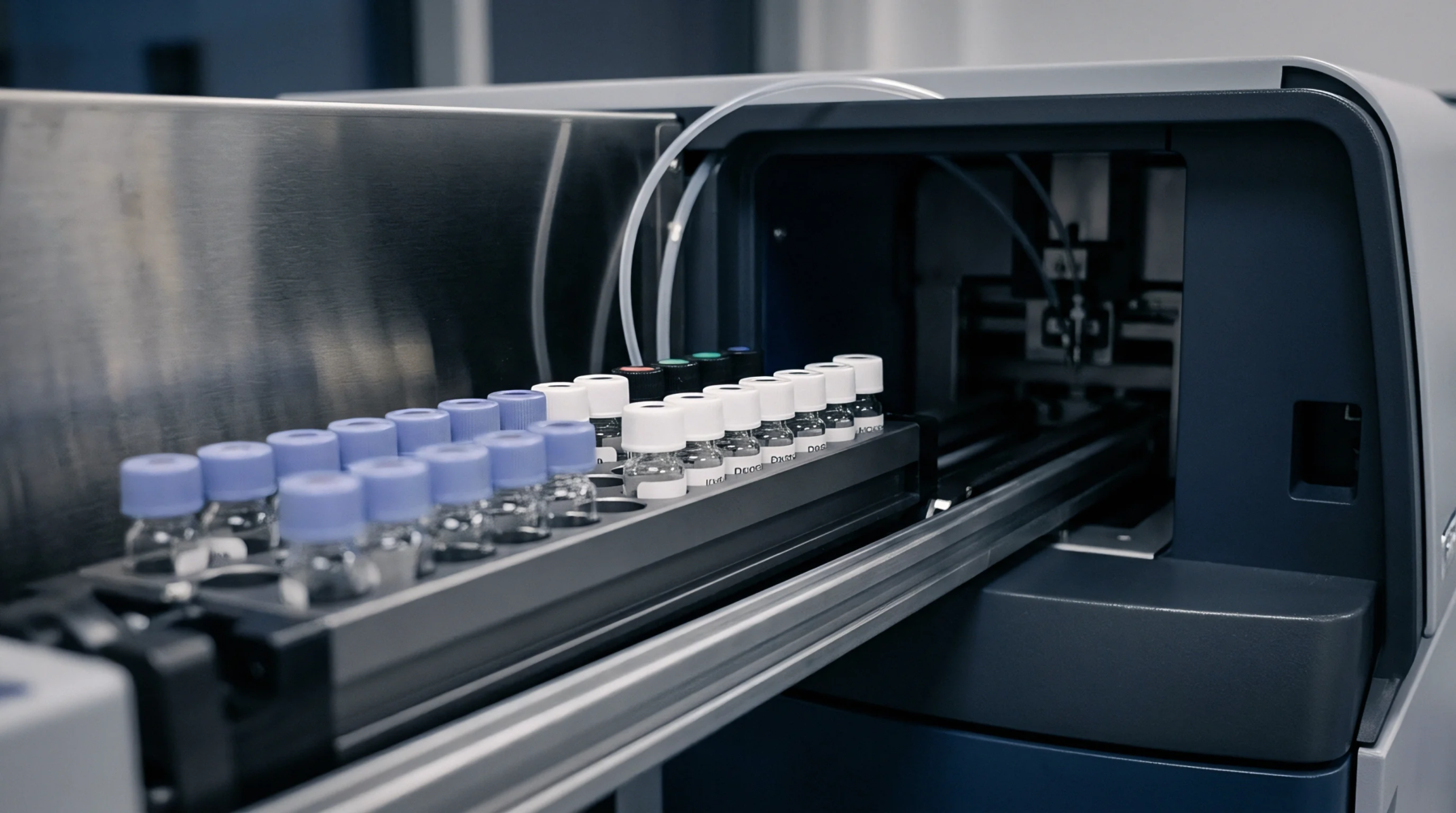
Differential scanning calorimetry measures the exact melting endotherm associated with crystalline oligomer domains embedded within amorphous polyester plaques. Elevated levels depress the overall glass transition temperature, narrowing the viable processing window between material degradation and incomplete mould filling. Analytical laboratories quantify residual fractions using solvent dissolution followed by liquid chromatography separation to verify compliance with stringent food contact regulations.
Component failure analysis frequently links premature mechanical joint embrittlement to localized stress concentration caused by aggregated oligomer pockets near weld lines. Finished articles maintain structural integrity only when polymer manufacturing controls restrict volatile oligomer generation below critical thresholds throughout the initial polycondensation cycle.