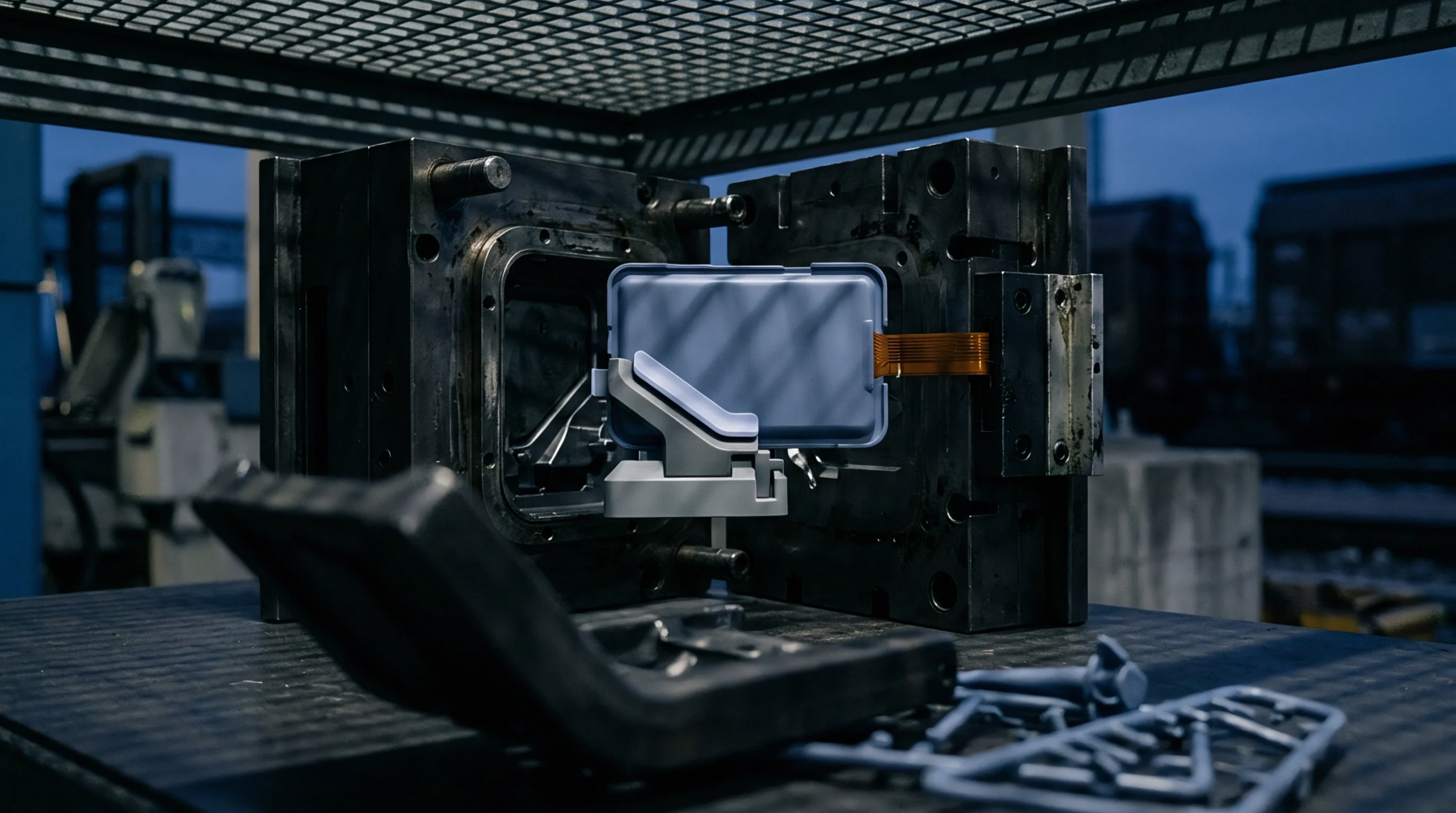
Meaning
Fluid distribution hardware provides a parallel path for thermal transfer agents circulating through mould cavities. A coolant manifold organizes input supply lines into distinct circuits to manage localized heat loads within injection tools. Its assembly prevents uneven temperature gradients that otherwise trigger internal stress or warpage in finished components.
Process Regulation
Injection moulding relies on these hubs to maintain precise control over polymer solidification. The unit regulates volumetric flow rates across multiple channels by balancing back pressure against the primary chiller output. When thermal exchange becomes non-uniform, inconsistent crystallization occurs in high-density polyethylene or polypropylene resins.
This variation leads to dimensional instability which compromises parts that require tight tolerances or thin walls.
Thermal Geometry
Cooling efficiency depends on the arrangement of internal bore diameters and port spacing. Engineers size these connections to avoid excessive pressure drops while ensuring that every circuit receives an equal volume of tempered water or glycol. Proper layout ensures that the mould face reaches a set temperature range before the next cycle initiates.
System Integrity
Robust construction of this plumbing component dictates the lifespan of a tool under high-pressure conditions. O-ring seals and threaded brass fittings prevent leakage that degrades both the surface finish of the moulded product and the internal channels of the steel mould. Reliable sealing ensures that contaminants do not enter the fluid stream, which otherwise blocks ports and causes localized overheating during extended production runs.