Meaning
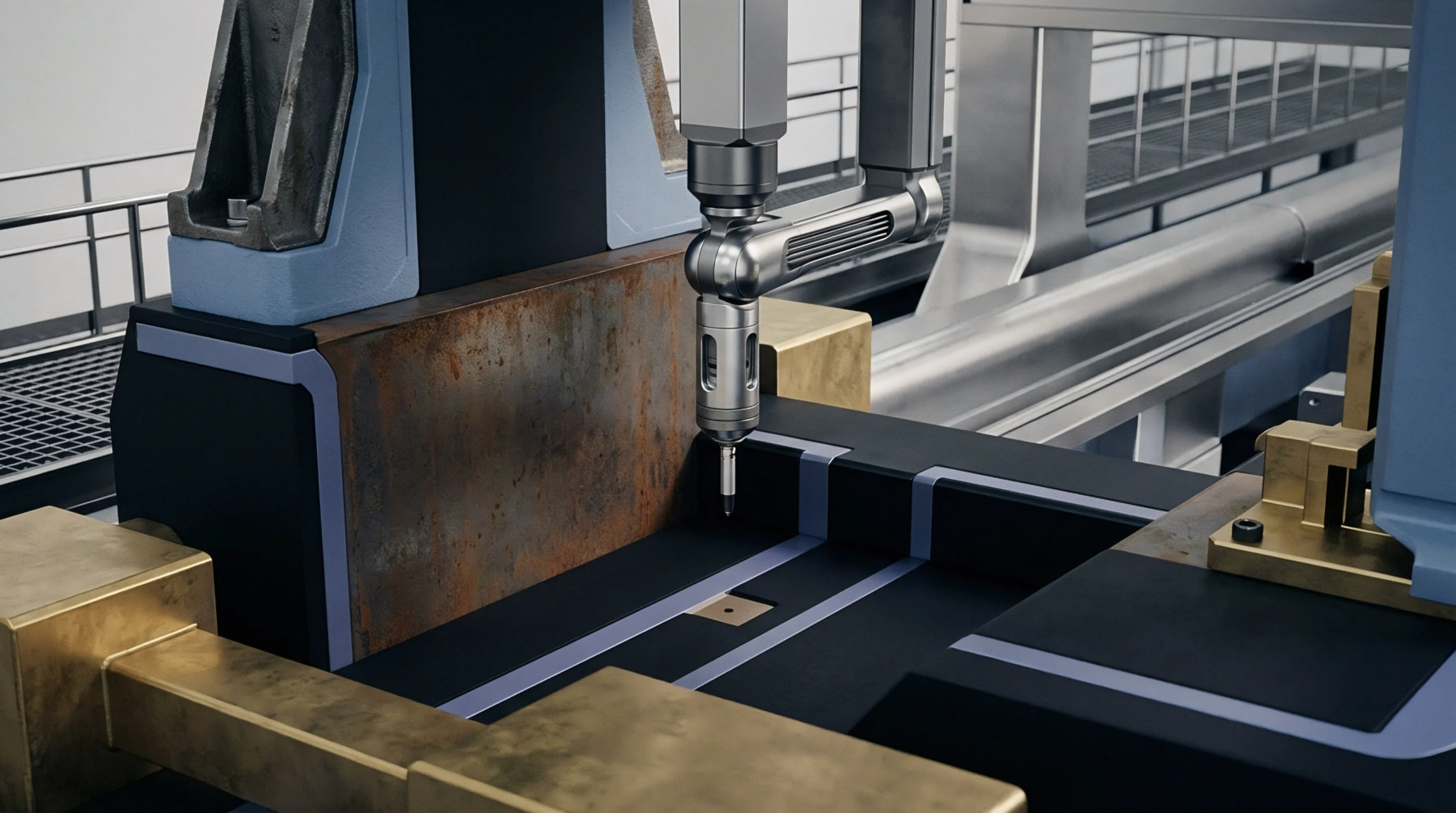
Toolmaking assembly methods dividing a complex mould or waveguide block into two or more precision mating metal sections enable internal CNC micro-milling, EDM, and mirror polishing of enclosed channels. Utilizing split-block construction allows mouldmakers to machine complex runner systems, micro-fluidic features, and high-frequency millimetre-wave cavities that are impossible to produce in monolithic metal blocks. Mating faces are precision ground and dowelled together to form seamless internal geometry when clamped under high force.
High precision prevents resin flash along joint lines.
Cavity Machining
Direct cutter access to internal cavity features allows high-speed diamond milling of complex optical geometries. Selecting split-block construction eliminates the need for deep narrow-slot sinker EDM processes in tough tool steels. Polishing technicians polish open cavity halves before final block assembly.
Open access yields superior micro-inch surface finishes.
Alignment Pin
Hardened dowel pins press into precision reamed holes to prevent lateral movement between mating block sections. Maintaining strict alignment in split-block construction prevents steps across cavity split lines that leave cosmetic witness marks on moulded plastic parts. Sub-micron dowel tolerances maintain joint registration through thousands of clamping cycles.
Precise registration stops part mismatch defects.
Coolant Channel
Milled surface grooves on interior block faces form complex conformal cooling circuits when mating blocks clamp together. Designing split-block construction around internal cooling lines maximizes heat extraction efficiency near thick section part walls. O-ring seals placed in milled grooves prevent coolant leaks under high supply pressures.
Uniform cooling reduces cycle times and warp.